As an Amazon Associate, we earn from qualifying purchases. Some links on this site are affiliate links at no extra cost to you. Our recommendations are based on thorough research and editorial judgment.


How Lamp Shade Opacity Changes Room Brightness

Lampshade opacity markedly influences room brightness, as it determines how light diffuses throughout a space. Opaque shades, like those made from ceramic, limit light passage and create focused illumination, making them perfect for work areas. In contrast, translucent options, such as frosted glass or lighter fabrics, allow varying levels of brightness, enhancing the atmosphere. Designers emphasize selecting the right shade type for each environment, creating spaces that balance functionality and aesthetics; exploring these choices further reveals fascinating insights.
Key Takeaways
- Opaque lampshades minimize light transmission, reducing glare and creating a focused lighting environment ideal for work areas.
- Semi-opaque shades diffuse light gently, generating a warm glow perfect for casual living spaces.
- Transparent lampshades maximize brightness by allowing most light to pass through, suitable for task-oriented settings.
- The material of lampshades influences how light is filtered; heavier materials produce softer illumination while lighter ones allow more brightness.
- Shade color also affects opacity, which alters overall room brightness and ambiance.
Understanding the Importance of Lampshade Opacity
Why does the opacity of a lampshade matter so much in interior design? The choice of opacity plays a pivotal role in shaping a room’s atmosphere. Opaque lamp shades, crafted from solid materials like ceramic, minimize light transmission, directing brightness strategically and reducing glare. In contrast, semi-opaque shades made from fabrics or frosted glass allow for a gentle diffusion, generating a soothing ambient light—ideal for relaxation spaces. Transparent options, such as clear glass, maximize illumination, perfect for task-oriented environments where clarity is key. Designers like Jonathan Adler advocate selecting shades based on desired brightness levels, as the right opacity can enhance a room’s functionality and mood, creating cozy corners or bright workstations. Careful consideration of materials is essential. Additionally, energy-efficient lighting choices, such as LED lights, can further impact the overall brightness and ambience, making the selection of both lampshades and bulbs critical for achieving the desired effect in any space.
Impact of Opaque Shades on Light Distribution

Although opaque lamp shades might seem simple at first glance, their impact on light distribution is profound, transforming how spaces are perceived and utilized. These shades notably concentrate illumination, directing light outward through openings while minimizing overall diffusion. This characteristic makes opaque shades ideal for focused task lighting, especially in work areas or reading nooks where concentrated brightness enhances visibility and productivity. Furthermore, they effectively reduce glare, fostering a comfortable viewing experience in social or professional settings. The directionality of light emitted from opaque shades allows for a harmonious blend of ambient and task lighting, creating a cozy atmosphere that highlights specific areas while keeping others dimmer. Consequently, their strategic use can lead to improved energy efficiency with lower wattage bulbs effectively illuminating tasks. Additionally, using opaque shades in a reading nook can enhance the overall comfort and aesthetic, making it the perfect spot for relaxation and enjoyment.
Recommended Products

【Dimensions】D:10in x H:4.72in. The Opening of the white Lamp Shades is 1.65 Inches (43.68mm) in Diameter. Designed for standard E26 socket with fixing ring
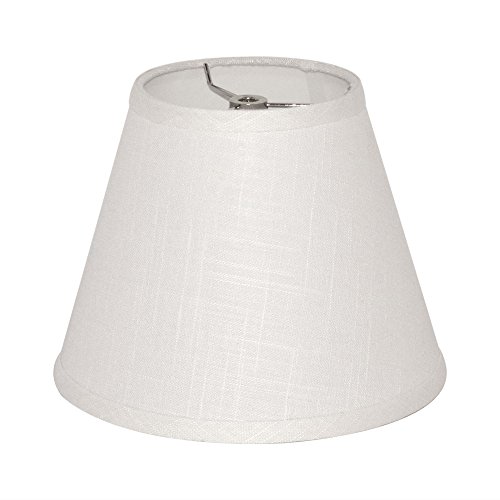
Note: This is a Spider mode shade, Your lamp must have a harp or bulb clamp adapter to assemble the lampshade. Please make sure it is clear before purchase, otherwise it will not be assembled.DEMENSION LAMPSHADE:5 inch top diameter,9 inch bottom diameter,7 inch tall; 0.43 inch screw thread diameter

Lamp Shade Dimensions:This white lamp shade features a compact empire silhouette (6" Top x 10" Bottom x 7" High). Designed specifically as lamp shades for table lamps, its space-saving shape focuses light downward, ideal for bedside or desk use. Fits most small floor lamps too.
Benefits of Translucent and Transparent Shades

When examining the benefits of translucent and transparent lamp shades, one quickly recognizes their ability to transform a room’s ambiance through thoughtful light management. Translucent shades provide soft light diffusion, creating a warm and inviting atmosphere that minimizes harsh glare, while transparent shades optimize brightness by allowing the full passage of light, ideal for workspaces. The choice of materials markedly affects light; for instance, frosted glass can balance brightness with comfort, producing a gentle glow. Furthermore, both translucent and transparent options enhance design aesthetics, introducing visual interest and texture. They adeptly optimize natural and artificial light sources, making spaces feel bright yet cozy, much like a perfectly brewed cup of coffee—inviting and energizing without overwhelming the senses. Additionally, options such as energy-efficient designs can further complement light management while saving power and enhancing room functionality.
Recommended Products
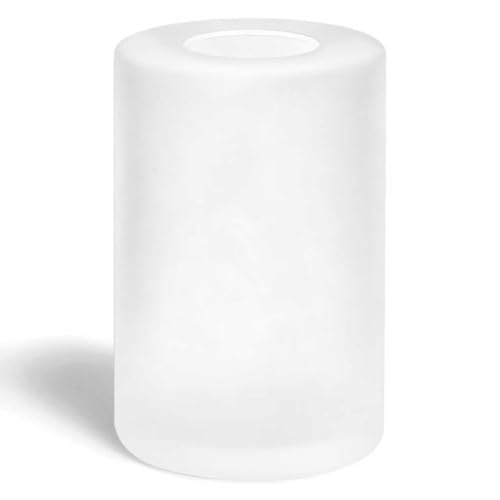
Glass Lamp Shade: High-quality frosted glass lamp shade replacement designed to fit various lamp styles and fixtures.

【Shade Dimension】Height: 5.5inch , top diameter: 3.94 inch , bottom diameter: 1.57 inch. Small size suits most Onewish table lamps, floor lamps, wall lamps and ceiling lamps. Please check the shade size carefully to make sure these replacement lamp shades are suitable for your light fixtures before purchasing

【Cone Glass Shade Size】 Height:5.5inch/14cm,Diameter:4.72inch/12cm,Top fitter:1.65inch/4.2cm. The cone frosted glass shades are fit for most light fixtures. Tips: before buying, please ensure the frosted glass lamp shade replacement opening top fitter is the right size for your light fixtures. Or you could contact us to confirm it
Choosing the Right Opacity for Different Spaces
How does one navigate the spectrum of lamp shade opacity to enhance the functionality and mood of a space? Choosing the right shade is vital for achieving the desired ambiance. Opaque shades, for example, minimize glare and are ideal for focused areas like reading nooks or workspaces, ensuring ample light diffusion without distraction. Semi-opaque shades soften light, creating a warm glow perfect for casual living spaces. In contrast, transparent shades maximize light exposure, essential for tasks requiring brightness. Additionally, lighter shades can make compact spaces feel larger and airier, while darker or opaque options can manage excessive brightness in larger rooms, promoting a cozy atmosphere and inviting warmth, thereby striking a balance between aesthetics and practicality. Incorporating dimmable lighting options can further enhance the versatility of a space, offering adjustable brightness tailored to various activities and moods.
Recommended Products
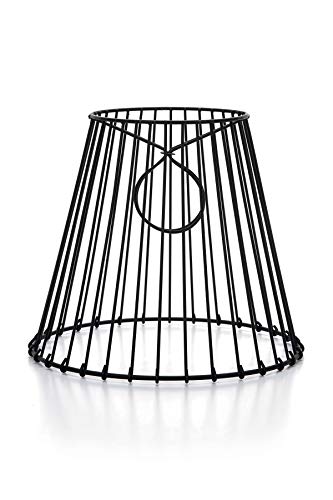
CLIP-ON LAMPSHADE – The Cleveland Vintage Clip-On Metal Lampshade has a traditional style that is the perfect addition to any home décor.
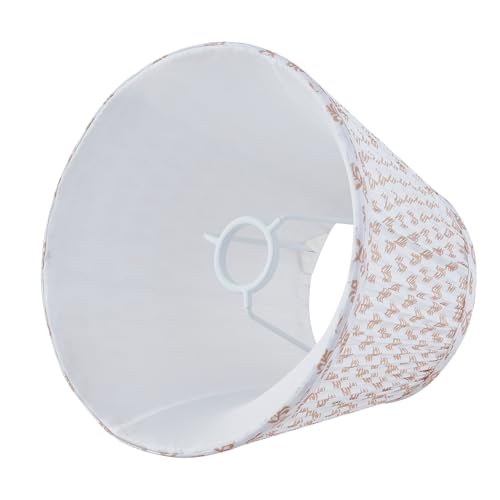
【Lampshade Dimension】5" Top x 9" Bottom x 7" Slant Height , Material: pleated natural fabric.The center threaded Uno fitter diameter: 1 1/4" inch. Small size suits many table lamps,uno lamp socket. liquor bottle lamp kit and floor lamps,Please check the uno lamp shade size carefully to make sure it is suitable for your light fixtures before purchasing.Package includes: 1 x Uno Lamp Shade.

DIMENSIONS - 5" Top x 8" Bottom x 7" Slant Height [Please measure your current shade prior to ordering.] Drop is 1". Slant height is measured from the bottom of the shade angled up to the top of the shade, not the distance from bottom to fitter.
Influence of Material on Lampshade Opacity
Understanding the interplay between lampshade material and opacity is fundamental in crafting the desired lighting for a space. Different materials greatly influence how light is filtered; for example, solid materials like ceramic offer minimal passage, resulting in lower opacity. Conversely, fabric and frosted glass shades allow varied light diffusion, with textured fabrics creating a softer, ambient glow due to their weave tightness. Clear glass lampshades maximize brightness, ideal for work areas, while opaque materials, such as metal, focus light effectively for task-specific needs. An emerging favorite, acrylic balances characteristics of glass and fabric, providing substantial light diffusion while being weather-resistant, hence suitable for both indoor and outdoor settings, making it a versatile choice for modern designers. Additionally, non-glare LED lights provide enhanced eye comfort, playing a significant role in the effectiveness of the lampshade material used.
How Color Affects Light With Different Opacities
Light’s interaction with color and opacity creates a mesmerizing dynamic that profoundly shapes the ambiance of a room. Opacity levels in lampshades profoundly affect light intensity; opaque materials limit passage, promoting intimacy. In contrast, light-filtering shades, fashioned from semi-opaque materials, diffuse light for softer illumination, while transparent shades maximize brightness, ideal for workspaces. The colors of these shades notably influence light perception: lighter hues enhance brightness by reflecting more light, whereas darker colors absorb it, fostering a warm, cozy atmosphere. For instance, a white fabric shade diffuses white light evenly, unlike a colored glass shade that alters emitted light. Understanding these elements enables designers to optimize room environments, merging color, materials, and opacity artfully for desired effects. The choice of lighting features can significantly impact the overall atmosphere, enhancing the effectiveness of these design principles.
Balancing Brightness and Ambiance in Room Design
While the interplay between brightness and ambiance is essential in room design, striking the right balance can transform a space from merely functional to inviting and aesthetically pleasing. A well-chosen lamp shade plays a vital role in meeting diverse lighting needs; for instance, light-filtering shades crafted from semi-opaque materials offer soft ambient lighting, ensuring comfort without sacrificing necessary illumination. In contrast, clear or transparent shades are perfect for workspaces, maximizing brightness for clarity and visibility. By thoughtfully layering different shade opacities, designers can achieve dynamism, creating versatile environments that cater to both relaxation and productivity. Consequently, the right balance between brightness and ambiance can elevate a room’s atmosphere, promoting both functionality and style. Additionally, utilizing energy-efficient designs not only enhances aesthetic appeal but also contributes to lower electricity costs over time.
Practical Tips for Selecting Lamp Shades
Selecting lamp shades requires careful consideration of various factors, as the right choice can greatly influence both the aesthetics and functionality of a room. Understanding how different materials affect light is essential; for example, opaque ceramics block most light, reducing glare, while fabrics provide variable diffusion depending on thickness and weave. Translucent shades create a warm, ambient glow, allowing light to pass through evenly. For dedicated task lighting, opaque or semi-opaque shades are perfect, directing focused light downwards. Additionally, lighter materials, like frosted glass, minimize shadows, while darker shades absorb light, creating a cozier atmosphere. Consequently, evaluating the desired lighting effect is important in selecting the perfect shade to enhance your overall room ambiance. Incorporating adjustable shelf units can also improve both storage and organization in your living space, further enhancing its functionality.
Recommended Products

🌿 Handcrafted Ceramic Base – Smooth, rounded design with a soft matte finish adds an organic touch to modern boho or Japandi interiors

❤️C7 Red Replacement Light Bulbs: 25 Pack C7 Christmas red replacement light bulbs, 5 Watt for each bulb, 120 Volts power, C7/E12 candelabra Base bulbs are 2.25" tall by 1" wide. Use life is long as 1500 hours, no need to worry about easy damage

7" across the top x 17" across the bottom x 11 1/2" on the slant x 11" high.
Case Studies: Real-World Applications of Opacity
The thoughtful application of lamp shade opacity in various settings can dramatically transform the atmosphere and functionality of a space. For instance, in a living room, an opaque ceramic shade effectively reduced brightness, creating a cozy environment perfect for relaxation. Conversely, an office experiment showcased a semi-opaque fabric shade that improved light diffusion, alleviating glare and enhancing productivity. In dining areas, switching to frosted glass shades softened the harsh luminosity, fostering an inviting ambiance for gatherings. Additionally, bedrooms benefited from light-filtering fabric shades, promoting tranquility. Ultimately, in gallery spaces, varying opacity in lampshades emphasized artwork, controlling light intensity while enriching the overall look of the exhibition. These cases exemplify how materials affect light diffusion and the importance of choosing the right lampshade options. Moreover, selecting lamps with adjustable brightness can further enhance the adaptability of light to suit different activities across these settings.
Exploring Various Lampshade Styles and Their Effects
Choosing the right lampshade style can greatly influence both the functionality and ambiance of a room. Opaque lampshades, crafted from solid materials like ceramic, effectively minimize glare while directing light downward, ideal for work areas. In contrast, semi-opaque shades made from fabrics or frosted glass provide a gentle diffusion of light, creating a warm, inviting atmosphere in living spaces. Clear lampshades maximize brightness by allowing most light to pass through, making them particularly beneficial in spaces that require strong illumination. Additionally, drum shades, known for their cylindrical form and semi-opaque materials, distribute light evenly, offering versatile lighting solutions. The color of a shade also affects its opacity, with lighter fabrics allowing more light, thereby influencing the overall brightness of a room. Understanding the energy-efficient designs can enhance the lighting experience while promoting cost savings in your home.
Recommended Products

Lamp Shade Dimension: Top diameter:10'', bottom diameter:10'', height:13'', screw thread diameter: 0.43''. Large size suits most table lamps and floor lamps, wall lamps with lamp harb,Please check the shade size carefully to make sure they are suitable for your light fixtures before purchasing

Lampshade Dimensions & Packaging: With a top diameter of 11 inches, a bottom diameter of 11 inches, and a height of 12 inches, this lampshade is designed to fit a variety of lighting fixtures. The screw thread has a diameter of 1.65 inches, and we include three adapters to ensure compatibility with different lighting setups. Detailed views of the adapters can be found in the product images. This generously sized lampshade offers versatility, easily complementing table lamps, floor lamps, pendant light, and more. Add a unique touch of charm to your home lighting with this elegant addition.

Shade Color & Material: Wrinkled Paper in Parchment | Fitter Color & Type: Brass, Spider fitter
Personalizing Light Spaces With Shade Selections
While many may overlook the significance of lampshades in interior design, savvy decorators understand that shade selections serve as powerful tools for personalizing light spaces, effectively blending functionality with aesthetics. The choice of shade opacity impacts how light shines within a room, with opaque options limiting brightness and translucent shades softening harsh illumination to foster a cozy atmosphere. Designers often utilize common materials, such as frosted glass or heavier fabrics, to achieve varying levels of light diffusion. This allows for personalized control over both task lighting and ambient settings, thereby creating tailored experiences. Experimenting with different lampshade options not only enhances visual appeal but also aligns with unique style preferences, proving that thoughtful selections can transform any space into a harmonious sanctuary.
Frequently Asked Questions
Do Lamp Shades Affect Light Brightness?
Lamp shades greatly affect light brightness through various materials and colors. The choice of style influences light diffusion, while bulb types further determine the overall illumination in coordination with room decor elements, enhancing the ambiance.
What Is the Rule for Lampshades?
Like a painter’s palette, lamp shade colors must harmonize with light bulb types, room decor, and design trends, ensuring functionality balance while creating mood lighting that complements the overall ambiance of the space.
What Kind of Light Makes a Room Brighter?
Natural light enhances brightness, while artificial lighting’s effectiveness depends on bulb wattage, color temperature, and fixture placement. Incorporating reflective surfaces can further amplify illumination, creating a brighter, more inviting environment in any space.
Are Lampshades Transparent Translucent or Opaque?
Lampshades vary in opacity—transparent, translucent, and opaque—each influencing light diffusion effects and decorative style. Material choice, color temperature, and lamp shade design greatly impact ambiance, alongside essential bulb compatibility considerations for ideal illumination.