As an Amazon Associate, we earn from qualifying purchases. Some links on this site are affiliate links at no extra cost to you. Our recommendations are based on thorough research and editorial judgment.


How Accent Lighting Highlights Architectural Features

Accent lighting enhances architectural features by employing focused illumination to reveal textures and shapes, allowing for a dynamic visual experience. For example, spotlights can highlight moldings, while track lighting provides artistic focus on paintings, creating depth and interest in the environment. High-quality LED fixtures provide energy efficiency, and the use of varied color temperatures can further elevate the space, inviting admiration. Those curious about designing with these techniques will find more insights into effective applications ahead.
Key Takeaways
- Accent lighting creates contrast by illuminating architectural features with a brightness ratio three times greater than ambient light, enhancing visibility.
- Techniques like spotlights and uplights emphasize textured walls or ceilings, highlighting their height and unique details.
- Recessed downlights and picture lights direct focus on artwork and architectural elements, enriching the visual experience.
- Adjustable fixtures in track lighting allow for dynamic presentations, targeting specific features to captivate attention.
- The strategic use of color temperatures enhances the atmosphere, making architectural designs appear more inviting and elegant.
Understanding Accent Lighting
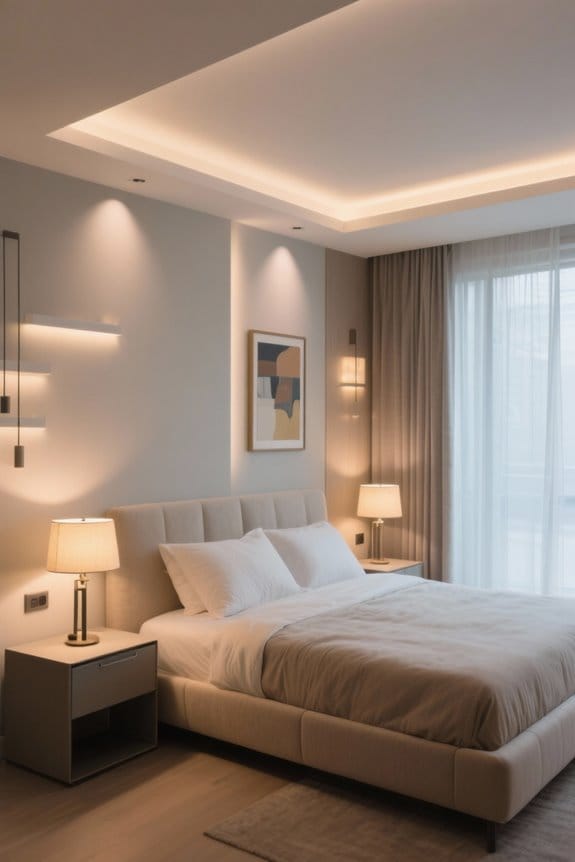
Although many might consider lighting a mere backdrop to interior design, accent lighting plays a pivotal role in highlighting architectural features and enhancing a space’s overall aesthetic. Accent lighting, characterized by its focused illumination, typically operates with a brightness ratio three times greater than ambient light, creating striking contrasts. Designers often employ various lighting techniques, utilizing fixtures such as spotlights, track lighting, and sconces to emphasize elements like artwork and textured walls. By adding layers of light, accent lighting not only fosters visual interest but also improves the overall hierarchy of a space. When strategically implemented, it enhances the appeal and perceived value of properties, elevating interiors into engaging environments while commanding higher rental premiums for their enthralling designs. Additionally, incorporating industrial wall sconces can further enrich the lighting dynamics and aesthetic appeal of a room.
The Importance of Accent Lighting in Architecture

Accent lighting stands as a crucial component within architectural design, serving to accentuate and enrich the unique attributes of a space. Operating at an intensity three times brighter than ambient light, it creates essential contrast, emphasizing architectural features that might otherwise go unnoticed. Techniques such as uplighting and downlighting enhance textures and shapes, crafting a visual hierarchy that adds depth to environments. Furthermore, strategic accent lighting placement not only elevates aesthetic appeal but also guarantees safety by illuminating critical areas for navigation. By integrating diverse accent lighting types, such as spotlights and track lights, designers can create dynamic effects that draw attention to focal points, noticeably enhancing the ambiance and perceived value of both commercial and residential properties.
Types of Accent Lighting Fixtures

In architectural design, various types of accent lighting fixtures play significant roles in highlighting specific features and enhancing the overall ambiance of a space. Track lighting, for example, consists of adjustable fixtures that lend flexibility, allowing one to create dynamic presentations of artwork and architectural details. Pendant lights, while providing a soothing glow, can be placed strategically above dining tables or cozy reading nooks to draw attention to these areas. Recessed downlights, on the other hand, guarantee focused illumination on artwork, while uplights serve to emphasize height and texture in walls or ceilings. Each of these accent lighting fixtures contributes uniquely to enhancing aesthetics and functionality, creating an inviting atmosphere in any environment. Additionally, incorporating natural sunrise simulations can further enhance the ambiance during morning hours, promoting a gentle wake-up experience.
Recommended Products

Neat Design: The track lighting is made of sturdy metal, with flexible arms and adjustable track heads, with smooth line structure and durability. Its modern and neat design can bring extremely comfortable lighting effects to your home

【Flexible Adjustable Ceiling Light】Two foldable lamp arms make it easy to adjust the semi flush ceiling light fixture to different shapes. The 4 track heads can be rotate 350° horizontally and 180°vertically, allow you to focus the light fixtures in different directions to get perfect accent lighting even large room or small.

3 Color Selectable➤The led track light head features three color modes (3000k warm white, 4000k neutral white, and 5000k cool white) that can be selected by adjusting the slider on the back
Spotlights and Their Impact
Spotlights can considerably transform the perception of architectural spaces, serving as essential tools in the designer’s toolkit for emphasizing key features. These fixtures emit a narrow beam of intense light, making them ideal for highlighting architectural features such as columns and textured walls. With an intensity often three times brighter than ambient lighting, spotlights create dramatic contrasts that profoundly enhance visual appeal. Evidently adjustable, they allow designers to focus precisely on chosen elements, increasing flexibility within various settings. When strategically positioned, spotlights draw attention to unique features like artwork or moldings, contributing to the overall visual hierarchy of a space. This effective use of spotlights can elevate a property’s perceived value, potentially leading to higher rental premiums in commercial environments. Additionally, implementing energy-efficient lighting options can enhance both sustainability and cost-effectiveness in lighting design.
Recommended Products

3-Year Protection: Any quality-related issues with the downlights ceiling could be fixed freely within 3 years after the purchase. Our gimbal light combines exceptional craftsmanship with enduring performance, offering a beacon of sophistication in high-end lighting solutions

Durable Design: The Spotlight Fitting Crafted from heavy-duty steel with a matte white, these fixtures pass 24 hours salt spray test and are corrosion-resistant and designed for long-lasting performance in bathrooms, kitchens, and under-cabinet areas.

Durable Design: The Spotlight Fitting Crafted from heavy-duty steel with a Brushed Nickel, these fixtures pass 24 hours salt spray test and are corrosion-resistant and designed for long-lasting performance in bathrooms, kitchens, and under-cabinet areas.
Track Lighting for Artistic Focus
Track lighting is a versatile accent lighting option that allows adjustable fixtures to focus on specific architectural features, enhancing the overall aesthetic. Designers often employ a combination of spotlights and adjustable heads, creating dynamic focal points that elevate visual interest and draw attention to artwork and textures. This lighting type illuminates details, such as crown molding or intricate wall textures, typically at three times the brightness of surrounding ambient light. Available in various styles and finishes, track lighting effortlessly integrates into diverse decors, providing a polished and professional look that showcases each space’s unique charm. Incorporating narrow accent cabinets can further enhance the stylish storage and organization of the space.
Recommended Products

【Versatile lighting】: The 5-color LED track lighting heads can switch between 2700K(Soft White),3000K(Warm White),3500K(Neutral White),4000K(Cool White),5000K(Daylight),Their dimmable feature allows for an adjustable brightness of 10%-100%(Compatible with most dimmers). The beam degree is also adjustable between 15°-60°, making it ideal for creating the desired ambiance in any space.

CONSTRUCTION: Solid die-cast aluminum construction with frosted TIR lens that provides an even and bright illumination while cutting down on glare.

INDUSTRIAL: focusing on stylish industrial design, this height adjustable 6-Light Track Light is aesthetically pleasing with its cylindrical shades, matte black finish, and chic yet rugged look
Pendant Lights for Atmospheric Effects
While choosing the right lighting is essential for setting the mood in any space, pendant lights emerge as remarkable fixtures that effortlessly blend functionality with aesthetic appeal. These versatile lights create warm and inviting atmospheres when placed strategically above dining tables or kitchen islands, enhancing both usability and style. The upward and downward light distribution from pendant fixtures not only illuminates spaces but also highlights architectural features, such as vaulted ceilings, crafting a sense of height and openness. Available in a multitude of styles, these lights complement various designs, from modern to rustic. With adjustable dimmable options, pendant lights shift from bright task lighting to softer ambient lighting, making them ideal for creating atmospheric effects during evening gatherings. Additionally, adjustable height options allow for a customizable lighting experience tailored to specific room dimensions.
Recommended Products

【Adjustable Height Cord Design】The glass pendant lights come with 3 ajustable cord, Maximum Length 3.93ft (47.2inch) which can be adjusted by unscrewing the 3 tightening caps and pull the cord length to fit your ceiling height needs. You can hang the 3-light pendant lighting to the ceiling adjusting higher and lower as you need. This farmhouse light fixtures will be a great choice for decorating the corners of your home.
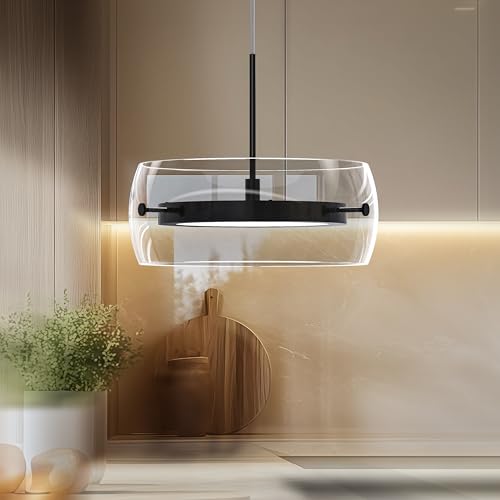
Modern and simple:With its matte black ceiling canopy, High light transmittance glass shade, this pendant light complements modern, industrial, Contemporary minimalist interiors and is ideal for kitchen islands, dining spaces and living room.

【Rustic Chandelier】 This farmhouse round chandelier features a forest and animal cutout, and is made of matte black metal, perfectly combining rustic charm with modern and vintage styles. Its simple and artistic design adds a touch of nature's beauty to any space, adding a unique artistic charm to your cottage.
Sconces to Elevate Wall Features
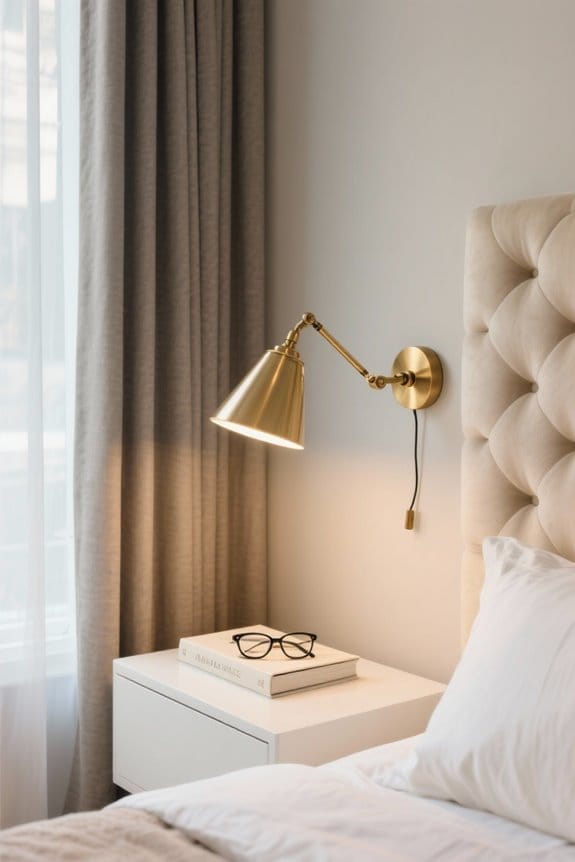
Transforming ordinary walls into striking focal points, sconces offer a remarkable way to enhance architectural features and create a warm atmosphere in any room. These wall-mounted fixtures effectively illuminate vertical surfaces, drawing attention to architectural details like textured walls and unique artwork. Available in diverse styles, such as minimalistic or ornate, sconces complement various décors, strategically highlighting focal points to enhance visual interest without overwhelming ambient light. Their focused illumination fosters a balanced interplay between shadow and highlight, making them ideal for narrow spaces like hallways or stairways. Properly placed sconces not only elevate existing architectural elements but create visual drama, emphasizing heights and intricate designs and ultimately transforming any wall into an eye-catching element of design. With options like flexible goosenecks available, sconces can provide customizable lighting direction to further enhance the architectural appeal.
Recommended Products
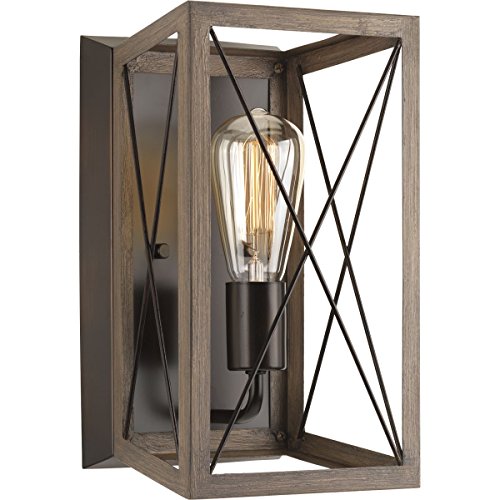
FARMHOUSE INSPIRED DESIGN: Create a cozy and comfortable home atmosphere with the rustic Briarwood Collection’s One-Light Wall Sconce ideal for any dining room, hallway, foyer, sitting room, or bedroom in farmhouse, urban industrial, coastal, or transitional settings

OUTDOOR CYLINDER WALL MOUNT DIMENSIONS: 12" High x 4.75" Wide x 7" Depth, Weight 1.65 lbs, Backplate: 5" L x 4.75" W
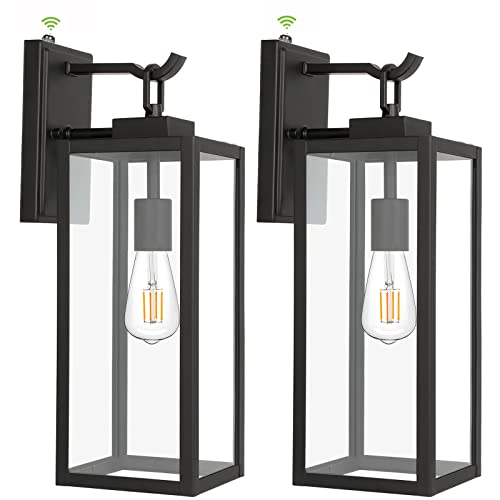
Automatic Dusk-to-Dawn Operation: Built-in photocell sensor automatically turns the light ON at dusk and OFF at dawn. Hands-free operation maximizes energy efficiency, eliminates manual switching, and ensures your home is safely illuminated every night without increasing electricity bills
Using Downlights and Uplights
Effective lighting design enhances a space, and downlights and uplights serve as essential tools for illuminating architectural features, making spaces feel more dynamic and visually stimulating. Downlights focus on directing light onto specific elements, creating a dramatic contrast that effectively highlights artwork, textured walls, or unique architectural details. With an impressive brightness ratio of three times that of ambient light, they draw attention to important features. Conversely, uplights project illumination upwards, accentuating the height and texture of columns and ceilings. This technique not only enhances spatial dynamics but also creates an inviting atmosphere. Together, downlights and uplights contribute to a layered accent lighting effect that enriches the overall aesthetic, transforming ordinary spaces into visually engaging environments. Incorporating high-density foam cushioning into seating options can further improve the ambiance by adding comfort and style to the highlighted architectural features.
Specialty Accent Lights for Unique Applications
Accent lighting extends beyond downlights and uplights, embracing a variety of specialty options that cater to unique applications in modern design. LED strips, a popular choice, can illuminate shelves and under-cabinet areas, showcasing collectibles while maintaining a clutter-free space. Picture lights, specifically designed to highlight artwork, provide necessary illumination without causing damage, making them ideal for both galleries and personal collections. Additionally, movable floor lamps can spotlight cozy reading nooks or architectural elements, offering flexible illumination. Backlighting options create a glowing effect behind sculptures or signage, enhancing depth and drama in areas like entryways. Together, these specialty accent lights uniquely enhance architectural dimensions, transforming ordinary spaces into extraordinary showcases of design. Furthermore, using energy monitoring features can help ensure that your accent lighting is efficient and cost-effective.
Designing Spaces With Effective Accent Lighting
While understanding the principles of lighting design, one can appreciate the pivotal role that well-placed accent lighting plays in elevating interior spaces. Effective accent lighting, operating at higher intensity ratios—typically three times brighter than ambient light—creates a visual hierarchy that highlights architectural elements. This approach enhances aesthetic appeal and the overall atmosphere of a room. Properly positioned accent fixtures, such as spotlights and track lighting, can emphasize textures and patterns in materials, making the space more dynamic. Additionally, integrating these accents with ambient and task lighting guarantees a cohesive design that enhances functionality. Designers often utilize these strategic lighting techniques to draw attention to unique features, thereby crafting engaging and sophisticated interiors that invite admiration. Incorporating vintage pendant lights into the design can further enhance the charm and character of the space, making it both functional and visually appealing.
Installation and Selection Considerations
Selecting and installing accent lighting requires thoughtful consideration to guarantee that it harmonizes with a space’s overall design while effectively highlighting key architectural features. Professionals often recommend hiring experts for installation due to the complexities associated with fixtures like spotlights and track lighting, which may need hard wiring. When selecting accent lights, it is essential to opt for fixtures that complement the existing decor, ensuring visual appeal. High-quality LED lights are particularly advantageous, offering energy efficiency and longevity without risking damage to artworks. Additionally, lighting provides the option for dimming capabilities, allowing adjustable intensity for various moods. Choosing bulbs with a color temperature around 3,000 Kelvins enriches ambiance and maintains the visual hierarchy established by the accent lighting. Furthermore, incorporating energy-efficient lamps with customizable brightness can enhance the overall functionality of the space.
Balancing Color Temperature for Optimal Ambiance
Achieving the right balance in color temperature is essential for accent lighting, as it guarantees that architectural features are showcased without overwhelming the overall aesthetic of a space. Warm lights, typically around 3,000 Kelvins, cast a cozy glow that enhances features like molding and woodwork, creating inviting ambiance. Conversely, cooler color temperatures, exceeding 4,000 Kelvins, highlight sleek lines and modern materials, perfect for minimalist designs. By utilizing mixed color temperatures, designers can layer ambient light to create depth, therefore allowing for intriguing interactions between varied architectural elements. Mastering these principles not only elevates the visual appeal of a space but also affects perception, making areas feel either more inviting or spacious, depending on the chosen scheme.
Frequently Asked Questions
Can Accent Lighting Be Used to Highlight Architectural Features?
Accent lighting can indeed highlight architectural features. By employing spotlight techniques with varied color temperatures and thoughtful placement strategies, it enhances ambiance creation, drawing attention to unique design elements while creating inviting spaces.
What Is the 5 7 Lighting Rule?
The 5-7 lighting rule dictates that accent lighting intensity should exceed ambient lighting by five to seven times, taking into account lighting color, design principles, and fixture placement to enhance visual contrast and focus.
What Are the Features of Accent Lighting?
When it comes to accent lighting, one must consider mood enhancement, light positioning, color temperature, and energy efficiency. These features work together to create inviting spaces that captivate and draw attention, lighting up every corner effectively.
Which Lighting Type Is Used to Highlight Artwork or Architectural Features?
Track lighting, wall sconces, pendant lights, and recessed lights serve as effective options to highlight artwork or architectural features, providing directed illumination that enhances visibility and emphasizes the unique characteristics of the displayed elements.