As an Amazon Associate, we earn from qualifying purchases. Some links on this site are affiliate links at no extra cost to you. Our recommendations are based on thorough research and editorial judgment.

How Circadian Lighting Systems Regulate Your Sleep-Wake Cycle

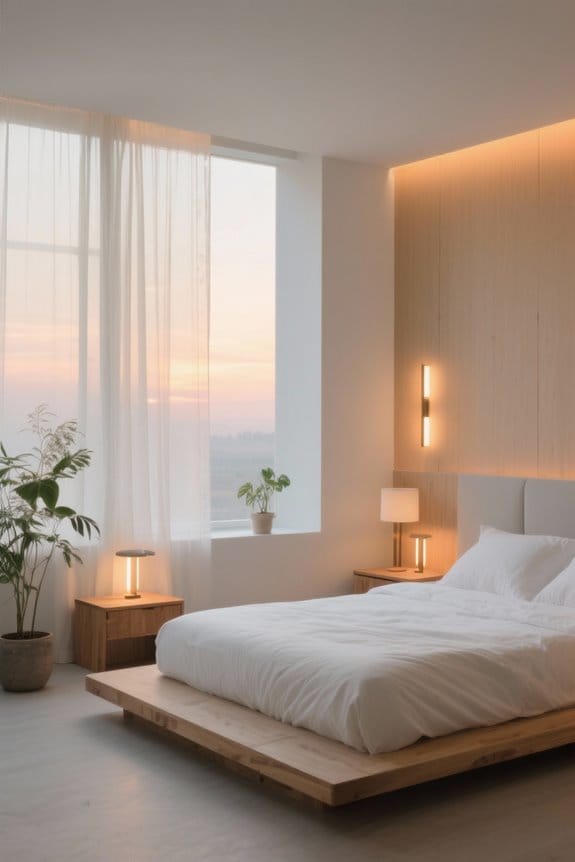
Circadian lighting systems regulate the sleep-wake cycle by mimicking natural light patterns. They provide bright, blue-enriched light during the day, enhancing alertness and productivity, while shifting to warm, dimming tones in the evening to support melatonin production. This intentional design, employing programmable LED technology, fosters improved sleep quality and overall well-being. Brands like Philips and Lutron lead with innovative products that seamlessly integrate into daily life, making healthier lighting choices easier. Discover more about their benefits ahead.
Key Takeaways
- Circadian lighting mimics the natural light/dark cycle, promoting better sleep quality and overall health.
- Morning bright light boosts alertness by advancing the sleep-wake cycle, enhancing mood and productivity.
- Evening warm tones reduce blue light exposure, preserving melatonin production for improved sleep initiation.
- Programmable LED systems can adjust light intensity and color temperature to align with individual circadian rhythms.
- Consistent timing of light exposure reinforces sleep-wake patterns, contributing to better health outcomes and well-being.
Understanding Circadian Lighting
Understanding circadian lighting requires an appreciation of how different light qualities influence human biology, especially since these systems aim to replicate the natural rhythm of sunlight. Circadian lighting is designed to vary light exposure throughout the day, aligning with circadian rhythms to enhance melatonin production during evening hours while promoting alertness during daytime. By mimicking natural light patterns, these systems improve sleep quality and contribute to overall health and well-being. Researchers demonstrate that appropriate light exposure at critical times greatly impacts mood and wellness outcomes, particularly in environments such as hospitals and offices. Designers like Philips and Lutron deploy advanced techniques to balance intensity and color temperature, ensuring that artificial light supports rather than disrupts the body’s innate sleep-wake cycle. Additionally, incorporating energy-efficient lighting options can further enhance the bedroom ambiance while promoting restful sleep.
Recommended Products

Seen In The Tank | 10,000 LUX Brightness: Experience the sun lamp that impressed the Sharks! The lamp provides the recommended 10,000 LUX light brightness for effective bright light, mimicking the pure white color of the noon-day sun (5500K) to help regulate your circadian rhythm, boost energy, and improve sleep without harmful UV rays.

Tri-Zone Independent Lighting: Switch between upper ambient ripples, middle RGBIC light, 1000lm focused task lighting, and mixed zones for movie nights, work, or parties. The app version must be 7.0.1 or above to support the firmware updates needed to activate the upper and lower sections illumination combo.

💡BLUE LIGHT-FREE BULB : Our sleep warm led light bulbs is designed to be 99.9% free of blue spectrum light, naturally boosting melatonin production for a healthier sleep-wake cycle. These led warm light bulbs supporting your circadian rhythm, enhances sleep quality & promotes relaxation, helping your child drift into a peaceful night’s sleep. These night light bulbs led lights for bedroom e26 light bulb glow provide great visibility without disrupting your sleep amber light bulbs.
The Role of Light in Circadian Rhythms

As daylight gradually influences biological processes, light exposure stands out as a primary regulator of circadian rhythms, shaping sleep and wakefulness throughout the day. The suprachiasmatic nucleus (SCN), acting as the body’s circadian pacemaker, responds considerably to light cues. Morning exposure to bright light can advance the sleep-wake cycle, promoting alertness and setting a proactive tone for the day, whereas evening light has the opposite effect, potentially delaying sleep patterns. Consistent light exposure timing is essential, as even a one-hour shift can impact melatonin production and, consequently, sleep quality. Disruptions from unnatural light exposure, such as from shift work, often lead to misaligned circadian rhythms, ultimately compromising overall health and well-being. Additionally, adjustable height options in furniture design can play a role in promoting a more ergonomically sound sleep environment, which may positively influence sleep quality.
Recommended Products

Seen In The Tank | 10,000 LUX Brightness: Experience the sun lamp that impressed the Sharks! The lamp provides the recommended 10,000 LUX light brightness for effective bright light, mimicking the pure white color of the noon-day sun (5500K) to help regulate your circadian rhythm, boost energy, and improve sleep without harmful UV rays.

Bright Light Therapy: HappyLight Lumi Plus delivers up to 10,000 Lux of UV-Free, LED, full-spectrum light for effective, safe, and natural light therapy that’s free from glares, flickering, and hotspots

Bright Light Therapy: HappyLight Luxe delivers up to 10,000 Lux of UV-Free, LED, full-spectrum light for effective, safe, and natural light therapy that’s free from glares, flickering, and hotspots
Benefits of Circadian Lighting Systems

Circadian lighting systems offer numerous benefits that greatly enhance the quality of life in various environments. By mimicking the natural light/dark cycle, these systems improve sleep quality and regulate the body’s Circadian Rhythm, fostering better sleep-wake patterns. In particular, they reduce blue light exposure in the evening, helping maintain melatonin production, which is crucial for restorative sleep. Additionally, circadian lighting promotes alertness and concentration during the day, subsequently boosting productivity in workplaces and improving patient recovery in healthcare settings. As endorsed by WELL Building Standards, the implementation of these lighting solutions considerably contributes to health and well-being, creating environments that align with human biological needs, and fostering a balance essential for optimal living. Furthermore, they can significantly enhance contemporary living spaces, making them not only functional but also aesthetically pleasing.
Recommended Products
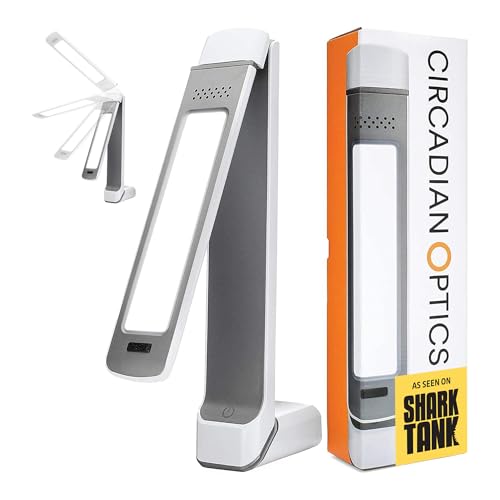
Seen In The Tank | 10,000 LUX Brightness: Experience the sun lamp that impressed the Sharks! The lamp provides the recommended 10,000 LUX light brightness for effective bright light, mimicking the pure white color of the noon-day sun (5500K) to help regulate your circadian rhythm, boost energy, and improve sleep without harmful UV rays.

Seen In The Tank | 10,000 LUX Brightness: Experience the sun lamp that impressed the Sharks! The lamp provides the recommended 10,000 LUX light brightness for effective bright light, mimicking the pure white color of the noon-day sun (5500K) to help regulate your circadian rhythm, boost energy, and improve sleep without harmful UV rays.

Implementing Circadian Lighting in Daily Life
Successfully implementing circadian lighting in daily life requires a thoughtful approach that prioritizes both the quality and timing of light exposure. By adjusting the intensity and color temperature of programmable LED lighting throughout the day, individuals can mimic natural light patterns that support healthy sleep-wake cycles. Morning light, particularly bright blue-enriched light, can noticeably enhance daytime productivity and elevate mood by advancing the body’s internal clock. Conversely, in the evening, reducing blue light and increasing warmer tones promotes melatonin production, signaling the body to wind down. Consistent use of circadian lighting across homes and workplaces can lead to improved sleep quality and significant health outcomes, reinforcing natural patterns that enhance overall well-being. Additionally, integrating lighting fixtures that feature USB ports for charging can further enhance functionality in personal and professional spaces.
Recommended Products

Circadian Rhythm Optimization – Features 2700K, 2100K, and 1400K settings to sync with your body’s natural cycles, supporting better sleep, evening relaxation, and daytime alertness. The bulbs are dimmable, energy efficient and flicker free.

Seen In The Tank | 10,000 LUX Brightness: Experience the sun lamp that impressed the Sharks! The lamp provides the recommended 10,000 LUX light brightness for effective bright light, mimicking the pure white color of the noon-day sun (5500K) to help regulate your circadian rhythm, boost energy, and improve sleep without harmful UV rays.

Seen In The Tank | 10,000 LUX Brightness: Experience the sun lamp that impressed the Sharks! The lamp provides the recommended 10,000 LUX light brightness for effective bright light, mimicking the pure white color of the noon-day sun (5500K) to help regulate your circadian rhythm, boost energy, and improve sleep without harmful UV rays.
The Future of Circadian Lighting Technology
How will the evolution of circadian lighting technology shape our everyday environments in the future? The advancement of programmable LED lighting systems, designed to adjust color temperature and intensity throughout the day, will considerably enhance individual health and energy expenditure. As researchers explore deeper into the non-visual effects of light on melatonin production, personalized lighting solutions tailored to mitigate the ramifications of external stimuli are becoming increasingly feasible. Implementation in corporate and educational environments is anticipated to boost productivity and alertness, while healthcare facilities, like the Saint Barnabas Medical Center, showcase benefits such as improved patient recovery. Additionally, adherence to standards like the WELL Building Standard will guarantee ample light exposure, fostering ideal circadian rhythms and healthier living spaces for all. This evolution parallels the capabilities of smart ceiling fans that not only regulate airflow but also integrate advanced lighting systems for holistic environmental control.
Recommended Products

✔ INNOVATIVE DUAL MODE: This Circadian LED light bulbs offers the ability to control and personalize the spectrum of the lighting to deliver optimal daytime productivity and natural speep enhancement in one light
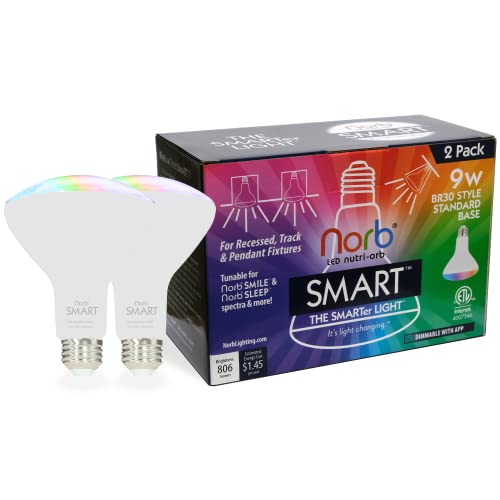
Smart Color-Changing LED Bulb – Transform your space with a multicolor smart bulb featuring tunable white light and dynamic color options for any mood or occasion.
Frequently Asked Questions
Can Circadian Lighting Systems Help With Shift Work Sleep Disorders?
Research indicates that 30% of shift workers experience sleep disorders. Circadian lighting systems improve sleep quality by aligning light exposure with biological rhythms, enhancing melatonin production and reducing fatigue, thereby benefiting workplace productivity and employee wellness.
Are There Specific Color Temperatures for Different Times of Day?
Specific color temperatures should align with morning routines and evening relaxation; cooler blue light enhances productivity, while warmer hues promote calm. Daylight simulation in office lighting maximizes health benefits and aligns with color psychology principles.
How Do Circadian Lighting Systems Compare to Regular Lighting?
Circadian lighting systems enhance energy efficiency by dynamically adjusting the light spectrum, promoting mood enhancement and health benefits. They improve visual comfort, sleep quality, and productivity levels in indoor environments while integrating natural simulation and appealing design aesthetics.
Can Children Benefit From Circadian Lighting Systems?
Research suggests that children can benefit from circadian lighting systems, enhancing child development, sleep quality, and mood regulation. Proper light exposure aligns with their natural rhythms, positively impacting academic performance, behavioral patterns, and visual acuity.
Do Circadian Lighting Systems Require Professional Installation?
Circadian lighting systems do not always require professional installation. Installation options vary, with user-friendly designs allowing for DIY systems. However, some setups may need professional expertise due to complexity, wiring needs, or home modifications for peak performance.