As an Amazon Associate, we earn from qualifying purchases. Some links on this site are affiliate links at no extra cost to you. Our recommendations are based on thorough research and editorial judgment.

The Evolution of Modern Sconce Designs

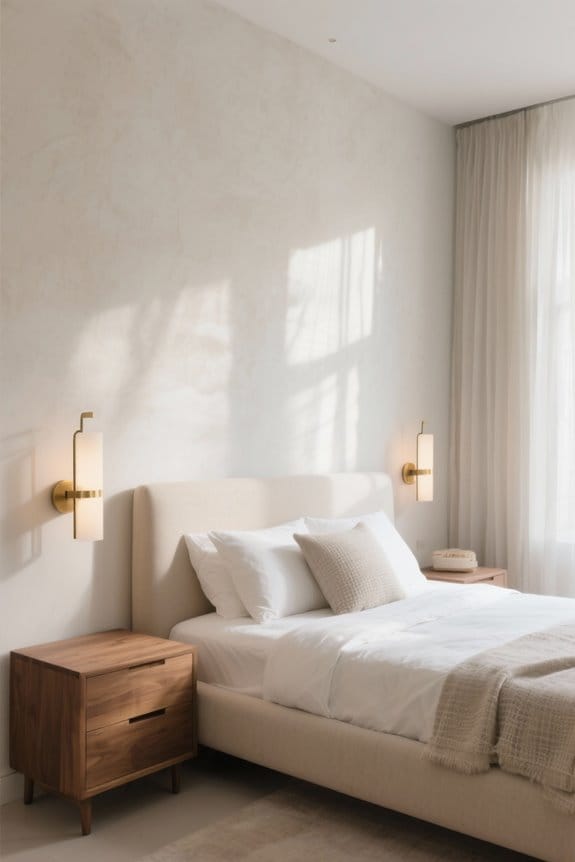
The evolution of modern sconce designs illustrates a journey from ancient light sources to sophisticated décor elements. Originally, sconces illuminated spaces with candles and torches, but they transformed through the ages, especially during the Renaissance and 19th century when electric lighting emerged. Today, brands like Restoration Hardware and Visual Comfort showcase sleek LED sconces that blend functionality with art, employing durable materials for longevity. This progression reflects a versatility in design, enhancing various interior styles, and hints at exciting future innovations yet to come.
Key Takeaways
- Sconce designs transitioned from ancient candles to modern electric fixtures, emphasizing both functionality and artistic expression throughout history.
- The incorporation of LED technology in sconces significantly enhances energy efficiency and reduces electricity costs compared to traditional bulbs.
- Modern sconces feature minimalist aesthetics, focusing on clean lines and customizable finishes to suit various interior styles.
- Smart sconces with mobile and voice control offer innovative lighting solutions, enhancing convenience and adaptability in contemporary settings.
- Future trends emphasize dynamic lighting options, including smart LED strips that sync with music and color for enhanced ambiance.
Historical Overview of Sconce Lighting
The evolution of sconce lighting offers a fascinating glimpse into the intersection of function and artistry throughout history. Beginning in ancient civilizations, sconces served as essential light sources and decorative elements, holding torches or candles. In medieval times, wrought iron sconces emerged, featuring ornate designs that not only showcased skilled craftsmanship but also signified social status. The Renaissance era introduced intricate carvings and metallic finishes, enhancing both functionality and visual appeal. Technological advancements in the 19th century ushered in electric lighting, enabling diverse artistic interpretations. Today, sconce lighting has shifted toward minimalist contemporary designs, harmonizing with modern interiors while embracing simplicity. This evolution reflects shifting aesthetic values and the constant innovation of materials, maintaining a balance between beauty and practicality. Furthermore, many contemporary designs incorporate features such as energy-efficient LED bulbs, which enhance sustainability and reduce electricity costs.
The Transition From Functional to Decorative Lighting

While sconces were originally designed purely for illumination, the evolution of these fixtures has transformed them into significant decorative components within interior design. As designers embraced modern sconces in the 20th century, they began incorporating clean lines and artistic features that elevated functional lighting into works of art. The advent of LED lights further revolutionized sconces, making them energy-efficient while enhancing ambient illumination. Today, sconces serve not only as light sources but also as essential design elements, contributing to the overall aesthetic of a space. Brands like Visual Comfort and Restoration Hardware have set trends, showcasing exquisite materials that highlight the balance between functionality and beauty. Consequently, sconces exemplify the successful blend of practical and decorative lighting. Furthermore, their versatility allows them to complement vintage pendant lights in creating cohesive interior designs.
Key Features of Modern Sconce Designs

Modern sconce designs exemplify the intersection of innovation and artistry, showcasing a blend of practicality and aesthetic appeal that caters to diverse interior environments. Key features include energy efficiency through the incorporation of LED technology, which notably reduces electricity consumption. These modern sconces often embody minimalist designs, characterized by clean lines and geometric silhouettes that prioritize form. Additionally, they offer customizable options, allowing consumers to select finishes and sizes that align with their individual decor. Many fixtures are categorized as smart sconces, equipped with features such as dimming and occupancy sensing. Constructed from durable materials like metal and glass, these wall-mounted designs not only provide ambient and accent lighting but also underscore an eco-conscious approach to modern living. Furthermore, the use of energy-efficient LED options contributes to significant savings on electricity costs, appealing to environmentally conscious consumers.
Recommended Products
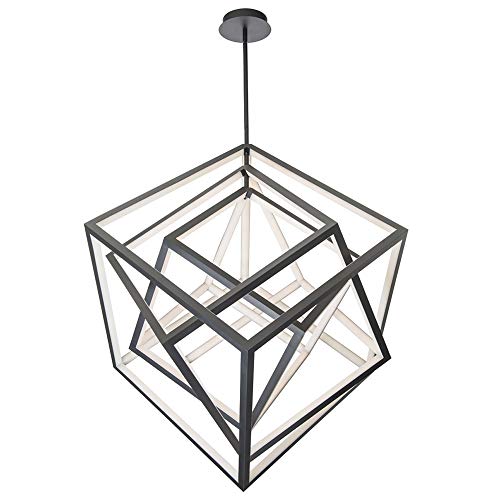
Cubes rotate independently for creative display options. Stack all three cubes in the same direction for a stunning 3D cubed effect, or adjust independently for your own creative design.

Sonneman Stix Contemporary Chandelier: Elevate your decor with the Sonneman Modern Lighting Stix 6-Arm LED Hanging Chandelier, featuring a contemporary design that adds a touch of sophistication to your kitchen island, dining room, or living room.

Made of durable stainless steel and radiant crystal, ensuring longevity and luxurious appearance, enhancing any decoration.
Technological Innovations in Sconce Lighting
Enhancements in technology have markedly transformed sconce lighting, elevating not only functionality but also the user experience within residential and commercial spaces. Modern designs incorporate LED technology, achieving up to 80% more energy efficiency than traditional bulbs, making them a preferred choice for eco-conscious consumers. Smart sconces, controllable via mobile apps and voice assistants, offer customizable brightness and color temperatures, catering to various needs. The integration of dimming capabilities allows users to create desired ambient lighting, while occupancy sensors enhance convenience and energy management. Additionally, advancements in materials, including metal and sustainable options, guarantee durability and adaptability, positioning these modern sconces as prime lighting solutions that marry aesthetic appeal with innovation, leading the way in contemporary design. Furthermore, the incorporation of integrated charging options demonstrates an ongoing trend towards multifunctional designs in lighting products.
The Role of LED Technology in Energy Efficiency
LED technology has emerged as a groundbreaking force in the domain of energy efficiency, radically transforming the landscape of lighting design. By markedly reducing energy consumption—up to 80% less than traditional incandescent bulbs—it positions itself as an eco-friendly choice for modern sconces. LED bulbs boast an impressive lifespan of 25,000 to 50,000 hours, decreasing replacement frequency. This longevity, combined with advanced designs that do not compromise light output, leads to considerable cost savings on energy bills. In addition, modern sconces often feature smart functions like dimming capabilities and customizable color temperatures, which enhance user control. Overall, the integration of LED technology in sconce design has not only led to practical benefits but also allowed for more aesthetically pleasing and efficient illumination in contemporary interiors. Additionally, the rise of USB powered lighting options has further expanded the possibilities for innovative and flexible lighting solutions.
Recommended Products
Made of durable stainless steel and radiant crystal, ensuring longevity and luxurious appearance, enhancing any decoration.


Eight Light Island Pendant from the Durham collection
Aesthetic Trends: Minimalism and Clean Lines
Emphasizing clean lines and geometric shapes, current sconce designs reflect a broader architectural trend towards minimalism, where less truly becomes more. This emphasis on minimalism enhances spatial integrity by employing unobtrusive designs that smoothly integrate into various interior styles. Modern sconce designs frequently showcase sleek metal finishes like brushed nickel and matte black, which convey both sophistication and simplicity. In addition, many designs feature energy-efficient LED technology, allowing for slimmer profiles that do not compromise illumination quality. This remarkable blend of form and function serves to elevate room aesthetics while enhancing the overall ambiance with purposeful lighting solutions. Designers are creating visually interesting pieces that fulfill practical needs without overwhelming the surrounding space, making every sconce an artful statement in contemporary aesthetics. The incorporation of energy-efficient LED technology not only reduces electricity consumption but also extends the lifespan of lighting fixtures, ensuring that minimalist designs remain sustainable.
Customization and Versatility in Design
As homeowners increasingly seek to personalize their living spaces, sconce designs have evolved to reflect a wide range of customization options and versatile applications. Modern sconces now come in various styles, finishes, and sizes, allowing individuals to tailor their lighting design to fit personal aesthetics. Features such as adjustable angles and brightness levels enhance functionality, offering flexibility suited to various environments. Furthermore, many sconces incorporate smart technology, enabling mobile app or voice control for effortless adjustments. The trend toward eco-friendly materials not only supports sustainable lighting solutions but also aligns with consumers’ values. Additionally, modern shelving units have similarly embraced versatility in design, providing options for both functionality and aesthetic enhancement. Ultimately, these customizable features guarantee that modern sconces provide personalized lighting that enhances both functionality and style, appealing to diverse tastes in design.
Strategic Placement for Enhanced Functionality
Strategic placement enhances functionality, especially in open-concept layouts, by defining areas without physical barriers. Ideally, sconces should be installed approximately 60 inches from the floor to maximize illumination while reducing glare. In living areas, positioning sconces to highlight architectural features or artwork not only elevates the overall aesthetics but also adds depth to the design. Additionally, spacing sconces evenly in hallways creates uniform lighting, promoting safety and visual charm. Incorporating dimmable sconces further enhances versatility, allowing light levels to be adjusted for different moods and activities. Ultimately, thoughtful placement of sconces greatly enriches interior environments. Furthermore, opting for energy-efficient lighting helps in reducing electricity costs over time.
Recommended Products

AUGUSTA CEILING FAN WITH LIGHT: 4-4 Watt Integrated Dimmable LED Light Kit (3000K, 80 CRI, 300 Lumens), 16 Total Watts

ASHE PENDANT CEILING LIGHT DIMENSIONS: 8" High (Adjustable Height: 14" to 60") x 20" Wide, Ceiling Canopy: 5.12" x 5.12" x 0.79"; Weight: 7.49 lbs.

[Double Bright Lights & Black Frame]: With built-in LED strip light, Amorho LED bathroom mirror with front light and backlit both to show more bright; And the matte black aluminum frame wrapped around make the mirror more delicate
Integrating Sconces Into Different Interior Styles
Sconces play a pivotal role in harmonizing diverse interior styles, offering an array of design possibilities that elevate both functionality and aesthetics. Modern sconces exhibit remarkable versatility, allowing them to seamlessly integrate into sleek minimalist spaces, ornate vintage environments, or rustic settings with warm wood accents. By incorporating LED technology, these fixtures provide efficient ambient lighting, while customizable finishes enable personalization to fit eclectic or traditional designs. Designers like Hudson Valley and Artemide create sconces that highlight architectural features and serve practical purposes, enhancing cohesion among interior elements. By strategically placing sconces, such as flanking mirrors or illuminating artwork, they become integral aesthetic components that enhance the overall beauty and character of any room without overpowering existing design elements. Additionally, these fixtures can be combined with industrial ceiling lights to create a cohesive lighting theme throughout the space.
Recommended Products

Unique Design: Sawyer Large Single Tier Open Air Chandelier brings traditional charm with a modern flair ideal for enhancing your indoor or outdoor living spaces

72``Ceiling Fan from the Windmill collection

Modern Style: This 14-light LED linear chandelier is modern minimal with a nod to Art Deco
Future Trends in Sconce Design and Technology
What new innovations are shaping the future of sconce design and technology? As designers embrace smart technology, lighting can now be effortlessly controlled via mobile apps or voice commands, enhancing convenience. The rise of energy-efficient LED sconces not only curtails energy consumption but also guarantees longevity, appealing to eco-conscious consumers. In addition, customization options continue to flourish, allowing for a range of finishes and sizes that fit diverse aesthetic preferences. A shift towards minimalist profiles enhances contemporary aesthetics, moving away from bulky designs. Innovations such as dimming capabilities and built-in sensors offer adaptable lighting solutions, perfectly catering to various tasks and moods. This blend of functionality and style marks an exciting evolution in sconce design, shaping the future of residential and commercial spaces alike. Furthermore, smart LED strips introduce dynamic color options and music synchronization, enhancing ambiance throughout the home.
Frequently Asked Questions
Recommended Products

Included canopy measures as 6. 25 inch diameter and included down rod measurements are: (1) 3", (1) 6", (1) 12 inch, (2) 18 inch

Finish: Bronze with Gold Leaf - Glass: Caramel Ice

Can be hung on a sloped ceiling
How Do Sconces Compare to Other Lighting Fixtures in Terms of Cost?
Sconce cost comparison reveals that sconces generally offer a range of prices, from high-end options to affordable alternatives. Installation expenses and energy efficiency savings impact overall value, contributing to their style versus cost consideration and resale value impact.
What Materials Are Commonly Used in Modern Sconce Designs?
Modern sconce designs extravagantly utilize metal finishes, diverse glass styles, and sustainable materials. They incorporate vintage influences, geometric shapes, and vibrant color palettes, while varying installation methods, energy efficiency, bulb types, and brand comparisons elevate their charm.
How Can I Clean and Maintain My Sconces?
Regular cleaning techniques, such as dust removal and gentle glass replacement, enhance fixture durability. Maintenance schedules should include bulb replacement and metal care, while safety precautions support style compatibility and efficient installation tips for ideal performance.
Are There Outdoor Sconces Designed for Weather Resistance?
Outdoor sconces are indeed crafted from weather resistant materials, blending durability factors with design aesthetics. They come in various color options, offering energy efficiency, while brand comparisons consider environmental impact and installation considerations alongside essential maintenance tips.
What Is the Average Lifespan of LED Sconces?
The average lifespan of LED sconces is approximately 15,000 to 50,000 hours. This longevity highlights LED lifespan comparison, supporting energy efficiency and modern lighting design trends while enhancing interior decor impact through brightness levels and color temperature choices.