As an Amazon Associate, we earn from qualifying purchases. Some links on this site are affiliate links at no extra cost to you. Our recommendations are based on thorough research and editorial judgment.

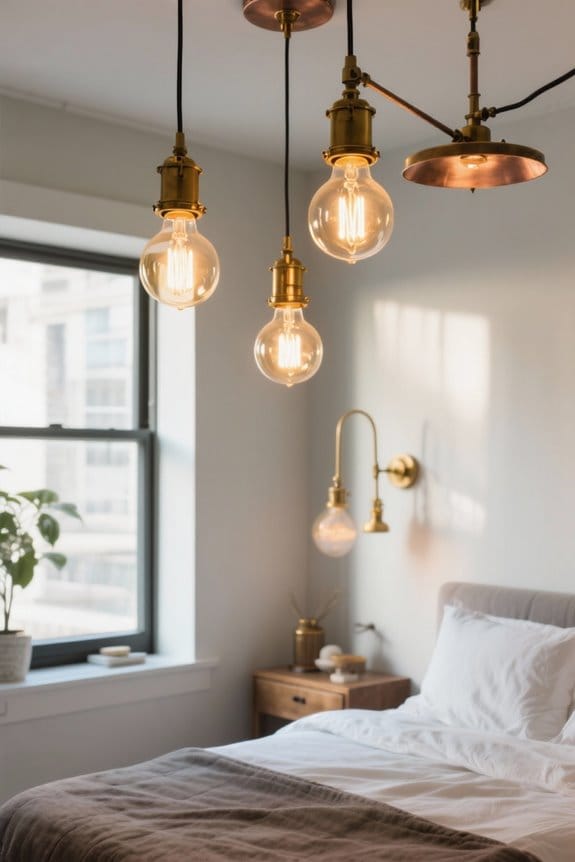
The History of Edison Bulbs and Vintage Lighting Revival

The history of Edison bulbs traces back to Thomas Edison’s revolutionary incandescent light bulb, patented in 1880, which transformed urban environments by replacing gas lighting. This innovation sparked a revival in vintage lighting, characterized by warm glows and unique filament designs. Modern designs integrate energy-efficient technologies, using argon to enhance longevity while maintaining the aesthetic appeal of traditional bulbs. As vintage-inspired lighting gains popularity in contemporary decor, it offers a charming blend of nostalgia and modern functionality, leading to exciting developments ahead.
Key Takeaways
- Thomas Edison patented the incandescent light bulb in 1880, transforming urban illumination and fostering a shift from gas lighting to electric light.
- The aesthetic appeal of Edison bulbs, characterized by warm glow and exposed filaments, has revived interest in vintage lighting designs.
- Vintage bulbs utilize handcrafted tungsten filaments and gases like argon to enhance longevity while providing a unique, inviting atmosphere.
- The resurgence of interest in vintage lighting reflects both nostalgia and the influence of contemporary decor trends, including the demand for energy-efficient solutions.
- Modern energy-efficient LED versions of vintage bulbs maintain the charm of Edison designs while promoting ecological responsibility and energy savings.
The Evolution of Illumination: From Flame to Electric Light
Although the shift from flame-based to electric illumination may seem straightforward, it represents a profound evolution shaped by necessity, innovation, and safety concerns. For centuries, candles and gas lamps illuminated people’s lives, yet these methods posed significant safety risks, especially with gas leaks. The development of electric light, particularly the patented incandescent light bulbs by Edison in 1880, revolutionized illumination, creating brighter, more reliable options than vintage bulbs. Edison’s pioneering work, complemented by his team’s efforts in establishing supporting infrastructure, laid the groundwork for urban lighting. The public’s awe during the New York demonstration in 1882 signified a permanent change in how cities were illuminated, marking electric light as the preferred solution, overshadowing its flame-based predecessors in both functionality and safety. This technological evolution eventually spurred a resurgence in vintage design appeal, which sought to recreate that nostalgic charm in modern home decor.
Thomas Edison: The Visionary Behind the Incandescent Light Bulb

Thomas Edison stands as a pivotal figure in the history of lighting technology, revolutionizing how the world perceived and utilized illumination. Born in 1847, he is renowned for his creation of the incandescent light bulb, commercialized on January 27, 1880. Edison’s most significant achievement was developing a long-lasting bulb, utilizing a carbonized cotton thread filament that lasted over thirteen hours. His research team, the “Muckers,” conducted rigorous experiments to perfect the bulb and establish essential infrastructure, including switches and wiring. The first public demonstration in 1882 showcased electric light’s transformative impact on urban environments. Edison’s invention paved the way for modern lighting design, introducing a warm glow that has continued to influence the history of vintage lighting ever since. Additionally, early incandescent bulbs laid the groundwork for advancements in energy-efficient designs, which have become crucial in today’s lighting technology.
Collaborative Innovations in Light Bulb Development

Revolutionizing the landscape of illumination, the development of the electric light bulb was not a solitary endeavor but rather a culmination of collaborative innovations that brought together brilliant minds. Thomas Edison’s incandescent light bulb was notably enhanced by his team, the Muckers, who excelled in experimenting with various materials, including the groundbreaking carbonized bamboo filament. This essential discovery extended the lamp’s life and efficiency, showcasing its commercial potential. In 1882, their collaborative efforts culminated in a successful demonstration in New York‘s financial district, highlighting the practical application of their innovations. Additionally, the necessary infrastructure for electric lighting, encompassing switches and wires, was developed through concerted teamwork, ensuring vintage light bulbs could thrive within a modern context. This revival of vintage lighting has inspired contemporary designers to create accent console tables that complement the warm glow of Edison bulbs, adding aesthetic charm to spaces.
The Rise of Electric Light: Cultural and Urban Transformations
The introduction of electric light transformed urban environments and cultural perceptions, ushering in an era where once shadowy streets and dimly lit homes became vibrant centers of activity. Edison’s incandescent bulb, commercially available in 1880, effectively replaced gas lighting, igniting significant cultural transformations. The public demonstration of electric light in New York’s financial district on September 4, 1882, showcased its potential, allowing communities to illuminate public spaces and enhance home decor profoundly. The Victorian and Edwardian eras embraced this revolution, featuring elaborate designs such as pendant lights and opulent chandeliers. This shift to electric light not only brightened cities but also paved the way for intricate electrical infrastructure, forever altering the landscape of urban living and design aesthetics. Additionally, the rise of modern glass vanity tables contributed to the allure of well-lit spaces, further enhancing the elegance of home interiors.
The Vintage Aesthetic: The Appeal of Edison Bulbs Today
An unmistakable charm characterizes Edison bulbs, which have surged in popularity due to their vintage aesthetic and evocative warmth. With exposed filaments emitting a soft glow around 2200K, these lighting fixtures create inviting atmospheres in homes and cafes alike. Their revival showcases a distinct appeal of vintage, seamlessly complementing various design themes, such as industrial and retro styles. Experts note that contemporary Edison bulbs combine iconic aesthetics with modern energy-efficient technologies, catering to environmentally-conscious consumers. The affordability and compatibility with dimmer switches further enhance their allure. As interior designers like Kelly Wearstler and brands such as West Elm integrate Edison bulbs into trendy settings, the unique ability to enhance character and ambiance is increasingly recognized, making them a design essential today. Additionally, dimmable LED lights allow for adjustable brightness, contributing to versatile lighting configurations in any space.
Recommended Products

【Specifications】 28" wide x 23" high. Canopy is 5 1/4" wide. Weighs 14 lbs. Comes with 6-feet of chain and 12-feet of wire. Sloped ceiling adaptable.

STYLE AND TRADITION: This traditional lantern style wall-mount sconce brings timeless elegance to any outdoor space with its oil-rubbed bronze finish and antique copper accents

Set of 2 lamps. Each is 28 3/4" high overall. Bases are 9" wide. Shades are 14" across the top x 16" across the bottom x 11" high.
Understanding Vintage Light Bulbs: Features and Functionality
Vintage light bulbs stand as a demonstration to an era of design that values both aesthetics and functionality, showcasing unique artistry in their construction. Characterized by exposed tungsten filaments, these bulbs come in various shapes, including globes and classic Edison styles, enhancing their visual allure. With a color temperature around 2200K, vintage light bulbs emit a warm, inviting glow, perfect for spaces like cafes and cozy homes. Although they consume significant wattage—often exceeding 100 watts—they create an ambiance that modern LED lighting typically lacks. Additionally, internal gases like argon extend filament life, balancing luminosity and efficiency. This combination of historical craftsmanship and atmospheric warmth continues to attract design enthusiasts seeking an authentic vintage experience. Moreover, vintage bulbs tend to consume significant wattage, emphasizing their difference from energy-efficient alternatives like LEDs.
Recommended Products

【Specifications】UL listed. 41 1/2" wide x 22 1/2" high x 35" deep. Canopy is 5" wide x 2" high. Glass globes are 5" wide. Weighs 15 lbs. Comes with one 6" and three 12" downrods, and 11-feet of wire. Hang height of 67" maximum and 31" minimum. Sloped ceiling adaptable up to maximum 15 degrees.

34" wide x 16 1/4" deep. Canopy is 16" wide x 6" deep. Globe shades are 5", 6" and 7 1/2" wide. Weighs 23.1 lbs.

26" wide x 22" high. Canopy is 5" wide x 1" high. Weighs 14 lbs.
The Historic Significance of Vintage Lighting Designs
Illumination has long played a pivotal role in both architecture and interior design, particularly during the transformative years from the late 19th century onward. The advent of Edison Light Bulbs marked a significant leap forward, as they replaced gas lighting with a more reliable and brighter alternative. Vintage lighting designs, characterized by intricate filaments and unique glass finishes, evoke nostalgia while offering timeless elegance to various spaces. The emergence of movements like Art Deco and Mid-Century Modern infused stylistic diversity into vintage designs, showcasing geometric shapes and bold colors. Today, the 21st century revival of vintage lighting reflects a collective yearning for historical craftsmanship and distinctiveness, enhancing both residential and commercial environments with an artistic touch that celebrates the past. These designs resonate with the principles of portable garment racks, which also emphasize functionality and style in organizing spaces.
The Unique Craftsmanship of Vintage Light Bulbs
Craftsmanship in lighting design often reflects a harmonious blend of artistry and utility, particularly when examining the detailed work behind vintage light bulbs. These bulbs showcase unique craftsmanship through their intricate, handcrafted tungsten filaments, designed to emit a soft light that enhances their vintage appeal. With distinctive shapes like globes and Edison bulbs, alongside finishes of clear, frosted, and amber glass, they serve as decorative focal points in any space. Many designs employ traditional techniques, intertwining historical influences with modern functionality, making them perfect for chandeliers and wall sconces. Furthermore, the specific gas composition, reliant on argon, prolongs filament life and elevates luminosity, greatly contributing to the allure of vintage light bulbs and their nostalgic ambiance in contemporary homes. Many of these bulbs also incorporate advanced LED technology, which enhances energy efficiency while maintaining the vintage aesthetic.
The Science of Vintage Light Bulbs: Filaments and Gases
Light bulbs designed in the vintage style are fascinating not only for their aesthetic charm, but also for their underlying science, particularly concerning filaments and the gases used within. Vintage light bulbs primarily utilize tungsten filaments, which emit light when heated to high temperatures. This process produces a warm glow, reminiscent of historical lighting fixtures. The craftsmanship behind these bulbs often features intricate, handmade filament shapes that enhance the light’s unique quality. To boost longevity and efficiency, these bulbs are filled with argon gas, which also aids in prolonging the lifespan of the filament. The gas pressure within the bulbs is pivotal, directly influencing their efficiency in light production, ultimately setting vintage options apart from modern lighting solutions. Additionally, vintage bulbs can be used to enhance the ambiance when paired with adjustable pendant lights, providing both style and functionality in a home.
Choosing the Perfect Vintage Light Bulb for Your Space
When considering the addition of vintage light bulbs to a space, it is essential to evaluate several factors that blend both aesthetics and functionality. Selecting vintage-style bulbs with a warm color temperature around 2200K can create inviting atmospheres, making any room feel more welcoming. The design of the bulb, including filament style and glass finish, should harmonize with existing antique fixtures to elevate the overall decor. Additionally, savvy shoppers may explore LED options that mimic vintage aesthetics but consume considerably less energy and offer longer lifespans, up to 15,000 hours. Vintage LED Edison bulbs are available in various shapes, including globes and Edison-style designs, allowing for personalized lighting solutions that cater to individual taste and space requirements.
Recommended Products

66" high x 24" wide overall. Round base is 12" wide. Glass only is 10 1/2" wide x 8" high. From floor to bottom of shade is 51 1/2". Weighs 14.1 lbs.

【Specifications】 13 1/2" wide x 7 3/4" high. Canopy is 12 1/2" wide. Glass is 10 1/4" wide x 6 1/2" high. Weighs 3.7 lbs. Includes three 7 watt amber Edison filament LED bulbs, each with a light output comparable to a 60 watt incandescent. 700 lumens each. 2200K. 80 CRI. Maximum 60 watt bulbs.
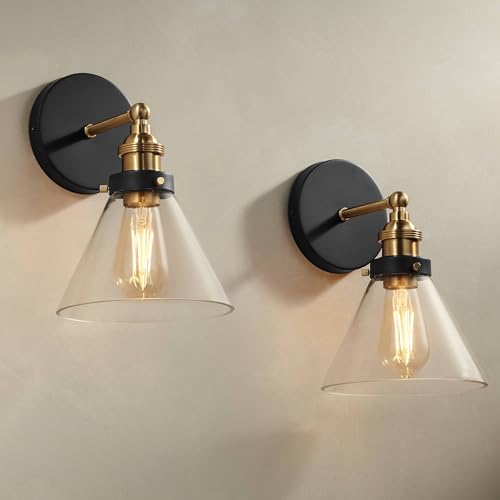
Each is 10 3/4" high x 7 1/4" wide. Extends 8 3/4" from the wall. Glass shade is 5 1/2" high x 7 1/4" wide. Weighs 2.4 pounds.
The Resurgence of Vintage Lighting in Modern Decor
As the interest in vintage aesthetics flourishes, the resurgence of vintage lighting in modern decor reflects a sophisticated blend of nostalgia and contemporary design. Fueled by the EISA ban on low-efficiency bulbs, consumers now seek energy-efficient yet aesthetically pleasing options, like LED bulbs mimicking vintage looks. Interior designers increasingly favor Edison-style reproductions for their warm glow and charming appeal, making them a go-to choice for settings such as cafes and restaurants aiming for that vintage-industrial vibe. This revival not only showcases craftsmanship through new designs that honor historical styles but also captivates homeowners desiring a sense of nostalgia without compromising energy efficiency. As a result, vintage lighting remains an enduring trend in today’s decor landscape.
Recommended Products
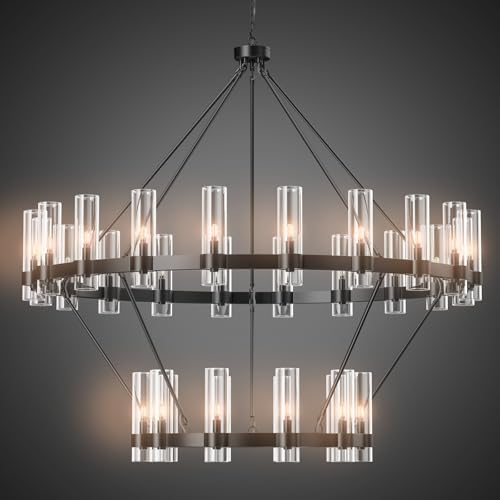
[Black chandelier Wagon Wheel Chandelier]: Carefully designed by professional designers, every part of the lamp body is made through mechanical precision cutting and the ingenuity of human craftsmanship. The Wagon Wheel Chandelier adopts a more solid and safe design, with 360° light coverage, creating a warm home atmosphere.
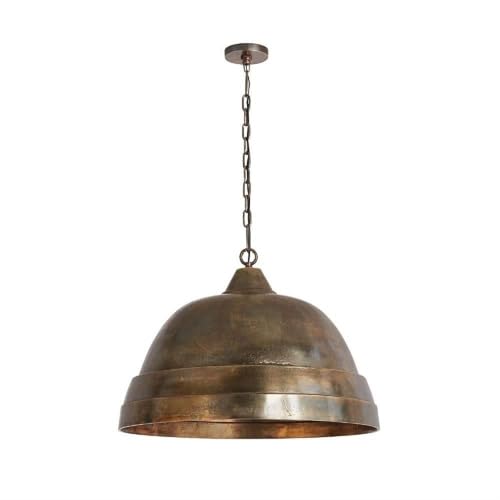
SEDONA PENDANT LIGHT DIMENSIONS: 20" High (146" Max Adjustable Height) x 28" Wide; Canopy: 5"W x 5"L x 0.75"H; Weight: 43 lbs.

【Black Chandelier with Glass Shade】 Carefully designed by professional designers, every part of the lamp body is made through mechanical precision cutting and the ingenuity of human craftsmanship. The Wagon Wheel Chandelier adopts a more solid and safe design, with 360° light coverage, creating a warm home atmosphere.
The Future of Vintage Light Bulbs: Trends and Innovations
While the allure of vintage light bulbs endures, the future holds promising trends and innovations that are reshaping the landscape of lighting design. The rise of energy-efficient LED versions of vintage bulbs allows for significant energy savings—often less than a tenth of the wattage of traditional incandescent bulbs—without sacrificing aesthetics. Advancements in LED technology have made it possible to create bulbs that capture the warm glow and intricate filament designs characteristic of vintage lighting. Additionally, manufacturers now offer a variety of shapes and sizes, enabling designers to enhance spaces, such as restaurants and retail environments, with a nostalgic touch. This trend not only embraces ecological responsibility but also meets the growing consumer excitement for charming and versatile lighting solutions.
Frequently Asked Questions
Recommended Products

【Specifications】 30" high x 16 3/4" wide. Canopy is 6" diameter x 1 1/4" high. Weighs 18.96 lbs. Includes 5-feet of chain. Sloped ceiling adaptable.

STYLE AND DESIGN: This medium wall mount lantern from the Hinkley MANHATTAN family boasts a sleek Craftsman design that pairs perfectly with your exterior décor

42 1/4" wide x 25 1/4" high. Canopy is 8" wide x 4 3/4" deep x 3/4" high. Support rods are 23" long. Weighs 12.4 lbs.
What Are Vintage Edison Bulbs?
Vintage Edison bulbs are light sources that feature filament technology, producing a warm glow characteristic of early electric lighting. Their nostalgic design and aesthetic appeal make them popular choices for enhancing various environments, both residential and commercial.
How Long Did Light Bulbs Last Before Edison?
Before Edison, light bulbs typically lasted around 13 hours. In contrast, gas lighting offered longer durations, while candles had unpredictable burn times, arc lamps provided brighter illumination, and early fluorescents emerged as another innovative, albeit inconsistent, alternative.
What Was Invented in 1879 That Revolutionized the Lighting Industry?
In 1879, a glowing filament burst forth, transforming darkened corners into domains of electric illumination. This early innovation revolutionized lighting efficiency, as homes finally embraced the glow, abandoning flickering shadows for a brighter, safer existence.
What Is the History of Edison Screw Bulbs?
The Edison screw bulbs emerged from Edison innovations, featuring a simple screw design that enhanced lighting efficiency. This practical socket led to widespread bulb popularity, establishing a standard that remains integral to modern lighting solutions.