As an Amazon Associate, we earn from qualifying purchases. Some links on this site are affiliate links at no extra cost to you. Our recommendations are based on thorough research and editorial judgment.


Understanding Biophilic Design Principles for Bedrooms

Biophilic design principles for bedrooms focus on integrating natural elements to enhance well-being, promote restful sleep, and create a calming atmosphere. Designers utilize organic materials like reclaimed wood, earthy textiles, and soft color palettes to invoke tranquility. Adding houseplants improves air quality, while features like customizable lighting and natural ventilation regulate circadian rhythms. Incorporating sensory elements such as essential oils and natural sounds reinforces relaxation. This holistic approach supports physical and emotional health, encouraging environments that foster peace and serenity, leading to even more thoughtful inspiration.
Key Takeaways
- Incorporate natural elements like houseplants and organic materials to enhance well-being and aesthetics in bedroom design.
- Utilize natural light through sheer curtains and mirrors to promote a calming and spacious atmosphere.
- Employ a nature-inspired color palette with soft greens and browns to create a soothing environment.
- Ensure clean air circulation with air-purifying plants and air quality enhancers for improved sleep quality.
- Integrate multi-functional furniture and space-saving solutions to maintain an orderly and serene bedroom space.
The Meaning and Benefits of Biophilic Design
Biophilic design, a concept rooted in the innate human connection to nature, serves as a cornerstone for creating serene and restorative bedroom environments. By integrating natural elements, such as indoor plants, natural lighting, and earthy color palettes, biophilic design fosters a sense of well-being, encouraging emotional stability and physical health. Research indicates that these features can meaningfully reduce stress levels while promoting better sleep patterns, ultimately enhancing one’s mood and productivity. As Edward O. Wilson, who popularized the concept, suggested, environments that mimic nature support our inherent affinity for the outdoors. Consequently, through biophilic design, individuals can enjoy bedrooms that contribute to mental clarity and tranquility, providing a restorative sanctuary in their busy lives. Incorporating essential oil diffusers can further enhance the ambiance by promoting relaxation and improving air quality.
How to Incorporate Natural Elements in Bedroom Design

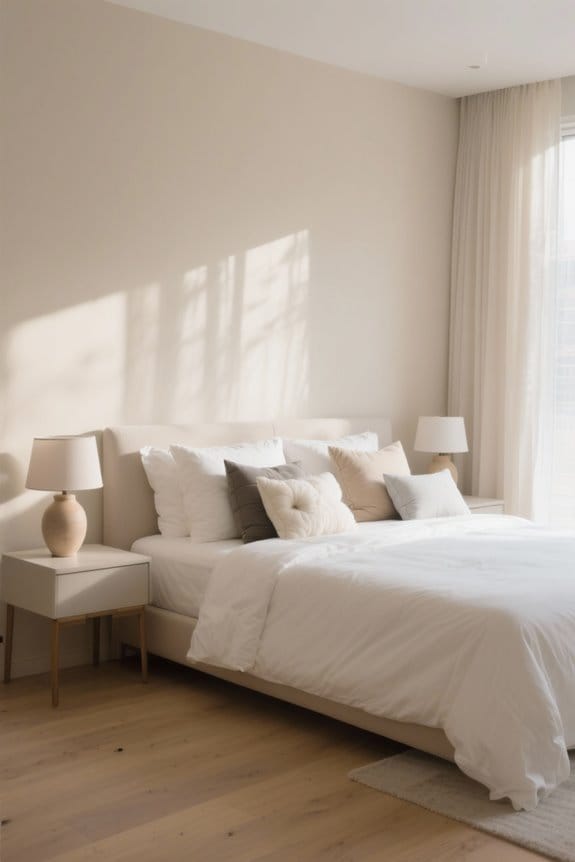
Creating a harmonious bedroom environment is essential for fostering relaxation and rejuvenation, especially when natural elements are thoughtfully incorporated into the design. Maximizing natural light can easily be achieved with sheer curtains, strategic furniture placement, and mirrored surfaces that reflect brightness. Adding potted houseplants like snake plants or peace lilies not only beautifies the space but guarantees healthier air quality, as these plants also purify indoor environments. The use of furniture composed of natural materials, such as weathered oak or rattan, contributes to a soothing atmosphere. Additionally, incorporating organic textiles in earthy tones—browns, greens, and soft blues—further aligns with biophilic design principles, creating a tranquil bedroom setting conducive to restful sleep and overall well-being. Furthermore, choosing OEKO-TEX certified materials for bedding and pillows can enhance the natural feel of the space while ensuring safety and durability.
Recommended Products

JOY LINEN DESIGN: Sweet dreams are only a duvet away. Colorful and abstract, this gorgeous print was inspired by a paper vintage dress our designers discovered at the famous Brimfield Antique Market in Massachusetts. Expertly constructed of 100% natural linen, this duvet is the perfect weight and warmth for all seasons.
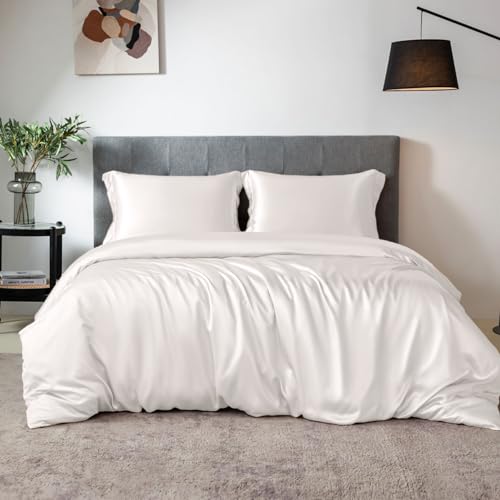
PACKAGE INCLUDES: You will have an exquisite california king size set includes: 1 Duvet Cover (110" x 96"), 1 Fitted Sheet (72" x 84" + 16"), 2 Pillow Shams(20" x 40" + 2"). The depth of the bedsheet is 16 inches, which can effectively secure the mattress.
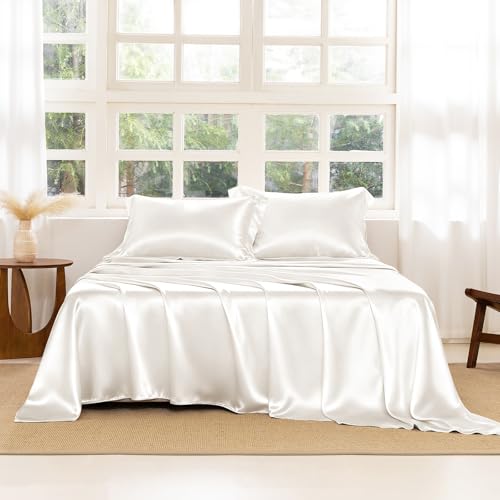
100% PURE MULBERRY SILK: Mulberry silk is a natural protein fiber with 18 types of amino acids, which fits the human skin. Mulberry silk has excellent breathability and temperature regulation functions, making it warm in winter and cool in summer, suitable for those who sleep hot and cold. Low friction can effectively protect hair and skin from damage.
Organic Forms and Colours for a Calming Effect

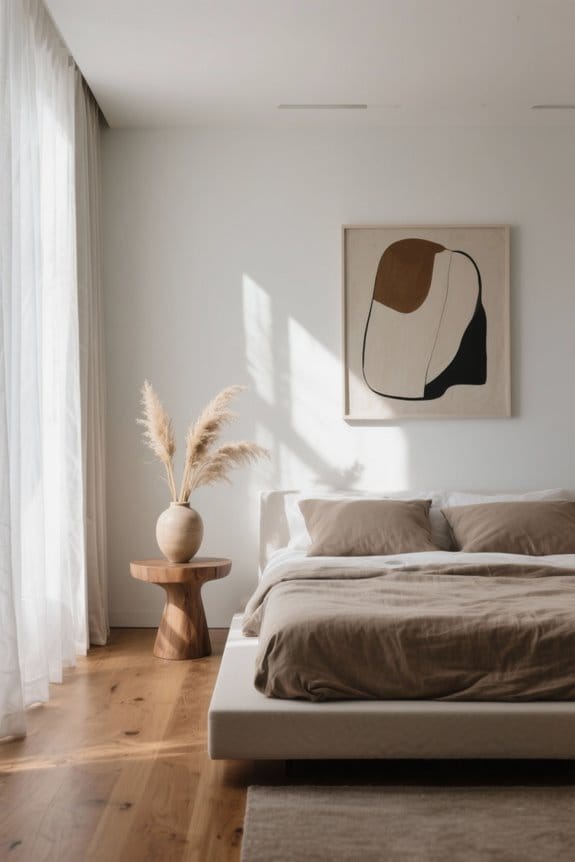
An abundance of organic forms and colors transforms bedrooms into serene sanctuaries, fostering a sense of peace and relaxation. Incorporating organic shapes, such as furniture with rounded corners and gentle curves, establishes a calming bedroom environment essential for restful sleep. Color palettes inspired by nature utilize warm browns, soft greens, and gentle blues to create a soothing atmosphere. Layering these soft furnishings in complementary hues not only enhances visual interest but also maintains a serene, inviting space. This design approach aligns with biophilic design principles, promoting a deeper connection to nature. As interior designer Vivienne Westwood suggests, “Nature is always on your side,” exemplifying how natural textures and colors can greatly reduce stress and enhance overall well-being. Opting for bedding options with all-season comfort ensures that your sanctuary remains cozy and inviting throughout the year.
Recommended Products

[Couch and Chair Set of 3]: This Sofa Set includes 1pcs Modern Sofa + 2pcs Swivel Accent Chair. The swivel armchair size: 33.07”W x 33.07”D x 27.95”H / The cozy sofa size: 34.65”W x 88.58”D x 28.35”H. This couches set is easy to assemble, just needs to install the sofa legs.

Made from sandblasted pine solids and veneers to create an organic raised grain texture

Sensory Delights With Biophilic Design
The infusion of sensory experiences into bedroom design can greatly enhance relaxation and emotional tranquility, building upon the serene foundation established by organic forms and colors. By incorporating tactile materials like smooth wood and soft bouclé, interior design can create experiences that promote a calming atmosphere, inviting touch and comfort. Natural sounds, such as rain or ocean waves, can further enhance this environment; sound diffusers mimic these pleasant auditory experiences. Furthermore, scented candles featuring earthy aromas, like lavender and frankincense, signal the body to prepare for rest. Visual elements, including artwork that captures nature’s beauty, engage the eyes, contributing to a richer atmosphere. Engaging all five senses through biophilic design ultimately fosters relaxation and emotional balance in the bedroom space. Additionally, introducing essential oil blends can enhance the sensory experience and promote even deeper relaxation.
Creating a Natural Sleep Environment: Light, Air, and Materials
Natural light, when skillfully integrated into bedroom design, has the remarkable ability to uplift mood and enhance overall well-being. Maximizing this light not only increases serotonin levels but also creates a warm, inviting atmosphere. To optimize light, designers often recommend sheer curtains and strategically placed mirrors that reflect maximum brightness. Additionally, ensuring clean air circulation is essential; using fans and HEPA air purifiers can greatly reduce indoor toxins, creating a restful environment. In addition, the choice of materials plays an important role; tactile elements such as wood, stone, and breathable fabrics like linen and organic cotton contribute to a calming atmosphere. Finally, employing a color palette inspired by nature enhances relaxation, offering a serene backdrop for restful nights. Moreover, incorporating energy-efficient ceiling fans can significantly improve air circulation while maintaining a tranquil environment needed for quality sleep.
Incorporating Plants and Natural Sounds
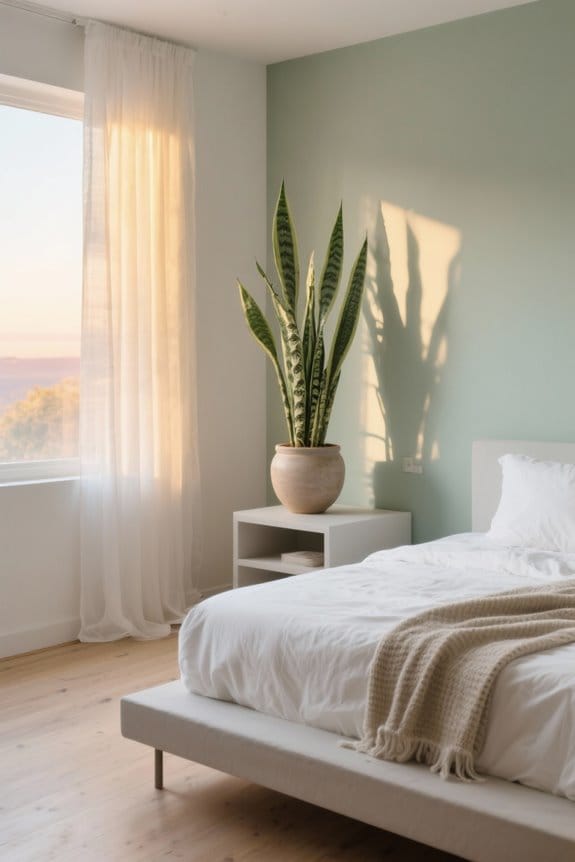
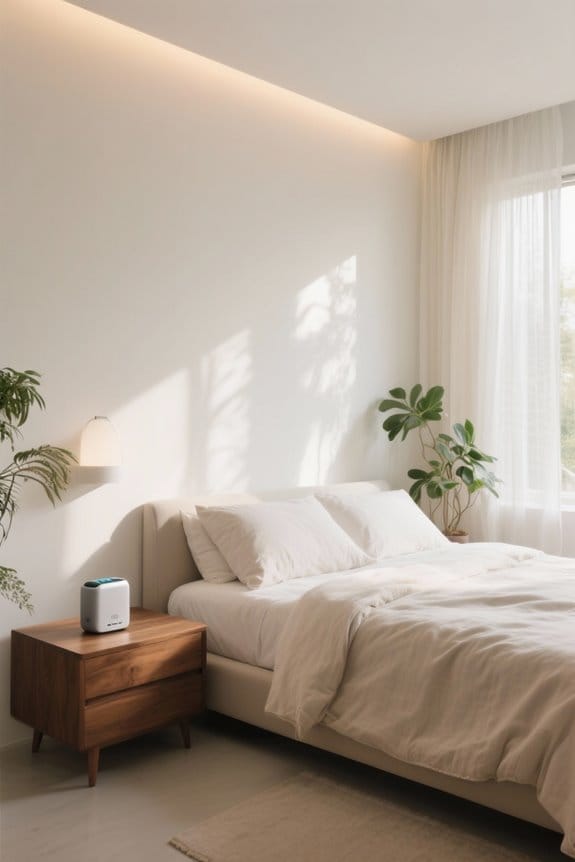
Incorporating a variety of plants and the soothing sounds of nature can greatly alter a bedroom into a serene retreat, promoting improved sleep quality and overall well-being. Low-maintenance plants, such as snake plants and peace lilies, not only enhance aesthetics but also purify the air, supporting a healthier sleep environment. Their placement near windows or bedside maximizes oxygen production, which contributes to better sleep quality. Likewise, natural sounds from gentle water features or sound machines replicate nature’s calming effects, helping the brain shift into sleep. Studies have shown that engaging with these elements reduces stress levels and lowers blood pressure, thereby fostering a tranquil atmosphere. Together, plants and natural sounds create an immersive sensory experience essential for restful sleep. Additionally, low-light plants like the Birkin Philodendron can thrive in dim conditions, ensuring their beauty and air-purifying benefits even in less-than-ideal lighting.
Recommended Products

The OS12500 is the most powerful portable ozone generator and is perfect for deodorizing and eliminating odors in extra- large spaces such as locker rooms, banquet halls, hotel suits, apartments, offices, restaurants, and commercial properties. It will eliminate even the most severe odors caused by tobacco, smoke, pets, water and flood damage and more

【Low Energy Consumption and Sufficient Power】:Built-in super-energy atomizing and humidifying parts,high energy efficiency ratio,large atomizing amount,and atomizing particles are only 3-5um.Consumes only 1/15-1/10 of the energy of other humidification methods.

COMPLETE HOME STARTER BUNDLE - Breathe cleaner air in every room with the iAdaptAir Home Air Purifier Starter Bundle. Includes 1 Small, 1 Medium, and 1 Large purifier, delivering powerful, multi-room air purification for living rooms, kitchens, bedrooms, and other shared spaces in your home. Perfect for families, allergy sufferers, and anyone looking to improve indoor air quality.
Essential Oils and Scents to Enhance the Sleep Experience
How can the use of vital oils transform a bedroom into a sanctuary for rest? Essential oils, such as lavender, frankincense, and vetiver, release natural fragrances known to reduce heart rates and cultivate relaxation. By incorporating these oils in diffusers or pillow sprays, individuals signal their bodies to prepare for rest, greatly enhancing sleep quality. Earthy scents like cedarwood and chamomile create a calming atmosphere, essential for easing into sleep. Studies indicate that these specific aromas not only lower stress levels but also improve cognitive function, promoting a restful night. Hence, crafting a sensory experience through scents aligns with biophilic design, integrating nature’s elements into personal spaces, enriching both ambiance and well-being, making any bedroom feel more inviting. Additionally, utilizing smart oil diffusers can provide customizable mist intensity and ambient lighting, adding to the overall sensory experience in the bedroom.
Recommended Products

Transform any space with our invigorating essential oils! Whether you're seeking a lively home ambiance or a refreshing start to your day, our oils are ideal for enhancing your diffuser experience.

ARMOISE OIL: This sheer essence Armoise essential oil also known as Artemisia Alba Oil is undiluted and uncut therapeutic grade oil which is extracted naturally and it does not contain any added preservatives to protect there therapeutic properties.,

Transform any space with our invigorating essential oils! Whether you're seeking a lively home ambiance or a refreshing start to your day, our oils are ideal for enhancing your diffuser experience.
Embracing Natural Materials for a Restful Environment
The use of wood, rattan, and bamboo in bedroom furnishings serves as a gentle reminder of nature’s inherent beauty, playing a significant role in biophilic design. These natural materials not only enhance rustic charm but also promote tranquility within the space. Incorporating breathable organic fabrics like cotton and linen for bedding further supports a biophilic aesthetic, ensuring comfort and contributing to a restful environment. Textures such as reclaimed wood and natural stone can create a calming atmosphere reminiscent of serene outdoor settings. Additionally, macramé hanging baskets for plants stylishly integrate greenery without sacrificing valuable floor space, perfect for smaller bedrooms. Opting for sustainably sourced furniture fosters environmental well-being while crafting an inviting retreat for restful sleep. This can be achieved by considering designs that incorporate durable materials which ensure longevity and aesthetic appeal for your furniture investment.
Recommended Products

PERFECT STYLE - Sleep peacefully in a comforting, zen room, where this bed frame made of wood will be – quite simply – a stand-out feature in your decor. For an even more superb style, combine it with bedding in neutral or warm colors.

Amish Made and Handcrafted in the USA

A perfect space-saving study and storage bed, this prime-grade hardwood low loft bed comes with a reversible staircase and freestanding dressers that fit below the loft.
Designing a Calming Bedroom Atmosphere
A calming bedroom atmosphere can be achieved through careful consideration of color, light, and natural elements, transforming a simple space into a tranquil sanctuary. By incorporating soothing color schemes inspired by the natural world, such as soft greens and earthy browns, the environment becomes conducive to relaxation. Biophilic design also emphasizes the use of houseplants, which not only purify the air but enhance overall tranquility. Strategic window placement with sheer curtains floods the room with natural light, essential for regulating circadian rhythms and improving mood, ultimately aiding in lowering blood pressure. Additionally, patterns that echo the outdoors, alongside natural materials like wood and linen, foster equilibrium, creating the perfect environment for restful sleep and well-being. Choosing adjustable wall sconces can further enhance the calming atmosphere by providing customizable lighting options tailored to individual needs.
Frequently Asked Questions
Can Biophilic Design Be Applied to Small Bedrooms Effectively?
Biophilic design can indeed be effectively applied to small bedrooms through space optimization techniques, introducing small plant suggestions, integrating minimalist design, and focusing on cozy atmosphere creation, enhancing both functionality and aesthetics in limited areas.
What Types of Plants Are Best for Bedroom Biophilic Design?
The best indoor plants for biophilic design transform any small space into a verdant paradise. Low-light options like snake plants, along with air-purifying species such as peace lilies and seasonal blooms, create an enchanting atmosphere.
How Can I Balance Modern Decor With Biophilic Elements?
To balance modern decor with biophilic elements, one can integrate natural textures and organic shapes while maintaining minimalist elements, creating a harmonious blend that enhances modern aesthetics without overwhelming the space with excessive ornamentation.
Are There Specific Colors That Promote Relaxation in Bedroom Design?
Research indicates that 70% of individuals associate calming colors with relaxation techniques. Utilizing color psychology, soothing palettes of soft blues and greens can enhance bedroom ambiance, fostering tranquility and a peaceful sleep environment.
Is Natural Lighting Always Necessary for Biophilic Bedroom Design?
Natural lighting is not always necessary for biophilic bedroom design. However, incorporating natural materials, indoor fountains, and visual connections can enhance the space, complementing seasonal variations and creating a serene atmosphere conducive to relaxation.