As an Amazon Associate, we earn from qualifying purchases. Some links on this site are affiliate links at no extra cost to you. Our recommendations are based on thorough research and editorial judgment.


Understanding Weight Distribution in Floating Shelves

Understanding weight distribution in floating shelves is essential for safe and effective usage. The capacity varies by type; light-duty shelves support 5-15 pounds, while heavy-duty options can hold up to 150 pounds. High-quality materials, like solid wood or metal, enhance strength, and securing shelves to wall studs greatly boosts capacity. Proper installation techniques, such as evenly spacing screws and using robust brackets, prevent sagging. By recognizing these factors, one can guarantee both aesthetic appeal and functionality in design choices. Further insights await those looking to maximize their shelving potential.
Key Takeaways
- Floating shelves need to be mounted securely to wall studs to effectively distribute weight and enhance stability.
- Weight capacity depends on the shelf type; heavy-duty shelves support more weight than light-duty options.
- Using quality mounting hardware and heavy-duty brackets prevents sagging and ensures even weight distribution.
- Regular inspections for sagging or wear are crucial to maintain structural integrity and safety over time.
- Uneven weight distribution can lead to structural failures; distribute items evenly across the shelf for optimal support.
Factors That Affect Floating Shelf Weight Capacity
When considering the weight capacity of floating shelves, it is essential to understand the interplay of various factors that greatly influence their durability and functionality. The material of the shelf plays an important role; solid wood often boasts superior strength compared to MDF or particle board. Additionally, installation directly into wall studs enhances load-bearing capabilities notably, as studs can support up to 50 pounds each. The design and quality of mounting hardware, such as heavy-duty brackets, also impact shelf strength. Furthermore, shelf dimensions, including thickness and depth, determine how effectively weight distribution occurs. Proper installation is critical, and regularly checking for sagging prevents structural failures due to overloading beyond prescribed capacity. Effective management of these factors guarantees lasting and reliable floating shelves. Understanding the importance of design and quality of mounting hardware can further enhance the overall stability of your shelves.
Recommended Products

Ideal: Our rack provides a long-lasting and stable storage solution and is recommended for warehouse storage, distribution center storage, and automotive supplier storage

VERSATILE: Includes (1) freestanding cabinet, (2) mobile chests, (2) garage wall cabinets, and (1) work table, providing storage options to keep your tools and accessories organized and accessible
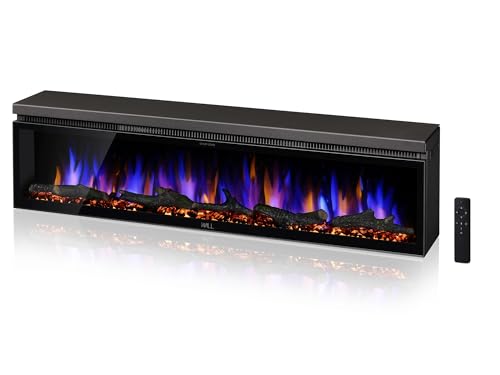
DESIGNED FOR FLEXIBLE, LUXURY DESIGN FOR ANY SPACE: Enjoy complete placement freedom with this slim electric fireplace—wall-mounted, freestanding, or mobile when paired with a WALL TV stand.Its clean, safety-focused design features no protruding front panel or exposed screws, allowing it to stand beautifully on its own. Ideal for renters and apartments, it requires no construction. Pair it with a WALL brand mobile TV stand (ASIN B0DT71258N, B0DT72MMNG) and shelf (ASIN B0G35G5SMR, B0G35HHZRX) to create a refined TV-and-fireplace setup you can reposition effortlessly. The sleek, modern profile delivers a sophisticated look that elevates living rooms, bedrooms, and premium media spaces.
Typical Weight Capacities by Shelf Type

Floating shelves serve as a popular design solution, seamlessly combining aesthetics and functionality while offering varied weight capacities to cater to different needs. Lightweight decorative floating shelves typically support 5–15 pounds, ideal for showcasing small items like picture frames or light decor. Medium-duty floating shelves can handle 20–50 pounds, suitable for kitchen or bathroom storage of dishes and toiletries. In contrast, heavy-duty floating shelves are designed for significant loads, supporting 75–150 pounds or more, particularly when constructed from solid wood or metal. The weight capacity of each type is noticeably influenced by installation quality and weight distribution; placing heavier loads in the center helps prevent sagging or possible failure, ensuring long-lasting usability in any space. Additionally, narrow designs allow for efficient use of space, making floating shelves a versatile choice in modern home decor.
Recommended Products

Sizes - 24x10, 40x10 and 72x10

The Benji wall mounted bookcase comes in a set of interior and exterior shelves, making it a unique focal point in your living room or home office.
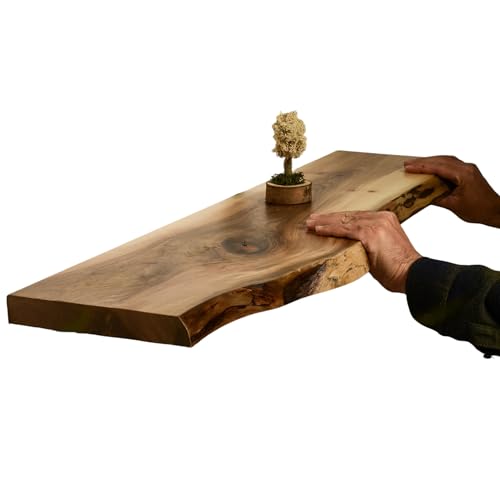
GENUINE ELEGANCE LIVE EDGE FLOATING SHELVES FOR WALL : A design style where the natural edge of the real walnut wood is preserved, showcasing its original shape and beauty. This gives a rustic and organic look.
Best Practices to Maximize Shelf Strength

Maximizing shelf strength requires careful planning and adherence to best practices that guarantee stability and longevity. First, floating shelves should always be mounted directly into studs, as this offers a weight capacity of 45-50 pounds per stud, greatly enhancing support. Utilizing heavy-duty brackets rated for the intended weight load is essential to prevent failures and sagging. For longer shelves, installing additional support rods helps in evenly distributing weight, addressing potential bending or warping. Regularly inspecting the mounting hardware and shelf for signs of wear guarantees ongoing safety, especially for shelves supporting heavier items. Additionally, choosing thicker materials like solid wood or metal improves load-bearing capacities, ultimately reinforcing shelf strength and maintaining a stylish appearance in any space. Incorporating load capacity considerations is crucial to ensure that the shelves can support the intended weight without risking structural integrity.
Recommended Products

[4mm Thick Iron Shelf brackets - Support 100 lbs] Our heavy duty triangle shelf could support a maximum weight of 100lbs, the hanging shelves are made of 4mm thicken galvanized iron, different from normal 3mm thick shelf brackets, our triangle shelf brackets could be stronger and more stable while using
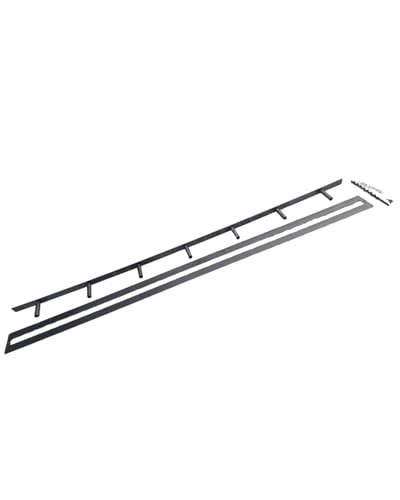
Heavy-duty functional brackets can hold well over 100 lbs per stud they are attached to

Ekena Millwork BKTM02X12X15TNE 2" W x 12" D x 15" H Nevio Wrought Iron Bracket (Triple Center Brace)
Dimensions: 2 in. Width x 12 in. Depth x 15 in. Height
The Importance of Proper Installation Techniques
Although many homeowners admire the minimalist aesthetic of floating shelves, the importance of proper installation techniques cannot be overstated. Securing these shelves to wall studs rather than just drywall markedly enhances their overall weight capacity. Utilizing high-quality mounting hardware, such as heavy-duty brackets and toggle bolts, contributes to a shelf’s strength and stability. For effective weight distribution, it is vital to use evenly spaced screws or anchors, distributing the load proportionately. Regular inspections are essential, as they help identify any signs of sagging or loose hardware. Adhering to manufacturer guidelines guarantees compliance with weight limits, leading to secure implementation. Ultimately, the right installation techniques create both an attractive and functional solution for modern living spaces. Additionally, understanding weight limits and stability is crucial to ensure that floating shelves can safely hold the intended items without risk of damage.
Testing for Durability and Weight Capacity
Testing the durability and weight capacity of shelves is a critical practice that should involve a systematic approach. This process begins with placing light items on a floating shelf, progressively adding heavier loads to evaluate the weight capacity and assess potential load limits. During testing, any signs of sagging, shifting, or excessive flexing indicate that the shelf nears its maximum support and necessitates immediate attention. Proper installation, such as securing shelves directly into wall studs, greatly enhances sturdiness and safety. In addition, regular maintenance—inspecting brackets and screws for wear—can prolong shelf life and prevent unexpected failures. By understanding weight distribution, designers can create appealing yet robust live edge floating shelves, merging aesthetics and durability seamlessly in contemporary interiors. Additionally, using high-quality materials, such as premium polyester in bed skirts, can significantly improve structural integrity and resilience of shelf designs.
Common Mistakes to Avoid When Installing Floating Shelves
Many homeowners overlook essential elements when installing floating shelves, leading to potentially detrimental outcomes. A common mistake is overloading shelves beyond their weight capacity, especially light-duty shelves limited to 10-20 pounds. Additionally, improper mounting techniques, such as failing to secure into wall studs, drastically reduce support strength. Using low-quality screws can compromise stability, much like trying to support a heavy bookshelf with flimsy toothpicks. Equally important is the practice of evenly distributing weight; uneven loads can quickly lead to structural failure. Moreover, neglecting to test weight capacity incrementally can result in surprises, with heavy-duty options capable of supporting 50-150 pounds needing careful assessment. Such mistakes can turn a simple installation into a precarious endeavor. Prior to installation, ensure you assess weight limits based on your shelf’s specifications to avoid compromise on sturdiness.
Expert Tips for Enhancing Load Capacity
To effectively enhance the load capacity of floating shelves, several key strategies can be employed, ensuring both functionality and aesthetics remain intact. First, it is essential to mount into wall studs instead of drywall alone, as this can support 45 to 50 pounds per stud. Additionally, one should distribute weight evenly, placing heavier items toward the center to balance load and minimize sagging. Utilizing heavy-duty brackets rated for specific loads will greatly improve stability; brands like Knape & Vogt offer reliable options. Reinforcement methods, such as adding extra support rods or brackets, further enhance overall weight distribution. Finally, regular inspection of mounting hardware is essential, as timely maintenance can prevent issues that compromise load capacity in floating shelves. Moreover, understanding the materials and durability of the shelving units will significantly influence their ability to withstand weight over time.
Recommended Products
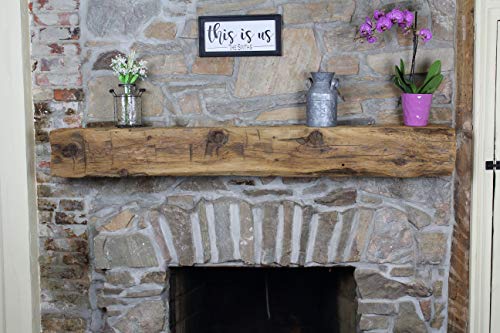
AUTHENTIC HAND HEWN BARN BEAM - A unique piece of American history dating from the late 1700s through early 1900s. Each beam was hand-cut with an ax before sawmills were common, creating textures and axe marks that cannot be replicated with modern methods. Certified Reclaimed. The centerpiece your fireplace has been waiting for.

Spacious Multi-Use Storage - This led wine rack wall mounted features a multi-tier design with hanging glass racks and adjustable hooks, offering ample space to organize liquor bottles, wine glasses, mugs, books, plants, or decor. Its large wall bar shelves maximize vertical storage while keeping countertops clutter-free.

RUSTIC CAST STONE DESIGN: Crafted from durable cast stone with a natural wood-grain texture, the Country Living Lodge Mantel Shelf adds timeless rustic charm to any fireplace, entryway, or accent wall. Available in 60" and 72" sizes.
Choosing the Right Floating Shelf for Your Space
When homeowners commence on the journey of choosing the right floating shelf for their space, it is essential to balance aesthetic appeal with functional requirements. Key factors to take into account include weight capacity; light-duty shelving typically supports 10-20 pounds, while heavy-duty options can handle 75-150 pounds or more. Selecting a durable material, like solid wood or metal, enhances strength compared to MDF or glass alternatives. Additionally, shelf dimensions matter; deeper shelves may reduce weight capacity, so limiting depth to essential items is advisable. Proper installation on wall studs greatly improves load distribution and stability, especially when reinforced with high-quality hardware. By thoughtfully selecting floating shelves, homeowners can create both visual interest and functional storage solutions. Moreover, regular filter replacements can ensure optimal performance in any setting, similar to maintaining the effectiveness of air purifiers.
Recommended Products
GENUINE ELEGANCE LIVE EDGE FLOATING SHELVES FOR WALL : A design style where the natural edge of the real walnut wood is preserved, showcasing its original shape and beauty. This gives a rustic and organic look.

HANDCRAFTED FROM NEW, QUALITY BLACK WALNUT HARDWOOD: These wood floating shelves are meticulously crafted from high-quality black walnut wood. Each floating shelf is carefully sealed using a professional-grade clear coat varnish to protect the wood and highlight the natural grain and deep color tones that Black Walnut wooden shelves have to offer

GENUINE RECLAIMED WOOD SHELVES: These wood shelves are hand made from reclaimed barn beams. Available as reclaimed wood floating shelves or deep wall mounted shelves, they feature knots, saw marks and imperfections that tell a story of time and use. We partner with local Amish artisans from Lancaster County, PA to transform each reclaimed weathered barn beam into a wall shelf.
Frequently Asked Questions
What Is the Rule of Thumb for Floating Shelves?
The rule of thumb for floating shelves involves adhering to weight limits based on materials and installation techniques, ensuring safety by distributing items evenly, and using calculated shelf placements to avoid sagging while maintaining aesthetic design styles.
How to Evenly Distribute Weight on a Shelf?
To achieve perfect shelf harmony, one must master weight placement through thoughtful item organization. Proper shelf design and support brackets combined with smart material selection, wall anchoring, and load testing guarantee aesthetic balance and stability at any shelf height.
How Much Weight Can Floating Shelves Hold?
Floating shelves can hold between 10 to 150 pounds, depending on shelf materials, installation techniques, and bracket types. Weight limits and shelf dimensions, alongside proper wall materials and mounting hardware, guarantee safety when displaying decorative items.
What Are the Common Mistakes With Floating Shelves?
A tapestry of common mistakes weaves through floating shelves, including weight limit misconceptions, improper installation techniques, poor material choices, neglecting maintenance, and overlooking safety practices, ultimately compromising aesthetics and utility in shelf organization and design.