As an Amazon Associate, we earn from qualifying purchases. Some links on this site are affiliate links at no extra cost to you. Our recommendations are based on thorough research and editorial judgment.

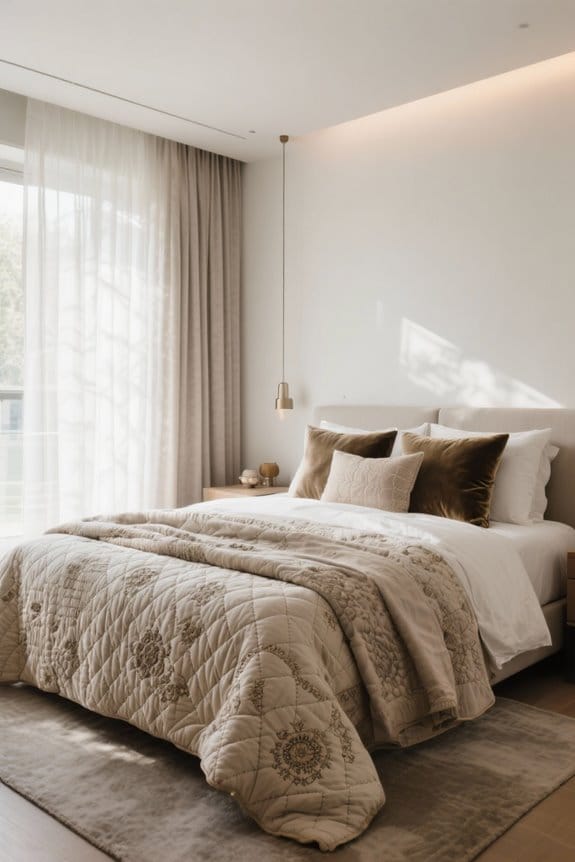
The History of Quilted Textiles in Bedroom Design

The history of quilted textiles in bedroom design traces back to ancient Egypt, evolving through cultures, including medieval Europe, where they became symbols of nobility. In Colonial America, quilting fostered community spirit amid fabric scarcity, inspiring patchwork designs. The 19th century introduced iconic patterns, such as Log Cabin and Baltimore Album, reflecting resilience. Today, brands like Cotton + Steel champion sustainability with recycled materials, merging tradition with modern aesthetics. Exploring the journey reveals deeper insights into this rich textile art.
Key Takeaways
- Quilted textiles originated in ancient Egypt and evolved throughout history, becoming significant for warmth and style in bedroom design.
- The introduction of quilted garments to Europe by Crusaders in the 11th century marked their initial adaptation in bedroom aesthetics.
- Colonial America transformed medieval quilting traditions into community-centric practices, leading to the use of patchwork quilts in bedrooms.
- Iconic 19th-century quilt patterns emerged, such as Log Cabin and Baltimore Album, shaping the decorative aspects of bedroom textiles.
- Modern adaptations focus on sustainability and personalization, ensuring quilted textiles remain relevant in contemporary bedroom design.
The Origins of Quilted Textiles
The rich history of quilted textiles illustrates a fascinating evolution from mere functionality to a celebrated art form in design. The earliest known examples, originating in ancient Egypt around 3400 BCE, were primarily practical, providing warmth and protection. By the 5th century, quilted garments gained prominence in China, worn by royalty and showcasing intricate craftsmanship characteristic of the Tang Dynasty. These luxurious pieces symbolized status and sophistication. The introduction of quilted textiles to Europe in the 11th century, through returning Crusaders, marked a shift moment. While initially functional, by the Renaissance, quilted fabrics reflected artistic expression, moving beyond mere utility. This evolution underscores the intricate relationship between culture, craftsmanship, and design in the legacy of quilted textiles. Many of the modern cotton quilt options have preserved the artistry while incorporating innovations in materials and design.
The Role of Quilting in Ancient Civilizations

Quilting in ancient civilizations served as a cornerstone of both functionality and artistic expression, intricately woven into the fabric of daily life. In ancient Egypt, quilted fabric first emerged around 3400 BCE, primarily offering protection from harsh elements. Similarly, in ancient China, quilted garments became a hallmark of prestige by the 5th century, with the Tang Dynasty showcasing elaborate designs that symbolized cultural values. Significantly, the gambeson, a type of quilted armor used in medieval Asia, provided soldiers with essential insulation and protection during battles. Across these diverse cultures, quilting not only fulfilled practical needs but also reflected social hierarchies and artistic inclinations, establishing a foundation for the rich tapestry of quilting that would evolve in later periods. Over time, the evolution of mattress toppers in modern bedroom design has also drawn inspiration from ancient quilting techniques, showcasing the enduring legacy of this art form.
The Influence of Medieval Europe on Quilting

While many may view quilting as a mere craft, its evolution during the medieval period in Europe reveals a rich narrative of practical utility transforming into sophisticated artistry. Introduced in the 11th century by Crusaders, quilted textiles were originally functional, offering insulation and protection against the cold. However, by the late medieval period, these textiles morphed into luxury items favored by the nobility, showcasing intricate designs and fine materials. Notable for their elaborate patterns, commissioned bedcovers became symbols of social status and artistic expression, particularly during the Renaissance. This fascinating history highlights how quilting changed from basic necessity to celebrated artistry, reflecting cultural shifts and the overarching importance of textile design during the 16th and 17th centuries.
Quilting Traditions in Colonial America
Emerging from the intricate lineage of medieval quilting traditions, Colonial America witnessed a unique adaptation of textile artistry that combined function with community spirit. In this era, quilting became essential due to fabric scarcity; women creatively repurposed old garments and scraps, resulting in the vibrant patchwork quilts that became a staple in many homes. Interestingly, quilting bees emerged as social events where women gathered to sew together, fostering a sense of community while sharing stories and skills. These early quilts, designed primarily for warmth and practicality, often exhibited intricate patterns, reflecting the maker’s artistry and preserving family traditions. Such artistry encapsulated significant life events, signifying cultural heritage and identity, bringing depth to the practical necessity of these beautiful textiles. Additionally, the principles of box-style stitching used in modern comforters highlight the continuation of quilting techniques that ensure fill remains evenly distributed.
The Rise of Quilt Design in the 19th Century
The 19th century heralded a transformative era in quilt design, characterized by the democratization of textile materials and the birth of iconic patterns. With mass-produced cotton fabrics becoming widely available, quilting reached a broader audience, allowing diverse communities to participate in this rich history. Notable patterns, including the Log Cabin and Baltimore Album quilts, emerged, featuring complex designs and vibrant colors that reflected personal expression. Quilts also gained significance during the American Civil War, symbolizing hope and resilience while serving as banners for various causes. Additionally, quilting bees fostered community spirit, as women gathered to create beautiful textiles together. This period marked a pivotal shift in the artistry and emotional resonance of quilts, forever shaping their role in American culture.
Quilts as a Reflection of Cultural Identity
Quilts have long served as vibrant expressions of the cultural identities from which they originate, reflecting the values, traditions, and artistic sensibilities of their creators. Each quilt encapsulates distinct patterns and techniques that articulate community heritage. For instance, the Log Cabin pattern symbolizes warmth and home, echoing the pioneering spirit of American settlers. In the British context, Victorian quilts evolved elaborate designs that communicated societal status and artistic movements. During the colonial period, women’s patchwork quilts utilized fabric remnants to create personal narratives, showcasing heritage and resourcefulness. Furthermore, iconic patterns like the Wedding Ring convey themes of love and commitment, revealing not only individual stories but also the broader cultural significance of marriage and family within diverse societies. Additionally, the evolution of machine washable features has made quilts more accessible and practical for modern households, allowing for easy maintenance without losing their artistic value.
The Transition of Quilting Into an Art Form
Throughout history, the evolution of quilting has seen it transform from a mere necessity into an esteemed art form, particularly during the Renaissance, when noble families commissioned elaborate bedcovers that prioritized visual appeal over practicality. By the 18th century, quilting further evolved into a creative outlet, showcasing intricate patterns that reflected individual artistry and diverse cultural influences. This creative wave continued into the 19th century with the emergence of iconic designs such as Log Cabin and Baltimore Album quilts, both celebrated for their technical mastery and artistic relevance. The accessibility of mass-produced cotton fabrics after the Industrial Revolution democratized this art form, enabling a rich palette of colors and patterns, which in turn allowed quilts to convey personal narratives and community identities within bedroom decor. Many modern comforters designed for all-season use reflect this historical blend of artistry and functionality, emphasizing both aesthetics and versatility.
Notable Quilting Patterns and Their Significance
Notable quilting patterns serve not only as artistic expressions but also as vehicles for cultural narratives and personal stories deeply rooted in their historical contexts. The Log Cabin pattern, a 19th-century hallmark, symbolizes warmth and community, echoing the spirit of American pioneer life. Star Patterns, particularly the Morning Star, evoke feelings of hope and guidance, making them ideal for inspirational quilts. Meanwhile, the Wedding Ring pattern, with its entwined circles, signifies eternal love and is commonly gifted to newlyweds. Baltimore Album quilts, featuring intricate appliqué designs, allow quilters to tell their unique stories through needlework. Each of these notable quilting patterns encapsulates social values and experiences, showcasing the profound interconnectedness of art and culture in textile design. Additionally, many quilt designs often represent cultural traditions that enhance their significance in different communities.
The Modern Adaptations of Quilted Textiles
While the resurgence of quilted textiles in contemporary bedroom design reflects a blend of tradition and innovation, their modern adaptations often emphasize sustainability and aesthetic diversity. Designers increasingly utilize recycled materials, reinforcing eco-conscious practices within home décor. Stylish quilted bed covers and throws serve both functional and decorative purposes, enhancing warmth and visual appeal. Techniques like patchwork and intricate stitching create unique bedspreads that act as artful centerpieces. The influence of minimalistic and bohemian styles encourages bold patterns and textures, showcasing individual tastes. In addition, high-tech quilted textiles now feature in mattress toppers and protective coverings, ensuring comfort while preserving the characteristic softness of traditional quilting, illustrating the evolution of these timeless textiles in modern contexts. Many modern king quilts, for example, are designed for year-round use, ensuring comfort across various seasonal changes.
Recommended Products

IDEAL FOR STANDARD CRIB MATTRESS - This crib mattress cover measures 27”x52”x5’, and can fit a crib for one large dog, or many small ones.

SUSTAINABLE -Stuff this dog bed cover with old clothes, towels, pillows, and other items from around your home; The scent of these items calms and comforts your dog; They smell you, and they love their bed even more
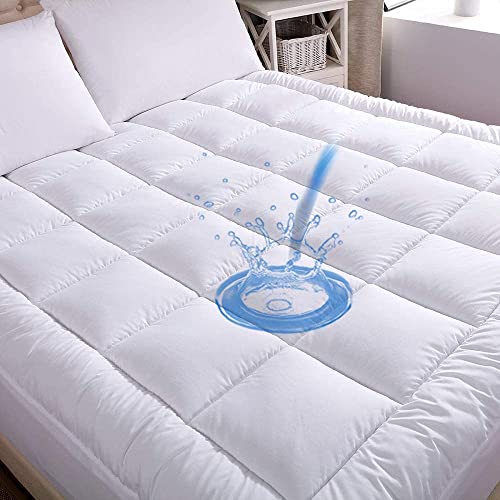
【Anti-slip Queen Bed Mattress Pad】 Ultimate Comfortable Breathable, Noiseless fitted mattress cover queen: Cotton top, TPU waterproof material bottom, 16 inches deep pocket fit 8 - 21" mattress. Queen: 60"x80"+16"(Pocket Deep)
Quilted Fabrics in Sustainable Design
Quilted fabrics are gaining prominence in the domain of sustainable design, where their unique combination of aesthetics and eco-friendliness resonates with conscientious consumers. By harnessing fabric scraps and reclaimed materials, designers not only minimize waste but also produce striking bedding items like comforters and duvet covers that echo sustainability principles. Many modern quilters proudly utilize organic materials and non-toxic dyes, aligning their practices with responsible interior design trends. Workshops dedicated to this craft often emphasize the reuse of textiles, fostering community engagement and collective appreciation for quilting traditions. Brands such as Cotton + Steel lead the way by integrating recycled fabrics, creating distinctive pieces that celebrate both artistry and environmental integrity, ultimately demonstrating that sustainability in design can be stylish and functional. Additionally, the benefits of mattress protectors serve as a prime example of how quilted textiles can enhance both comfort and longevity in bedding.
Recommended Products

3-PIECE SET WITH DIMENSIONS – Includes 1 quilt (90"W x 90"L) and 2 standard shams (20"W x 26"L each). Designed for Full/Queen beds with a standard fit; coverage may vary depending on mattress height and bed setup.

Lightweight Quilt Set: Embossed with ultrasonic technology, this elegant bedding set is lightweight, breathable and cool to the touch.

【Bohemian Striped Quilt】Green boho quilt queen size include:1 quilt 96"x90",2 pillowcases 20"x28".The same patterned pillowcase design makes this boho bedding more harmonious and beautiful.
The Future of Quilted Textiles in Interior Design
As the landscape of interior design continues to evolve, the future of quilted textiles is poised to elevate bedroom aesthetics while embracing principles of sustainability and functionality. Designers are increasingly focused on utilizing sustainable materials and reintroducing recycled fabrics, advocating for eco-friendly living. Technological advancements offer high-performance quilted fabrics that guarantee durability and insulation, enhancing essential bedroom items like bedding and upholstery. Additionally, the rise of personalization drives consumers towards custom quilted designs, enabling them to express unique styles. Innovations in smart textiles introduce features such as temperature regulation and moisture-wicking, markedly improving comfort. Applications of quilted textiles have expanded beyond traditional bedding to include wall hangings and headboards, signaling a dynamic future for quilted textiles in interior design. Furthermore, the popularity of oversized king quilts showcases a growing demand for comfort and style, which will likely influence future design trends.
Recommended Products

Rich Sumptuous Polyester - Indulge in the opulence of our quilt crafted from luxurious polyester, elevating your bedding to new levels of sophistication. With its plush appearance and polyester touch, our quilt set adds a touch of lavishness to your bedroom, creating a sanctuary of indulgence and style. Whether used as the focal point of your bedding ensemble or layered with other textures, polyester brings an air of elegance and refinement that transforms your space into a haven of luxurious tranquility.

RELAXED SOFTNESS - Our cotton quilt bedding set features pre-washed cotton fabric shell on both sides.The skin-friendly cotton fabric ensures a soft touch, while its lightweight and breathable nature keeps you warm without overheating, allowing you to enjoy a restful sleep throughout the year.

100% Cotton Softness – Crafted from 100% natural cotton and garment-washed for added softness, this quilt set feels incredibly soft and breathable against your skin. Made using Better Cotton (BCI) practices, it supports more sustainable farming and responsible sourcing. The result is a soothing, lightweight quilt that gets even cozier with every wash—perfect for year-round comfort and everyday relaxation.
Frequently Asked Questions
Recommended Products

Perfect Heavy Duty Sewing Kit: This fully-packed sewing kit contains all the necessary tools to sew for most of your sewing needs. You will get: 25* Hand Sewing Needles, 12* Upholstery Thread, 1* Inch Ruler, 1* Scissors, 1* Thimble, 3* Awl Tool, 2* Seam Ripper, 1* Threader.

Package : 50 PCS different Fabric Quilting Cloth+1Sets Sewing Supplies Kit(16*Golden Tail Needles, 1*Tape Measure, 2*White shirt buttons, 2*Black shirt buttons, 5*Snap-fasteners,1*needle threader, 1*Thimble,10*Safety Pins, 1*Metal scissors,7*Sewing Thread

PERFECT SEWING KIT -- The kit contains all the necessary tools that are required for performing basic sewing - Be it a rotary cutter, A3 cutting mat, Fabric Scissors, 3 replacement blades, quilting rulers, sewing clips, sewing pins and all sewing tools, everything neatly packaged ready for your use.
What Is the Golden Rule in Quilting?
The golden rule in quilting emphasizes precision in cutting, sewing, and assembling quilt pieces. Consistent seam allowances, accurate patterns, and quality fabrics are essential quilting techniques that enhance a quilt’s durability, aesthetic appeal, and overall success.
Who Started the Patchwork Trend?
The patchwork trend, rooted in resourcefulness and creativity, began with colonial women. They utilized scrap fabric, leading to the Patchwork Origins of quilting—an artistic expression that thrived during the 19th century through communal quilting bees and innovative designs.
What Is Dirty Quilting?
Dirty quilting, a technique within quilting techniques, involves basting layers of fabric with large stitches to prevent shifting during the quilting process. This method fosters accuracy and efficiency, particularly for intricate patterns and complex projects.
What Is the Deeper Meaning or Symbolism of the Quilt?
The quilt often embodies cultural heritage, intertwining personal narratives and communal histories. Its diverse patterns symbolize warmth, love, and resilience, reflecting the intertwining lives of those who create and cherish these intricate fabric masterpieces.