As an Amazon Associate, we earn from qualifying purchases. Some links on this site are affiliate links at no extra cost to you. Our recommendations are based on thorough research and editorial judgment.

Understanding Chenille Fabric Durability

Chenille fabric boasts impressive durability, marked by a high rub count of approximately 40,000, making it suitable for high-traffic upholstery. This fabric, typically woven from cotton, polyester, or synthetic fibers, features a unique tufted texture that hides signs of wear effectively, providing a fresh look. However, while it conceals dirt well and offers a luxurious feel, it can snag easily. For those passionate about design, understanding its maintenance needs can be just as vital.
Key Takeaways
- Chenille has a high rub count of around 40,000, indicating exceptional durability compared to many other fabrics.
- Quality synthetic blends enhance chenille’s resilience, making it suitable for high-traffic areas.
- Although durable, chenille is prone to snags and pulls, requiring careful handling during use.
- Regular vacuuming and immediate cleaning of spills can help maintain chenille’s appearance and longevity.
- Protecting chenille from direct sunlight is important to prevent fading and preserve its vibrant colors.
What Is Chenille Fabric?
Chenille fabric, reminiscent of a caterpillar’s velvety surface, is a textile that combines a unique aesthetic appeal with practical durability. Characterized by its soft and fuzzy texture, chenille is often woven from cotton, polyester, or synthetic fibers, yielding a luxurious feel that enhances any space. Not only is it cozy and inviting, but it also demonstrates impressive robustness, effectively resisting wear and tear with a high rub count. Designers frequently choose chenille for upholstery, throws, and curtains due to its versatility, available in an array of colors and patterns, facilitating various interior styles. This fabric captures light, adding depth and richness to the décor, making it an elegant choice for both contemporary and traditional settings. Additionally, many high back reading chairs, such as the chenille oversized armchair, utilize this fabric for enhanced comfort and support.
The Construction of Chenille: A Deep Dive

In the intricate world of textiles, the construction of chenille fabric stands out for its distinctive method of creation and alluring texture. This fabric is crafted by twisting short segments of yarn between two core yarns, resulting in a unique tufted texture that not only enhances softness but also elevates visual appeal. Composed of fibers such as cotton, polyester, or their blends, chenille exhibits exceptional durability and wear resistance. With a high rub count of around 40,000, it proves suitable for everyday use. Additionally, the raised fibers effectively conceal dirt and wear, making it practical for furniture applications. However, proper maintenance is essential to prevent snags, underscoring the need for thoughtful care to preserve its alluring texture. Adjustable phone holders, for instance, enhance convenience while offering hands-free solutions that cater to various user needs.
Softness and Comfort of Chenille

Softness defines the essence of chenille fabric, embodying a luxurious comfort that transforms ordinary furniture into inviting sanctuaries. This fabric is renowned for its extremely soft texture, which is crucial for comfort-focused furniture like sofas. Its unique tufted construction produces a plush, cozy feel, akin to being enveloped in a gentle embrace. Chenille is crafted from various blends, including cotton and synthetic fibers, which not only enhance softness but also guarantee durability, making it a reliable choice for everyday use. Additionally, the thickness of chenille retains warmth, contributing to a cozy environment ideal for relaxation. Overall, chenille creates a warm and inviting atmosphere, capturing a sense of luxury that enriches any living space. Furthermore, modern designs like those found in contemporary bookshelves can beautifully complement chenille-upholstered furniture, enhancing the overall aesthetic of your home.
The Durability Factor: How Chenille Stands Up
While many fabrics vie for attention in the upholstery market, few stand out quite like chenille when it comes to durability. This fabric exhibits a high rub count, approximately 40,000, marking it as a robust choice for everyday use. Although chenille features a soft texture, it effectively conceals signs of wear, allowing sofas to maintain a pristine look with proper maintenance. Quality synthetic blends enhance its durability, making it ideal for high-traffic areas. However, chenille is susceptible to snags and pulls, necessitating prompt cleaning and regular gentle brushing. Its natural resistance to wear makes it suitable for living spaces, though homes with pets might experience challenges due to the accumulation of hair and lint. Additionally, its robust construction makes it a preferred choice for furniture in modern home decor settings.
Recommended Products

🧣Dimensions: Size of the Chenille fabric is 58" x 40", offering ample material for various projects

🧣Dimensions: Size of the Chenille fabric is 58" x 80", offering ample material for various projects
🧣Dimensions: Size of the Chenille fabric is 58" x 40", offering ample material for various projects
Maintenance Guidelines for Chenille
Maintaining the exquisite appearance and texture of chenille fabric requires a thoughtful approach, given its unique characteristics. Adhering to maintenance guidelines guarantees longevity and beauty. Immediate cleaning of spills is vital, as the fabric’s fuzzy texture absorbs liquids quickly, risking stains. Routine maintenance involves regular cleaning; vacuuming with a soft brush attachment effectively removes dust and pet hair without compromising the material. Protecting chenille from sunlight is essential to prevent fading. While synthetic blends allow for spot cleaning using mild detergents, professional cleaning is recommended for natural fiber chenille to avoid potential damage. By implementing these strategies, designers can lovingly preserve the charm and allure of chenille pieces, guaranteeing they remain statement accents in any space. Additionally, considering the installation features of various display options can enhance the overall presentation of chenille items within your decor.
Challenges in Chenille Care
Although chenille fabric is celebrated for its luxurious texture and aesthetic appeal, it presents unique challenges that can complicate its care. The fabric’s fuzzy texture tends to attract pet hair and dust, requiring frequent cleaning to maintain its attractive look. Additionally, the softness of chenille can lead to flattening of the fibers with heavy use, thus regular fluffing is essential to restore its plushness. Spills must be addressed immediately—neglecting them can result in permanent stains, given the fabric’s absorbent nature. For tougher stains, especially on natural fiber chenille, professional cleaning is often necessary, as home methods may fall short. Moreover, careful handling is paramount to avoid snags and pulls, particularly in households with pets or rough use. Furthermore, using specialized drawer dividers can help keep textiles tidy and organized, preventing them from becoming entangled and maintaining their shape.
Chenille Fabric Blends and Their Strength
Chenille fabric blends, which artfully combine the luxurious softness of natural fibers like cotton with the resilience of synthetic materials such as polyester, have garnered attention for their impressive durability. These blends often exhibit a rub count reaching up to 40,000, showcasing their remarkable resistance to wear. Moreover, incorporating synthetic fibers enhances the fabric’s stain-resistant properties, making it ideal for practical use in households. Higher synthetic content increases durability, particularly in high-traffic areas, offering a balance of comfort and resilience. Additionally, such blends help mitigate maintenance challenges associated with traditional chenille, like snagging, thereby optimizing everyday use. The blend of softness and strength positions these fabrics as excellent choices for functional yet stylish applications in contemporary design. Furthermore, these materials are often designed with eye protection elements that contribute to user comfort in varied lighting conditions.
Recommended Products

10 oz. Terry Chenille Cotton Fabric - 57/58" Wide - Sold by the Yard

Premium Chenille Tapestry Fabric – Crafted from thick chenille with intricate woven patterns, this large 5-panel hat blends boho artistry with modern streetwear style.

Products Include: 26Pcs self-adhesive chenille letter patches A-Z, blue with gold trim.
Chenille for High-Traffic Areas: Is It Suitable?
When considering fabric choices for bustling environments, attention must be paid to both aesthetics and practicality; consequently, the suitability of chenille fabric in high-traffic areas often comes into question. While chenille fabric’s softness is inviting, its moderate durability may not withstand the rigors of frequent foot traffic, leading to potential wear. Particularly in residential use, its fuzzy texture can attract pet hair and dust, complicating easy maintenance for households with pets. To enhance resilience, synthetic blends of chenille may offer a more practical alternative, balancing softness with improved durability. Prompt attention to spills is critical to prevent lasting damage, making it essential to weigh individual needs and environment before selecting chenille for high-traffic areas. Additionally, rugs such as the durable polyester fibers UArtlines Boho Vintage Area Rug provide comfort and longevity, making them suitable for environments with heavy use.
Recommended Products
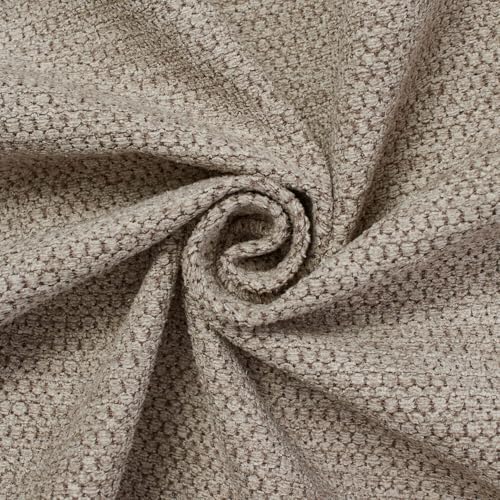

1.STRUDY DURABILITY & PREMIUM WEIGHT: Our chenille fabric is engineered to be thicker, denser, and more substantial than standard options. This heavyweight construction ensures exceptional resistance to wear, sagging, and wrinkles, providing a luxurious, full-bodied drape that elevates any project from ordinary to outstanding.

1.STRUDY DURABILITY & PREMIUM WEIGHT: Our chenille fabric is engineered to be thicker, denser, and more substantial than standard options. This heavyweight construction ensures exceptional resistance to wear, sagging, and wrinkles, providing a luxurious, full-bodied drape that elevates any project from ordinary to outstanding.
The Aesthetic Appeal of Chenille
Not only is chenille valued for its texture and comfort, but it also boasts a distinctive aesthetic that can elevate any living space. Its unique texture adds a visually rich surface that catches light beautifully, enhancing overall elegance. With a diversity of colors and patterns available, chenille can complement a myriad of interior design styles, from contemporary to traditional. The soft and cozy appearance invites relaxation, making it a perfect choice for comfort-focused areas like living rooms. The tufted structure contributes to a luxurious and inviting look, consistently appealing to the eye. When cared for properly, chenille can maintain a fresh appearance, assuring its durability while enhancing the aesthetic appeal in home décor settings. Additionally, its ability to expand visual space through reflection can further enhance the room’s atmosphere when combined with strategically placed mirrors.
Comparisons With Other Fabrics: Where Chenille Stands
In the domain of upholstery fabrics, chenille consistently stands out, thanks to its unique texture and luxurious appearance, especially when compared to other materials like cotton, wool, and microfiber. Chenille boasts a high rub count of approximately 40,000, indicating robust durability against everyday wear and tear. While microfiber often edges out in high-traffic areas due to its tight weave, chenille’s softness and stylish tufted texture effectively conceal signs of wear. Maintenance, however, can be more demanding for chenille as it requires careful attention to prevent snags and dust accumulation, whereas microfiber offers ease in cleaning and superior resistance to spills. For homes with pets, chenille may attract hair and lint but provides a cozy feel that can’t be easily replicated. Additionally, many furniture pieces, such as the Farmhouse Console Table, incorporate chenille fabric to enhance both comfort and style.
Recommended Products
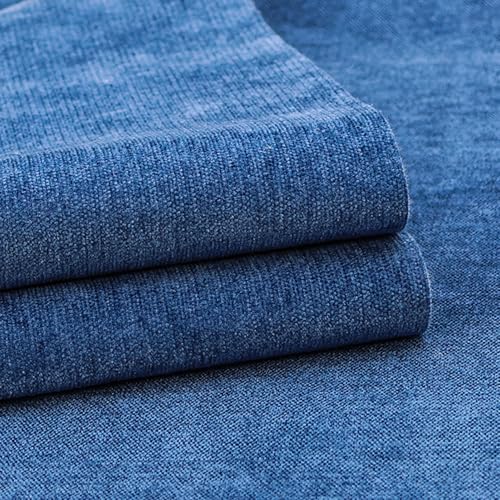
🧣Dimensions: Size of the Chenille fabric is 58" x 40", offering ample material for various projects

1.STRUDY DURABILITY & PREMIUM WEIGHT: Our chenille fabric is engineered to be thicker, denser, and more substantial than standard options. This heavyweight construction ensures exceptional resistance to wear, sagging, and wrinkles, providing a luxurious, full-bodied drape that elevates any project from ordinary to outstanding.

1.STRUDY DURABILITY & PREMIUM WEIGHT: Our chenille fabric is engineered to be thicker, denser, and more substantial than standard options. This heavyweight construction ensures exceptional resistance to wear, sagging, and wrinkles, providing a luxurious, full-bodied drape that elevates any project from ordinary to outstanding.
Tips for Extending the Life of Your Chenille Sofa
To guarantee a chenille sofa remains a cherished centerpiece in any living space, implementing a few simple care strategies can greatly extend its longevity. Regular maintenance is essential; gently brushing or vacuuming the sofa with a soft brush removes dust and pet hair, preventing wear on the delicate fibers. In case of spills, immediate blotting with a clean, absorbent cloth is vital to avoid stains and protect the texture. Additionally, rotating and fluffing cushions helps maintain their shape, countering excessive wear. Protecting the sofa from direct sunlight prevents fading, while a fabric protector spray designed for chenille enhances its durability against future spills. Following these tips guarantees your chenille sofa remains vibrant and inviting for years to come.
Choosing the Best Chenille for Your Needs
Selecting the right chenille fabric is an important step in enhancing the overall aesthetic and durability of any upholstered furniture, particularly when an investment has already been made in pieces like sofas. High-quality synthetic fibers offer improved durability and stain resistance, making them an ideal choice for various households. When shopping, a rub count of 40,000 or more indicates superior wear resistance. Moreover, fine-yarn chenille strikes a delightful balance between softness and longevity, while robust weaves are vital in homes with pets or children. Understanding cleaning methods and maintenance requirements is essential; some fabrics may need professional care to guarantee longevity. Ultimately, selecting the best chenille can greatly enhance comfort and visual appeal, creating an inviting atmosphere in any space.
Recommended Products
1.STRUDY DURABILITY & PREMIUM WEIGHT: Our chenille fabric is engineered to be thicker, denser, and more substantial than standard options. This heavyweight construction ensures exceptional resistance to wear, sagging, and wrinkles, providing a luxurious, full-bodied drape that elevates any project from ordinary to outstanding.
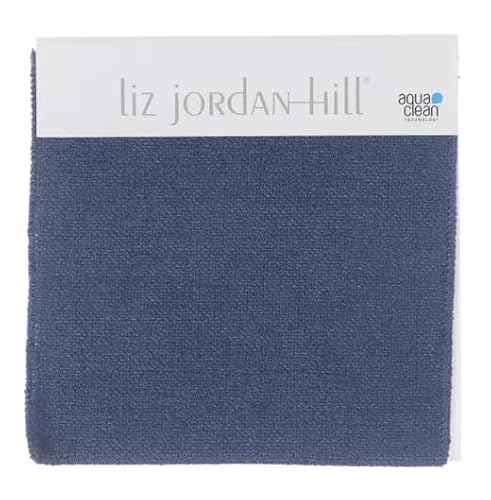
Nano-Coated Fiber Technology – Our chair fabric upholstery features polyester fibers embedded with nano-level protection that repels spills and grime at the core — not just the surface. With AquaClean water-cleanable performance, most stains can be lifted with just a damp cloth or steam — no harsh solvents or spray cleaners needed.

It has a plush texture with a white horizontal slub accent, making it modern. This fabric has a soft hand yet is very durable. It comes with a kiss coat backing, perfect for interior design items, including but not limited to chairs, sofas, decorative pillows, ottomans, stools, couches, bedding, and throw pillows.
Frequently Asked Questions
What Are the Disadvantages of Chenille Fabric?
Chenille fabric, beloved by pet owners, requires constant care—pilling problems, fraying issues, and color fading tempt fate. Usage limitations abound, demanding cleaning methods that rival the mysteries of ancient civilizations while avoiding heat sensitivity mayhem.
Is Chenille a Durable Fabric?
Chenille is a durable fabric, offering excellent softness and varied upholstery options. Its care enhances longevity, while its stain resistance benefits outmatch velvet. Chenille’s origins contribute to its appealing texture, making it viable for upholstery and clothing.
How Long Does Chenille Last?
Chenille typically lasts 5 to 10 years, influenced by usage and care. Following a proper maintenance guide, considering usage scenarios, and comparing its durability against materials like velvet enhances its longevity and colorfastness.
Do Chenille Couches Hold Up?
Chenille couches can hold up well, boasting a rub count around 40,000. Proper chenille couch maintenance and care enhance their longevity, though their stain resistance and softness may struggle against wear in high-traffic settings.