As an Amazon Associate, we earn from qualifying purchases. Some links on this site are affiliate links at no extra cost to you. Our recommendations are based on thorough research and editorial judgment.

The History of Tiffany-Style Lamp Design

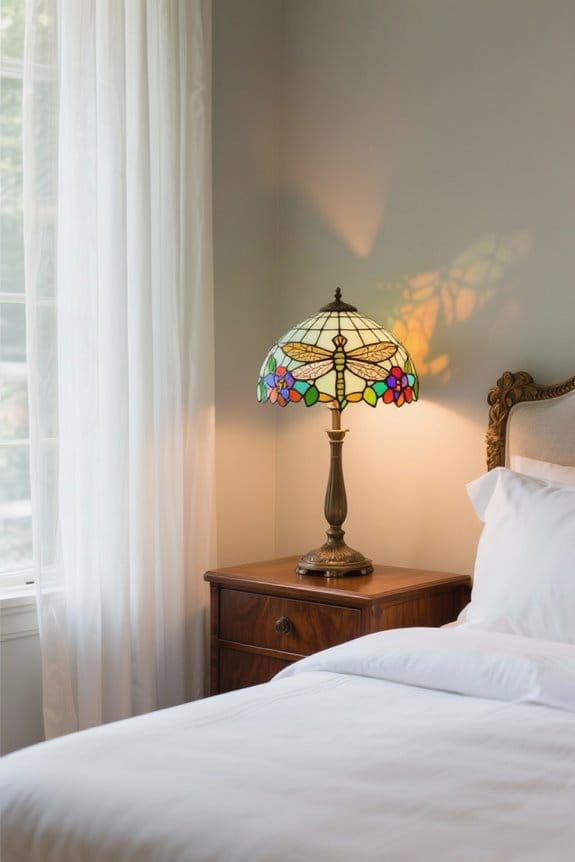
The history of Tiffany-style lamp design began with Louis Comfort Tiffany and his studio in the early 20th century. Shifting from stained glass windows to leaded glass lamps, Tiffany embraced electric lighting and pioneered the copper-foil technique, enhancing design complexity and vibrancy. Clara Driscoll, a key designer, led the “Tiffany Girls” in creating iconic designs, such as Dragonfly and Wisteria. These lamps, known for their intricate craftsmanship and nature motifs, reflect a lasting legacy in decorative arts and contemporary design. For deeper insights into this enthralling journey, one can explore further.
Key Takeaways
- Tiffany Studios was founded by Louis Comfort Tiffany in the early 20th century, distinct from his father’s business, Tiffany & Company.
- The introduction of the copper-foil method allowed for intricate designs in lamps, enhancing craftsmanship and artistry.
- Clara Driscoll, a key contributor, designed iconic lamps like Dragonfly and Wisteria, leading a team of female artisans known as “Tiffany Girls.”
- Original Tiffany lamps, produced from 1902 to the late 1930s, are marked with the studio’s stamp and showcase unique artistry and craftsmanship.
- The legacy of Tiffany lamp design continues to influence contemporary styles, celebrating intricate nature-inspired motifs in decorative arts.
The Origins of Tiffany Studios
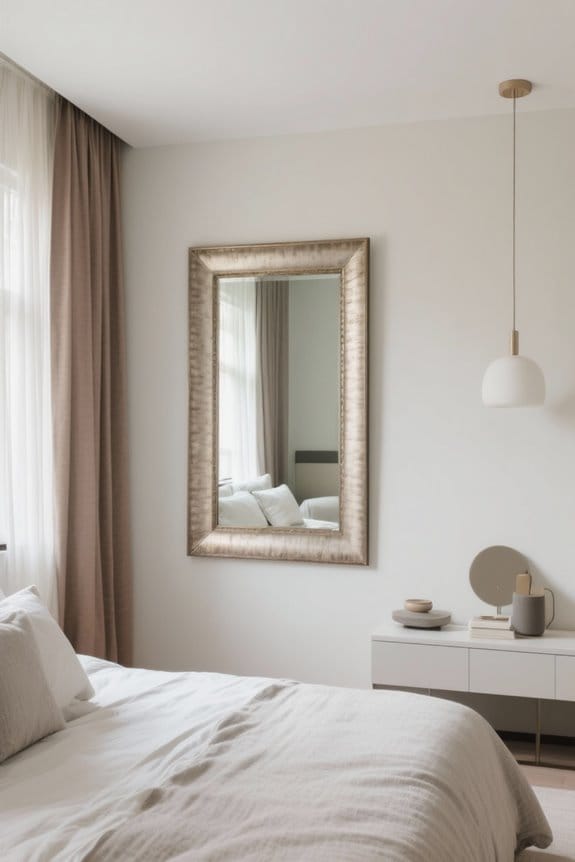
The inception of Tiffany Studios marks a significant chapter in the history of decorative arts and lighting design. Founded by Louis Comfort Tiffany in the early 20th century, this studio distinguished itself from his father’s renowned company, Tiffany & Company. Initially, Tiffany Studios focused on the production of stunning stained glass windows, quickly expanding its repertoire to include exquisitely designed leaded glass lamps. Operating in Queens, New York, for nearly four decades, the studio embraced the emerging electric lighting technology of the time, adapting its designs to meet this new demand. A hallmark of Tiffany’s innovation was the copper-foil method, which facilitated more intricate patterns than traditional lead came methods, allowing for unparalleled beauty in craftsmanship and design, leaving a lasting impact on the decorative arts. The studio’s influence can also be seen in modern design elements, such as metal frame wall mirrors, which incorporate similar principles of artistry and craftsmanship.
The Role of Clara Driscoll

Clara Driscoll emerged as a remarkable force within Tiffany Studios, bringing innovation and artistry to the world of lamp design. As the primary designer for many iconic lamps, including the Dragonfly and Wisteria, Driscoll led the team of female artisans known as the “Tiffany Girls.” Together, they meticulously crafted intricate stained glass shades using the innovative copper-foil technique. Driscoll’s designs were distinguished by vibrant palettes that showcased the remarkable beauty of Favrile glass, enchanting admirers. Additionally, her work reflected the ideals of the Art Nouveau movement, blending elegance with nature-inspired themes. In 2007, the art community acknowledged her pivotal role, previously overlooked, in transforming lamp design into a profound expression of artistry and craftsmanship. Driscoll’s commitment to excellence and safety features in artistic design would later influence various domains of decorative arts.
Iconic Designs and Styles

Building on the remarkable contributions of Clara Driscoll, Tiffany lamps are celebrated for their iconic designs and styles that embody the artistry of the late 19th and early 20th centuries. The most notable designs, such as the Dragonfly, Wisteria, and Daffodil, showcase intricate stained glass patterns inspired by nature, exhibiting their elegant aesthetics. These creations utilize the copper-foil method, allowing skilled artisans to assemble hundreds of glass pieces into stunning cohesive forms. Additionally, Favrile glass, trademarked by Louis Comfort Tiffany, enhances these lamps with unique iridescent qualities. Designs are categorized by characteristics like irregular borders, geometric forms, and natural motifs, reflecting a remarkable diversity. Consequently, Clara Driscoll’s influence and collaboration birthed timeless masterpieces, cherished worldwide. Notably, many of these designs echo the intricate filtration efficiency seen in the world of portable air purification, showcasing the artistry in functional forms.
Recommended Products

【Tiffany Table Lamp Pink Tulip Pattern】: The table lamp height is 15 inch (38cm) and the lampshade wide is 8 inch (20cm). The base is sturdy and heavy. It is made of resin. So you don't have to worry about it being easily knocked over. 1PCS Led Bulb Included. The cord has the on/off switch. Change Light Color Temperature Via ON/OFF Switch.
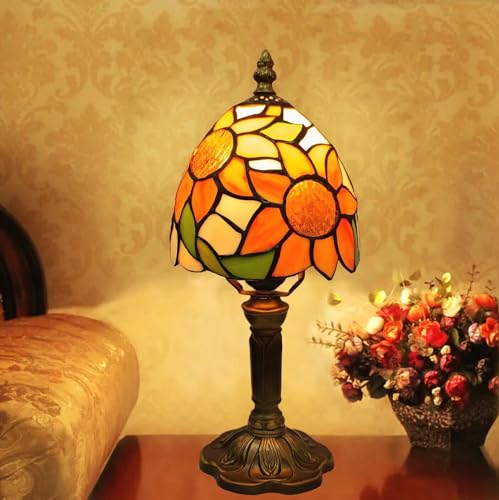
【DESIGN】- The Tiffany lamp features an E26 base with a switch on the cord. The glass shade wide 6inch (15cm) ,height 14.5inch (37cm)

【SPECIAL DESIGN & GREAT CHRISTMAS GIFTS FOR WOMEN MOM SISTER HER】 - Multicoloured glass shards are attached to the globes and mosaic glass lampshades are paired with the bronze metal bodies. The intricate glass work and interplay of light weave an enchanting ambience. The 3 globes Turkish table lamp will make a big difference in your bedroom or living room
The Craftsmanship Behind Tiffany Lamps
Meticulous craftsmanship defines the allure of Tiffany lamps, with artisans employing the copper-foil method that revolutionized stained glass work. This innovative technique enables the careful assembly of intricate designs by cutting hundreds of pieces of colored glass. Each piece is individually ground, wrapped in copper tape, then soldered together to form a cohesive lampshade. Beginning with an artist’s design, which is drawn on a mockup, artisans select glass from thousands of sheets to achieve distinctive patterns and hues. The labor-intensive construction process, often emphasizing natural motifs, guarantees that each finished piece showcases exceptional weight, texture, and brilliance. Such craftsmanship, unparalleled in its precision, truly highlights the beauty and uniqueness of these iconic leaded-glass lamps. Additionally, the popularity of decorative items like narrow accent cabinets demonstrates how function and artistry intertwine in home decor.
Recommended Products

Copper Foil Tape For Stained Glass Work

Made in South Korea – Crafted with precision, Binari copper foil tape reflects the quality and reliability of expert Korean manufacturing for stained glass and fused glass artists.

The Production Process
Creating a Tiffany-style lamp involves a series of intricate steps that blend artistry and technical skill, beginning with a carefully drawn pattern on heavy cardboard, which guides the process of cutting the glass pieces. Artisans at Tiffany Studios select and cut hundreds of colored glass pieces, expertly grinding them to shape before cleaning and wrapping each segment in copper foil. This copper-foil method is essential, enabling the glass pieces to be soldered together at the edges, consequently ensuring structural integrity. During the final assembly, the edges are meticulously soldered, with artisans cleaning the lamp to enhance the brilliance of its colors. Characteristics like weight, texture, and the unique luster of the glass reflect the exceptional craftsmanship involved in creating genuine Tiffany lamps. Furthermore, the use of energy-efficient lighting options helps enhance the overall ambiance, making Tiffany lamps not just decorative but also practical.
Popularity and Market Trends
The intricate craftsmanship of Tiffany lamps has not only captivated collectors but has also influenced market dynamics within the lighting design sector. After their striking debut at the 1893 World’s Columbian Exposition, Tiffany lamps gained immense popularity, driving demand across the United States and Europe. The early 20th century saw market value peak, with original models starting at $5,000, whereas rare pieces, such as the Pink Lotus lamp, could command prices up to $2.8 million. Between the 1950s and 1970s, a resurgence in interest, fueled by exhibitions and collector enthusiasm, further impacted their market value. Meanwhile, the advent of electric lighting made the elegant designs of Tiffany-style lamps more accessible, solidifying their place in interior decor history. Additionally, the use of durable materials and intricate designs has enhanced their desirability in today’s market, similar to metal headboard durability seen in modern bedroom decor trends.
Recommended Products


Classic Tiffany Table Lamp: Tiffany lamp is 18 inches tall and the lampshade is 12 inches wide. Color glass lampshade is handmade, the base is made by resin and aluminum alloy and become, base massiness is firm, stability is good.
The Significance of Lamp Bases
Tiffany lamp bases serve as foundational elements that not only support the stunning glass shades but also contribute greatly to the overall design aesthetic. Crafted primarily from bronze, these bases exhibit exceptional craftsmanship, showcasing intricate designs that complement the colorful glass shades above them. For example, certain shades, like the ‘Wisteria,’ necessitate specific bases, emphasizing the importance of design compatibility. While some bases are interchangeable, offering collectors versatility in decor, others hold unique artistic value, particularly those featuring enamel or mosaic finishes. Ultimately, collectors often assess the originality and condition of these lamp bases, as their significance greatly influences the overall worth of a Tiffany lamp, enhancing both its beauty and value within the sphere of decorative art. The artistry behind Tiffany lamp bases reflects a rich tradition of craftsmanship that parallels the intricate designs of machine washable comforters.
Recommended Products

Matelial & Color Resin base finished dark bronze, Lamp support Included.

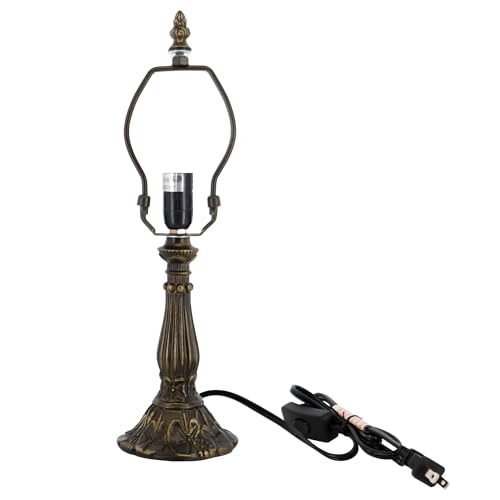
REPLACEMENT BASE ONLY: Dark bronze finish resin lamp base designed specifically as a replacement component, lampshade sold separately.Weight: 0.88 KG,Push Button switch: comply with UL requirements The line is 67 inches long.
Identifying Authentic Tiffany Lamps
Understanding the nuances of lamp bases paves the way for recognizing authentic Tiffany lamps, which are renowned for their distinctive artistry and craftsmanship. Authentic pieces, produced by Tiffany Studios from 1902 to the late 1930s, are typically marked with the studio’s stamp. Their unique craftsmanship utilizes the copper-foil method, where individual glass pieces are meticulously cut, ground, and soldered, resulting in intricate designs. Genuine Tiffany lamps possess a certain weight and brilliance derived from carefully selected glass, showcasing textures and colors that harmonize beautifully. Observing natural motifs influenced by the Art Nouveau style and identifying irregularities in glass pieces assists in recognizing authenticity. Additionally, the focus on energy efficiency in modern lighting can contrast sharply with the craftsmanship of authentic Tiffany lamps. Caution is necessary, however, as reproductions since the 1970s often lack the original craftsmanship characteristic of authentic Tiffany lamps.
Recommended Products

【Beautiful and Functional Piece of Decor】 Cotoss Tiffany Table Lamp in 16 inches Wide by 24 inches Tall, it comes with 71 inch cord. There is a main switch on the top as well as individual pull chains for the two light bulbs in the large portion of the shade. The bottom portion is illuminated as a night light. Tiffany lamp is one of the best example of arts and crafts decor ever produced, the ornate accessories add a sense of character and history to an otherwise modern setting.

Werfactory Design: The lampshade wide 16 inch, The table lamp height 24 inch tall. The zinc metal base finished with antique green bronze, weight 2.0KG, wide 6 Inch . UL listed, Pull Chain Switch.

【SPECIAL DESIGN & GREAT CHRISTMAS GIFTS FOR WOMEN MOM SISTER HER】 - Multicoloured glass shards are attached to globes, and mosaic glass lampshades are paired with bronze metal bodies. The intricate glass work and interplay of light weave an enchanting ambience. The Turkish table lamp will make a big difference in your bedroom or living room
The Legacy of Tiffany Lamp Design
While many may view Tiffany lamps as mere decorative objects, their legacy transcends simple functionality, embodying a significant artistic movement that has captivated collectors and designers alike. Originating from Tiffany Studios, these handcrafted pieces exemplify the Arts and Crafts movement, seamlessly blending artistry and utility. The intricate patterns, especially in notable designs like the Dragonfly and Wisteria, showcase nature-inspired motifs that resonate with viewers, reflecting Tiffany’s deep appreciation for the natural world. Since the 1958 retrospective exhibition, interest in Tiffany lamp design has surged, reinforcing its stature in the decorative arts. This resurgence underscores the cultural relevance of Tiffany’s work, as these lamps continue to inspire and influence contemporary design, establishing a lasting impact on future generations. Notably, the intricate floral design of some modern tapestries reflects a similar homage to nature, showcasing how art can evolve while still honoring its roots.
Frequently Asked Questions
Where Did Tiffany Style Lamps Originate?
Tiffany-style lamps originated in the United States, highlighting design evolution through innovative glass techniques. Influenced by artistic movements and market trends, they showcased craftsmanship traditions, bridging functional decor with intricate artistry for everyday homes.
What Is the Difference Between a Tiffany Lamp and a Tiffany Style Lamp?
“All that glitters is not gold.” Tiffany lamps showcase exquisite craftsmanship through unique glass techniques and historical significance, while Tiffany-style lamps imitate these designs with popular colors and variations, lacking the same artistry and authenticity.
What Inspires Tiffany Lamp Designs?
Tiffany lamp designs are inspired by nature, showcasing Art Nouveau’s organic forms. Architectural influences, diverse color palettes, cultural symbolism, and historical motifs blend harmoniously, creating visually enchanting pieces that emphasize the beauty of both art and nature.
Why Is It Called Tiffany Style?
Ironically, the term “Tiffany style” highlights the intricate techniques of glass types and design symbolism, showcasing distinctive color palettes and lamp motifs, ultimately underscoring the historical impact of this artistry crafted by Louis Comfort Tiffany.