As an Amazon Associate, we earn from qualifying purchases. Some links on this site are affiliate links at no extra cost to you. Our recommendations are based on thorough research and editorial judgment.

The Impact of Blue Light Exposure Before Bedtime

Blue light exposure before bedtime considerably disrupts sleep quality by interfering with circadian rhythms and melatonin production. Research indicates that devices like smartphones and LED screens emit substantial blue light, which, when used at night, can lead to insomnia and cognitive impairments. For instance, a mere 6.5 hours of exposure can effectively diminish melatonin levels, impacting overall health. By understanding these effects, one can implement strategies to reduce blue light exposure, enhancing sleep quality and well-being. More insights await.
Key Takeaways
- Blue light exposure before bedtime suppresses melatonin production, making it harder to fall asleep.
- It disrupts circadian rhythms, potentially leading to insomnia and poor sleep quality.
- Chronic exposure is linked to increased risks of obesity, diabetes, and cardiovascular diseases.
- Poor sleep due to blue light can impair cognitive functions and academic performance in adolescents.
- Implementing blue light reduction strategies can significantly enhance overall sleep hygiene and well-being.
Understanding Blue Light and Its Sources
As individuals navigate the complexities of modern life, understanding blue light—particularly its sources and effects—becomes increasingly important. Blue light, with wavelengths between 380 and 500 nanometers, is primarily emitted by electronic devices, such as smartphones, tablets, and LED lighting. This exposure considerably impacts health, especially when experienced during evening hours. Remarkably, artificial lighting sources, including fluorescent bulbs and televisions, contribute to altering circadian rhythms by suppressing melatonin production, which confuses the brain into perceiving a perpetual daytime. Prolonged exposure at night has been linked to various negative health outcomes like sleep disruption and mental health issues. Awareness of these sources is vital for individuals seeking effective strategies to enhance sleep quality, such as employing blue-light-blocking glasses or software applications. Additionally, understanding the importance of sleep can further guide individuals in mitigating the adverse effects of blue light.
The Effects of Blue Light on Circadian Rhythms

Although many individuals may underestimate the impact of blue light, it plays a critical role in disrupting circadian rhythms, which regulate the body’s sleep-wake cycle. Research shows that blue light exposure considerably suppresses melatonin production, a hormone essential for signaling the body to prepare for sleep. For example, just 6.5 hours of exposure can lead to a marked reduction in melatonin levels. This artificial blue light can trick the brain into believing it is still daytime, thereby delaying sleep onset and interfering with the internal clock. Health professionals note that chronic circadian rhythm disruption often leads to sleep disorders and other health issues. The effects of blue light on circadian rhythms are more pronounced than those of other wavelengths, impacting restorative sleep considerably. Using strategies like valet trays can help create a conducive environment for sleep by keeping your essentials organized and reducing distractions before bedtime.
Common Devices That Emit Blue Light

In today’s digital age, the prevalence of devices that emit blue light is an ever-increasing concern for sleep health. Common sources include smartphones, tablets, and computer monitors, which are significant emitters of blue light. These electronic screens produce high levels of blue light, especially hazardous when used during evening hours. Additionally, LED lights and fluorescent bulbs, favored for their energy efficiency, are ubiquitous in homes and offices. Television screens also contribute to exposure to blue light during peak viewing times, while video game consoles add to this problem, prompting users to play late into the night. Such widespread use raises awareness of the potential negative effects of blue light on circadian rhythms, a growing issue in modern lifestyles. Selecting LED reading lights with blue light absorption features can help mitigate some of these adverse effects.
Recommended Products

INGLENOOK CHANDELIER DIMENSIONS: 17.5" High (68.75" Max Adjustable Height) x 47.5" Wide x 16" Long, Weight: 31.86 LBS, Ceiling Canopy: 8.00"W x 4.50"D

83.5" by 17.5" panels, 6 colors in 4 sizes, two way hinges
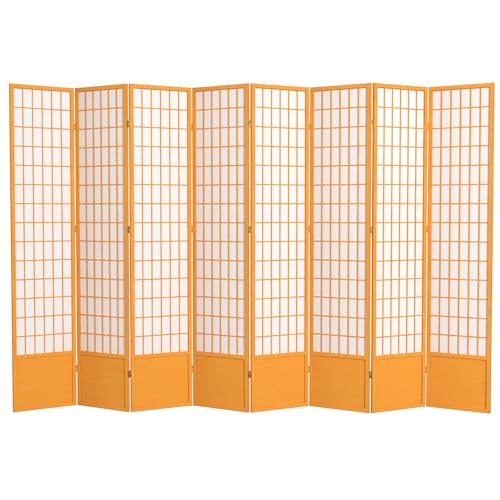
83.5" by 17.5" panels, 6 colors in 4 sizes, two way hinges
How Blue Light Disrupts Sleep Quality
When individuals use electronic devices before bedtime, the resulting blue light exposure poses a significant threat to their sleep quality. Research indicates that this exposure greatly suppresses melatonin secretion, a hormone essential for initiating sleep. As a result, the disruption of melatonin impacts circadian rhythms, leading to irregular sleep patterns. Studies reveal that even dim levels of blue light can reduce deep sleep quality and contribute to sleep-related issues such as insomnia. In fact, just 6.5 hours of exposure can markedly lower melatonin levels. Chronic blue light exposure at night has also been linked to adverse mental health outcomes, elevating the risk of cognitive impairments and other metabolic disorders. Thus, understanding these effects is imperative for promoting healthier sleep practices. To mitigate these impacts, incorporating essential oil blends known for their calming aromas can enhance relaxation and counteract the disruptive effects of blue light before bedtime.
Strategies to Mitigate Blue Light Exposure
Mitigating blue light exposure is essential for preserving sleep quality, especially given its disruptive impact on melatonin production, as outlined in previous research. Reducing screen time by two to three hours before bedtime can greatly decrease blue light at night, allowing for better sleep onset. Additionally, utilizing blue-light-blocking glasses while using devices in the evening helps maintain melatonin levels. Implementing blue light filter apps can also minimize emissions, supporting a healthier circadian rhythm. Furthermore, incorporating dim red light into a nighttime routine fosters a tranquil environment, signaling the body to prepare for rest. Finally, establishing a consistent sleep schedule with bright daylight exposure reinforces natural rhythms, enhancing overall sleep quality and reducing blue light interference. Studies have shown that adjustable brightness settings on alarm clocks can further reduce blue light exposure when preparing for sleep.
Recommended Products

Geometric Stained Glass Artistry – This tiffany ceiling fan features a lampshade crafted from dozens of hand-cut colored glass pieces, arranged in a symmetrical pattern of geometric diamonds and flowing waves. The lines are clean and rhythmic, with each glass piece displaying its own unique texture and luster. When illuminated, this stained glass ceiling fan creates subtle, shifting light and shadow effects that bring warmth and artistry to dining rooms, living rooms, or entryways.

2 PAIRS OF PREMIUM BLUE LIGHT BLOCKING GLASSES FOR DAY AND NIGHT: Fully control your blue light exposure, optimize your sleep/wake cycle and shield your eyes from the harmful effects of blue light, no matter what time of day or night.

【7-IN-1 WEARABLE HUB & 42G BALANCED DESIGN】Why carry extra gear? This sleek smart frame (base weight 42g) seamlessly integrates powerful tech: a 4K POV Camera, Open-Ear Audio, AI Meeting Assistant, Real-Time Translator, Smart Voice Recorder, Visual AI, and 2 Pairs of Interchangeable Lenses. (Tip: Engineered with Intelligent Power Management, the glasses safely power down after 2 minutes without an active App connection to optimize battery health.) Crafted from durable TR90 material, it is ergonomically designed for North American facial profiles to distribute the tech weight evenly. Easily switch styles in seconds and elevate your everyday look!
Creating a Sleep-Conducive Environment
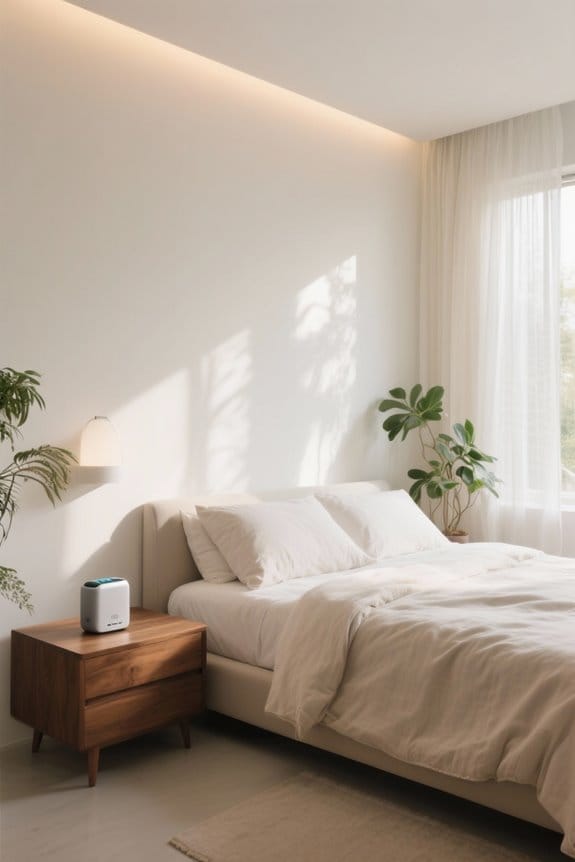
A sleep-conducive environment is essential for fostering restorative rest, and several design elements can greatly enhance the quality of sleep. It is important to minimize light exposure, particularly blue light, as it suppresses melatonin production, which is significant for sleep onset. Incorporating blackout curtains effectively blocks external light, creating a darker room that promotes deeper rest. Additionally, maintaining a cool temperature between 60-67°F (15-19°C) enhances physiological comfort, thereby improving sleep quality. Utilizing dim, warm-colored lighting in the evening—like red or orange hues—can help preserve circadian rhythms without disrupting melatonin levels. Finally, reducing noise using white or pink noise machines can minimize distractions, ultimately contributing to a more restful, restorative sleeping environment. Furthermore, waterproof mattress protectors can enhance sleep hygiene by providing a clean and dry surface.
Recommended Products


PINCH PLEATED CURTAIN: Sold per 1 pair (2 panels). Come with adjustable plastic pin hooks. 5 or 6 pleats for 27" width; 9 or 10 pleats for 52" width. Please noted that round metal rings are not included. Workable for track or rods with rings. Easy to install and slide.

PLEASE ORDER SWATCHES BEFORE ORDERING THE CURTAINS BECAUSE THIS ITEM WILL BE CUSTOM-MADE WHEN ORDERED AND WE APPLY A 25% RESTOCKING FEE UNLESS THERE ARE ERRORS ON OUR PART. The digital images we display have the most accurate color possible. However, due to differences in computer monitors, there can be different shades of color between the actual product and your screen, this is why we recommend seeing the swatches first.
The Importance of Sleep Hygiene
Sleep hygiene encompasses a set of practices that can greatly influence overall well-being and the quality of restorative rest. Limiting blue light exposure from screens at least 2-3 hours before bedtime is essential, as excessive light can disrupt melatonin production, which is vital for restful sleep. Establishing a consistent sleep schedule and engaging in a calming wind-down routine can markedly enhance sleep quality. Activities like reading under dim red lighting help signal the body to prepare for sleep. Additionally, creating a conducive sleep environment with blackout curtains and minimizing noise can further improve restorative sleep patterns. Awareness of individual sleep habits allows for necessary adjustments, promoting healthier sleep hygiene and long-term well-being. The use of dusk-to-dawn sensors in nightlights can aid in reducing blue light exposure, complementing a calming nighttime atmosphere.
Recommended Products
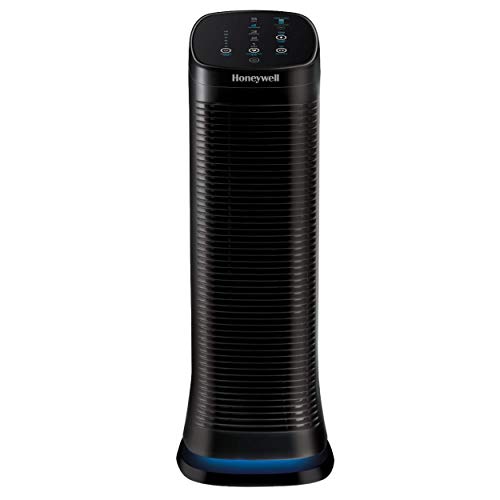
Doubles as an oscillating fan and a large air purifier; reduces dust, pollen, fur, pet dander and all smoke types, including from wildfires

Natural Red Light to Improve Sleep – Helight makes getting great sleep simple. Close your eyes, relax and let the pure red light from our premium light therapy lamp pass through your eyelids to trigger a biological response that will help you relax and fall asleep faster.

WARM AND WELCOMING: LumaWarm is a bathroom essential for anyone who’s been startled by a cold toilet seat; This luxury elongated toilet seat delivers warmth and ambiance; With 3 heat settings and on/off feature, the LumaWarm offers year-round comfort
The Long-Term Health Implications of Blue Light Exposure
Often underestimated, the long-term health implications of blue light exposure before bedtime deserve careful consideration. Research indicates that exposure to blue light can suppress melatonin secretion, leading to disrupted sleep and negatively affecting circadian rhythms. Over time, chronic disruptions may contribute to serious health issues, including obesity, diabetes, and cardiovascular disease. Adolescents, in particular, are vulnerable; their mental health may decline due to increased risks of anxiety and depression linked to altered sleep patterns. In addition, impaired cognitive functions such as memory consolidation and learning may adversely impact academic performance. Collectively, these factors underscore the importance of managing blue light exposure to safeguard overall long-term health and promote optimum well-being in individuals of all ages. Incorporating multiple storage options in bedroom design, like bedside tables with built-in charging stations, can help create a more organized and conducive sleep environment.
Frequently Asked Questions
Recommended Products


TAHOE EDITION: Inspired by crystal-clear water of Lake Tahoe, these GUNNAR glasses represent the pinnacle of engineering and the best optical materials on the market

MATERIAL: Crafted from premium acetate frames for cloud-like comfort that you'll forget you're wearing
Is Blue Light Before Bed Bad for You?
Blue light before bed can negatively affect sleep quality by disrupting melatonin production. Prolonged screen time from digital devices contributes to eye strain and raises potential health risks, making it advisable to reconsider nighttime routines for ideal rest.
How Many Hours Before Bed Should You Not Look at the Blue Light?
To embrace restful slumber, it is wise to shield oneself from blue light at least two to three hours before bed. This evening routine enhances sleep hygiene, protects melatonin production, and alleviates eye strain caused by technology’s impact.
How Does Pre Bedtime Blue Light Exposure Affect the Ratio of Deep Sleep?
Pre-bedtime blue light exposure negatively affects deep sleep ratio by reducing melatonin production, disrupting sleep architecture, and altering brain activity, potentially leading to sleep disorders despite utilizing relaxation techniques to mitigate light sensitivity.
How Does Blue Light Affect Your Circadian Rhythm?
Blue light disrupts circadian rhythms by inhibiting melatonin production, an essential sleep hormone. Evening exposure to this light wavelength misaligns the biological clock, ultimately deteriorating sleep quality and leading to overall circadian disruption in individuals.