As an Amazon Associate, we earn from qualifying purchases. Some links on this site are affiliate links at no extra cost to you. Our recommendations are based on thorough research and editorial judgment.

Understanding Allergen Reduction Through Plant Selection

Understanding allergen reduction through plant selection involves careful consideration of plant types and their pollen production. Utilizing the Ogren Plant Allergy Scale (OPALS), gardeners can choose low-allergen species, such as fruit-bearing trees and insect-pollinated flowering plants. For instance, dogwood and crabapple trees score low on allergenic potential, making them ideal choices. Incorporating elements like gravel pathways or low-allergy hedges enhances the garden design while minimizing allergic reactions. Exploring these insights further aids in creating a serene outdoor sanctuary.
Key Takeaways
- Choose low-allergen plants rated 1-3 on the Ogren Plant Allergy Scale to minimize allergic reactions in your garden.
- Opt for female and insect-pollinated species, as they produce less airborne pollen compared to male trees and plants.
- Incorporate heavy, sticky pollen-producing trees like apple and dogwood to keep pollen closer to the ground and reduce allergy impact.
- Arrange your garden design to position allergenic plants away from living spaces to limit exposure to pollen.
- Implement wind barriers like low-allergy hedges or hardscaping materials to create a protective environment against pollen dispersal.
Garden Allergens: Understanding the Basics
When evaluating the impact of garden allergens, it is essential to understand the different sources that contribute to allergic reactions within outdoor spaces. Allergens primarily include various types of pollen, particularly tree pollen in spring, grasses in summer, and ragweed in fall. These seasonal variations affect individuals prone to allergies, causing symptoms like sneezing and itchy eyes. The selection of plants plays a vital role in reducing exposure to allergens; choosing low-allergen varieties can greatly minimize allergy-related issues. In addition, the Ogren Plant Allergy Scale provides a helpful framework for identifying plants with lower allergenic potential, guiding gardeners toward healthier choices that support both the environment and sensitive individuals in their quest for outdoor enjoyment. Furthermore, incorporating low-allergen plant varieties into gardens can also enhance overall visual appeal while providing a more enjoyable outdoor experience.
What’s the Ogren Plant Allergy Scale (OPALS)?

The Ogren Plant Allergy Scale (OPALS) serves as an essential tool for gardeners and landscape designers aiming to create allergy-friendly environments, providing a systematic approach to selecting plants. Developed by Thomas Leo Ogren, the OPALS rating categorizes plants based on their potential for causing allergic reactions, ranking them from 1 (least allergenic) to 10 (most allergenic). Key factors in the scale include pollen potency, grain size, and the method of pollination, particularly favoring low-risk plants, such as female and insect-pollinated species. Widely endorsed by organizations like the American Lung Association, OPALS promotes allergen reduction in allergy-sensitive landscapes, allowing individuals to cultivate aesthetically pleasing gardens while minimizing allergens that exacerbate respiratory issues and allergic reactions. Additionally, understanding how air purification methods can improve indoor air quality complements the principles of creating allergy-friendly outdoor spaces.
The Best Low-Allergen Trees for Your Garden

Selecting the right trees for a garden can greatly enhance both its aesthetic appeal and environmental health, especially for individuals sensitive to allergens. Among the best low-allergen trees are fruit-bearing varieties like apple trees and pear trees, which attract beneficial insects while producing heavy, sticky pollen that minimizes airborne allergens. Dogwood trees and Crabapple trees are also excellent options, scoring between 1-2 on the Ogren Plant Allergy Scale, reflecting their low pollen production. Additionally, magnolia trees, known for their striking large blooms, are typically insect-pollinated, further reducing allergenic risks. In contrast, male trees, such as birch and oak, should be avoided due to their substantial pollen output, which can considerably affect allergy sufferers in susceptible landscapes. Introducing low-maintenance plants such as those mentioned can also help improve indoor air quality while being less likely to trigger allergies.
Recommended Products

Hoosier Hill Farm Cheddar Cheese Powder is a bestseller for a reason! This versatile, flavorful seasoning made from real cheese is perfect for sprinkling on popcorn, pretzels, or any snack you desire. Cheese powder also adds bold flavor to sauces, mac and cheese, baked potatoes, and casseroles. Need a quick cheese sauce? It’s perfect for mixing up delicious dips and zesty queso to spice up any appetizer spread.

HANDCRAFTED QUALITY: Our natural wool rug is hand hooked by skilled artisans who create long-lasting decorative rugs that are perfect on any entryway, hallway, kitchen, bathroom or wherever an accent rug is needed.

🌲【Top-notch Quality】6-foot simulated cedar tree designed to elevate your space with its lush, soft branches and realistic foliage. The reinforced tree trunk and 7.1×6.7 inch cement pot not only provides stability but also mimics the classic look of a Christmas tree. Its innovative three-part detachable design allows for effortless installation and easy movement, making it a best choice for any occasion or setting.
The Best Allergy-Safe Shrubs and Flowering Plants
Creating a vibrant garden sanctuary that caters to allergy sufferers involves careful selection of shrubs and flowering plants that prioritize low allergen levels. Low-allergen shrubs like azaleas and rhododendrons thrive in various climates, offering vibrant blooms without releasing airborne pollen. Flowering plants such as snapdragons, petunias, and zinnias are primarily insect-pollinated, greatly reducing pollen exposure. Additionally, many hydrangea varieties produce non-airborne pollen, perfect for an allergy-friendly garden. Incorporating herbs like basil, chives, and parsley not only enhances culinary delights but also contributes to a low-allergen environment. Utilizing trees like apple and dogwood, which boast sticky pollen rather than relying on wind pollination, further guarantees minimal allergenic impact, creating a serene space for all to enjoy without compromise. In line with aesthetic preferences, selecting stylish planting options can enhance your garden’s visual appeal while keeping allergen levels low.
Recommended Products
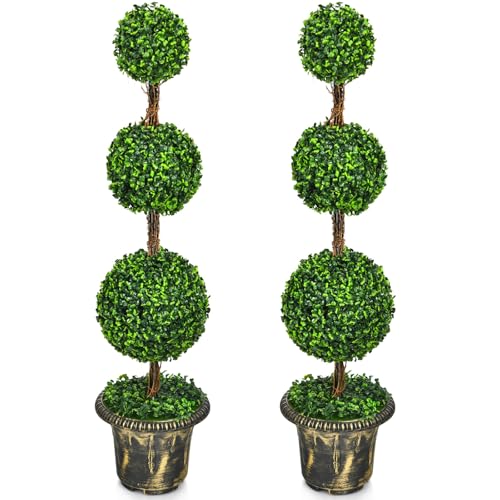
[Year-Round Lush Faux Boxwood Topiary]: This 4ft topiary balls artificial outdoor set of 2 mimic natural foliage with intricately textured PE leaves and hand-wrapped rattan stems. Maintains vibrant color without sunlight or pruning—ideal for low-maintenance landscaping.

High-Quality Materials: The artificial boxwood ball trees are crafted with selected PE materials to ensure durability. These faux plants are sun-protective and crack-resistant, as well as non-odor and non-allergic, making them ideal for both indoor and outdoor environments.

【Lifelike Appearance】Vibrant Greenery Our artificial plants feature botanically accurate designs with vibrant colors and realistic textures. Many leaves have bendable wires for custom shaping, allowing you to create a naturally full and fresh look that's virtually indistinguishable from real plants.
How to Design a Low-Allergy Garden
Designing a low-allergy garden involves thoughtful consideration of plant selection and layout to minimize allergenic reactions while maximizing aesthetic appeal. Key strategies include selecting low-allergen plants such as female fruit trees like apple and cherry, alongside flowering plants like zinnias and snapdragons, which are rated 1-3 on the Ogren Plant Allergy Scale. By positioning allergic plants away from living spaces and using hardscaping materials like gravel or mulch, one can reduce pollen exposure around entry points. Additionally, scheduling gardening activities during low pollen hours and implementing regular maintenance practices will decrease pollen production and accumulation. Finally, incorporating wind barriers, such as low-allergy hedges, creates a controlled environment, further enhancing the experience of designing a low-allergy garden. Including artificial plants in your design can provide vibrant greenery without the risk of allergens.
Recommended Products

Safety & Durability: The height of the artificial grass is about 1.38 inch/35mm. It is safe for child and pets to play on it. Made of 5-tone color, soft and lush materials. More elastic than natural grass, not as easy to wear and tear, providing you with green and lawn enjoyment all year round.
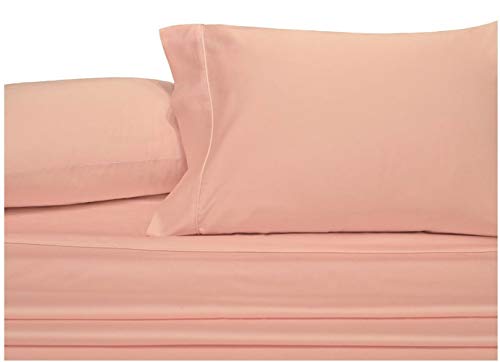
100% Luxury 300 TC Long-Staple Combed Cotton 4pc (Top-Split-King) Sheets, Sateen Weave

The Intelligent Design Brooklyn Comforter Set will create a charming look to your space
Year-Round Allergen Control
Effective allergen control throughout the year requires a proactive approach to garden maintenance and plant management. Regular spring cleaning, which involves removing winter debris and dead branches, can markedly decrease allergen accumulation, especially from trees and grasses. Monitoring pollen counts enables gardeners to plan their outdoor activities when exposure is minimized. Keeping grass height around 2 inches prevents seed head formation, thereby reducing allergens. Important practices also include early weed removal, specifically targeting flowering weeds like ragweed, to control pollen sources before they bloom. Additionally, indoor air purifiers can effectively filter allergens and reduce indoor allergens year-round, creating a healthier living environment for those with seasonal allergies. Through thoughtful plant selection and ongoing maintenance, allergen exposure can be greatly managed. Incorporating adjustable closet organizers can also help reduce indoor clutter, making it easier to maintain a clean environment that minimizes allergens.
Recommended Products

5-pack filter replacement bundle: Genuine replacement filters from IQAir! Designed for our advanced HealthPro Plus room air purifiers, this 5-pack 3-in-1 IQAir filter bundle includes three long-lasting replacement filters: PreMax Pre-Filter, V5-Cell Gas and Odor Control Filter, and HyperHEPA Filter.

Advanced HyperHEPA Filtration: Designed to remove and trap 99.995% of all airborne particles down to 0.003 microns, the Atem X supplies unequaled protection against dust, pollen, pet dander, smoke from wildfires, and more. True HEPA filtration

ADVANCED HYPERHEPA FILTRATION - Designed to remove and trap 99.995% of all airborne particles down to 0.003 microns, the HealthPro Plus XE provides unequaled protection against dust, pollen, pet dander, smoke from wildfires, and more. True HEPA filtration. Perfect for spaces up to 1125 sq ft.
Frequently Asked Questions
How Can I Identify Low-Pollen Plants in My Area?
To identify low-pollen plants, one should consult local nurseries for hypoallergenic flowers, explore community gardening resources, utilize seasonal allergy calendars, and reference plant lists from botanical gardens while considering native plants and pollen forecasts for landscaping tips.
Are There Specific Planting Techniques to Reduce Allergens?
In a world yearning for allergen-free gardening, enthusiasts employ landscaping strategies like native plant selection, targeted pruning methods, and companion planting benefits to champion pollen-reducing flora, while mulch application fosters serenity and seasonal planting schedules maintain harmony.
Can Indoor Plants Contribute to Seasonal Allergies?
Indoor plants can contribute to seasonal allergies by serving as allergen sources. Certain pollen types from flowering plants may trigger symptoms, while proper plant maintenance and air purifiers can enhance indoor air quality and reduce humidity levels.
What Role Does Soil Quality Play in Allergen Production?
Soil quality, ironically overlooked, greatly influences allergen production. Soil pH, nutrient levels, and organic matter enhance microbial activity, while heavy metals and drainage quality affect moisture retention and texture, ultimately impacting plant health and environmental consequences.
How Often Should I Trim Plants to Minimize Allergens?
To minimize allergens, individuals should practice seasonal trimming, focusing on specific plant types known for high pollen production. Effective foliage care through appropriate pruning techniques considers environmental factors that influence plant growth and allergy symptoms during allergy season.