As an Amazon Associate, we earn from qualifying purchases. Some links on this site are affiliate links at no extra cost to you. Our recommendations are based on thorough research and editorial judgment.


Understanding Natural Vs Synthetic Air Fresheners

Air fresheners come in two primary types: natural and synthetic. Natural air fresheners utilize plant-based ingredients and essential oils, offering a fresher scent and promoting healthier environments. In contrast, synthetic air fresheners release potent fragrances through volatile organic compounds (VOCs), which can contribute to indoor air pollution and health risks. While synthetic options often provide longer-lasting scents, they may contain harmful chemicals, raising environmental concerns. Understanding these differences is essential for making informed choices about indoor air quality; the nuances make this topic fascinating for any discerning consumer.
Key Takeaways
- Natural air fresheners use essential oils from plants, while synthetic versions rely on chemical compounds for scents, often containing harmful VOCs.
- Synthetic air fresheners provide immediate fragrance and last longer but can cause respiratory issues and indoor air pollution.
- Natural air fresheners promote healthier indoor environments, are biodegradable, and offer therapeutic benefits but may trigger allergic reactions and have shorter scent longevity.
- Environmental concerns arise from synthetic air fresheners’ production and disposal, while natural options also face challenges like agricultural demands and potential deforestation.
- Consumer awareness is increasing about the risks of synthetic fragrances, leading to greater interest in natural air fresheners as safer alternatives.
What Are Air Fresheners
Air fresheners serve as crucial tools for enhancing indoor environments, effectively masking or eliminating unwanted odors that can disrupt a pleasant atmosphere. Found in various forms, such as sprays, gels, and plug-ins, air fresheners are commonplace in bathrooms, kitchens, and living areas. Many air fresheners, particularly synthetic ones, contain volatile organic compounds (VOCs) that can exacerbate indoor air pollution and pose health risks. Consequently, when selecting an air freshener, individuals must consider factors like room size, air circulation, and personal sensitivities. While synthetic options may offer strong fragrance longevity, many consumers now gravitate toward those with natural ingredients, seeking a balance between efficiency and the overall impact on indoor air quality, making informed choices crucial for personal well-being. Additionally, opting for products with durable materials can enhance safety and environmental consciousness in home environments.
Types of Air Fresheners

When exploring the diverse world of air fresheners, one can find an array of options tailored to varying preferences and settings. Natural air fresheners incorporate plant-based ingredients, essential oils, and biodegradable materials, thereby promoting better indoor air quality and mitigating health risks. In contrast, synthetic air fresheners typically use chemical compounds to produce potent fragrances, often at a lower cost, but may release volatile organic compounds (VOCs) that can adversely impact health. For those who prefer a personalized touch, DIY natural air fresheners, such as homemade sprays and herbal sachets, offer customizable solutions made from simple, non-toxic ingredients. Therefore, understanding these types enables consumers to make informed choices regarding their air quality and environmental impact. Additionally, utilizing essential oils from reputable brands can enhance the effectiveness of calming aromas in natural air fresheners.
Recommended Products

Our latest Air Wick scented oil warmer optimizes airflow for 360 degree fragrance diffusion, reaching every corner of the room for a consistent fragrance experience

【Mahogany Teakwood Car air freshener】At its core lies rich mahogany - deep, warm, and polished like well-aged hardwood, radiating timeless elegance. Cedar and oak weave through the base, create a foundation that's both substantial and refined. The Scent opens with a breath of clean lavender, its aromatic freshness perfectly complemented by the delicate floral touch of geranium - subtly rosy yet undeniably sophisticated. woody depth meets unexpected smoothness, creating a scent that's equally suited for crisp autumn evenings and fresh spring mornings. Distinctive yet versatile, it leaves a memorable impression that lingers beautifully.

Neutralize Odor with Aromatic Luxury — Transform your living space into an oasis of relaxation and comfort with this aromatherapeutic odor neutralizer spray infused with essential oils. Eliminate unpleasant smells caused by cooking, smoke, pets, or other common household odors, and replace them with this elegant room freshener scent. Evoke a sense of sophistication from the moment you step inside your house with this deodorizing essential oil spray
How Air Fresheners Work

Numerous methods exist through which air fresheners can effectively eliminate odors or introduce pleasant fragrances into indoor spaces. Natural air fresheners often release essential oils that not only mask odors but also provide aroma therapeutic benefits, promoting relaxation or mood enhancement. In contrast, synthetic fragrances utilize volatile organic compounds (VOCs) that evaporate quickly, delivering a stronger scent, although they may negatively impact indoor air quality. The effectiveness of air fresheners varies based on room size and air circulation. Active air fresheners, like sprays and plug-ins, continuously release fragrance molecules, while passive options, such as gels and sachets, rely on diffusion to disperse scent gradually. Understanding these mechanisms aids consumers in selecting the most suitable air freshener for their needs. Additionally, essential oil diffusers can offer a more natural and pleasant alternative by providing continuous aroma diffusion throughout the space.
What Are Synthetic Air Fresheners?
Synthetic air fresheners, often regarded as modern marvels of fragrance technology, are meticulously crafted using a blend of chemical compounds designed to replicate natural scents or invent entirely new aromas. These products typically contain volatile organic compounds (VOCs), which can contribute to indoor air pollution and may lead to health issues such as respiratory problems and allergies. While effective for odor elimination, synthetic air fresheners are frequently composed of phthalates and synthetic musks, substances that pose potential long-term health risks. Many consumers appreciate their affordability and the promise of long-lasting freshness; however, growing awareness around artificial fragrances has sparked increased interest in understanding the potential health and environmental impacts associated with these popular products. Choosing air fresheners with integrated charging stations can enhance convenience in maintaining a fresh atmosphere while keeping your devices powered.
Ingredients in Synthetic Air Fresheners
The ingredients found in synthetic air fresheners play a pivotal role in their effectiveness and popularity, yet they often raise significant health and environmental concerns. Many synthetic air fresheners contain harmful chemicals such as volatile organic compounds (VOCs), which degrade indoor air quality and can lead to respiratory problems. Additionally, phthalates serve to prolong synthetic fragrances but are linked to hormonal disruptions and other serious health concerns. Moreover, the undisclosed chemical compounds within synthetic scents can lead to uncertainty regarding user exposure. Most synthetic air fresheners rely on petroleum-derived ingredients, which heightens environmental sustainability issues and potential pollutants during production. As these ingredients collide with consumer awareness, the overall risks associated with their usage become increasingly significant. Furthermore, choosing natural alternatives such as essential oil diffusers can provide a more beneficial and eco-friendly way to enhance home fragrance without the hazards of synthetic ingredients.
Recommended Products

Fragrance Notes - Inspired by the renowned 5-star hotel essential oil, this luxurious blend opens with lemon, bergamot and fresh sea breeze, followed by jasmine, water lily, melon and amber.

100% PURE & NATURAL CITRONELLA OIL - Handcraft Blends oils are exactly that! Many oils being sold make that claim but are in fact made of natural isolates and mixtures. Each essential oil is tested by an independent lab which is why every bottle comes with a Quality Guaranty.

Trusted Brand with Quality Assurance: At InnoGear, we don't just promise quality, we assure it. As a leading company with more than 10 years of expertise in diffuser, we've earned our reputation as a trusted name. Our essential oil diffuser emits a fine nano mist without any harsh chemicals by harnessing the latest ultrasonic technology and using premium PP materials. Rest assured, every oil diffuser we offer has a solid one-year warranty and lifetime technical support.
Benefits of Synthetic Air Fresheners
While many consumers are increasingly drawn to natural alternatives, it is essential to recognize the compelling benefits that synthetic air fresheners provide in various situations. These products are often more affordable, allowing effective odor control without breaking the bank. With the ability to deliver instant fragrance release, synthetic air fresheners are ideal for high-traffic areas like bathrooms and kitchens. They come in a wide variety of scents, exhibiting scent longevity that can last up to 12 hours or more. Additionally, additives known as fixatives enhance their intensity, making them robust choices. Available in formats such as sprays, plug-ins, or gels, their ease of use makes synthetic options both practical and versatile for any setting, appealing to diverse consumer preferences. Moreover, their instant fragrance release can be compared to the vivid details found in high-definition printed tapestry designs.
Recommended Products

This 2 oz travel spray ensures freshness on the go, safely eliminating odors from luggage, hotel rooms, and vehicles.

FRESHEN UP YOUR CAR: Is your interior smelling less than fresh? Meguiar’s Air Re-Fresher Odor Fighting Spray is the perfect way to fight bad and unwanted odors while replacing them with a pleasant new car scent
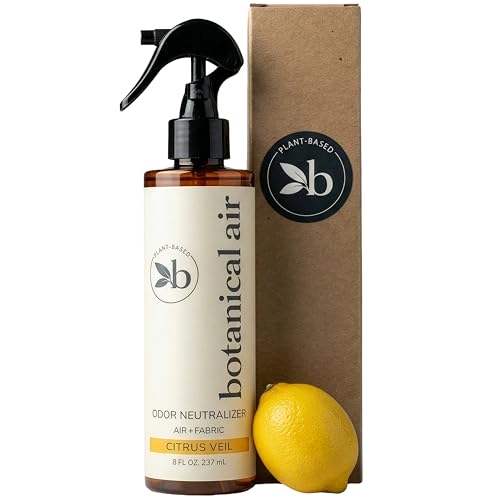
Science-driven odor reduction: Botanical Air uses a proprietary botanical formula with plant-derived active molecules designed to eliminate smells at the source.
Dangers of Synthetic Air Fresheners
Increasing awareness of health and environmental issues has led to growing concerns about synthetic air fresheners, which often emit volatile organic compounds (VOCs) that can profoundly impact indoor air quality. The dangers of synthetic options become evident when considering their potential health effects, including allergic reactions, asthma attacks, and long-term respiratory issues. Many of these products contain phthalates, notorious for causing hormonal disruptions, especially in children. Additionally, certain synthetic air fresheners may contain artificial musks that accumulate in human tissues, raising alarms about unknown health effects. Moreover, the production and disposal of these fragrances contribute to environmental pollution due to the use of petrochemicals and non-biodegradable plastic packaging, highlighting the dual challenge of indoor air pollution and ecological degradation. Furthermore, sound machines’ battery life can be crucial in maintaining a consistent and soothing environment that reduces reliance on synthetic fragrances.
Natural Air Fresheners
Natural air fresheners present an appealing alternative to synthetic options, embracing a philosophy that values both health and environmental sustainability. Composed of plant-based ingredients and essential oils, these products not only emit pleasant aromas but also provide therapeutic benefits, such as reducing anxiety and improving mood. Because they avoid synthetic chemicals like VOCs and phthalates, natural air fresheners contribute to improved indoor air quality, making them a healthier choice that minimizes respiratory issues and allergies. Popular forms include essential oil sprays, homemade herbal sachets, and potpourri, which can be crafted using simple household materials. While their scents may lack the consistency and longevity of synthetic options, their biodegradable composition further enhances their appeal for environmentally conscious consumers. Additionally, high-density foam in upholstered furniture can also help reduce allergens in your living space.
Recommended Products

Neutralize Odor with Aromatic Luxury — Transform your living space into an oasis of relaxation and comfort with this aromatherapeutic odor neutralizer spray infused with essential oils. Eliminate unpleasant smells caused by cooking, smoke, pets, or other common household odors, and replace them with this elegant room freshener scent. Evoke a sense of sophistication from the moment you step inside your house with this deodorizing essential oil spray

MADE WITH PURE ESSENTIAL OILS – Air Essentials Air Freshener & Odor Eliminator Spray is formulated with plant-derived ingredients and a blend of pure essential oils to deliver effective odor control with a fresh, natural scent that never overwhelms.

Three air fresheners inspired by nature made with plant-derived ingredients and without unwanted chemicals & zero synthetic preservatives
Ingredients in Natural Air Fresheners
The enchanting world of ingredients in natural air fresheners reveals a harmonious blend of botanical elements that not only elevate scent but also promote overall well-being. These products primarily consist of plant-based ingredients, such as essential oils, derived from flowers, fruits, and herbs. Popular essential oils include lavender for relaxation, citrus for uplifting freshness, and eucalyptus for its invigorating properties. Importantly, natural air fresheners minimize harmful chemicals typically found in synthetic fragrances, contributing to healthier indoor air quality. Additionally, they often feature transparent ingredients, allowing consumers to make informed choices. Many enthusiasts also engage in DIY natural air fresheners, crafting their own personalized blends using essential oils, distilled water, and vinegar, ensuring a safe and eco-friendly alternative. Moreover, incorporating essential oils derived from nature can enhance both scent and well-being in a profound way.
Benefits of Natural Air Fresheners
A careful examination of the benefits of natural air fresheners reveals significant advantages that extend beyond mere fragrance enhancement. These products, made from plant-based ingredients and essential oils, promote a healthier indoor environment by reducing exposure to harmful synthetic fragrances. Not only are they often biodegradable, contributing to a lower environmental impact, but they also help consumers avoid volatile organic compounds (VOCs), which are prevalent in synthetic options and can lead to indoor air pollution. Additionally, many essential oils provide therapeutic benefits, such as reducing anxiety and enhancing mood. Evidence suggests that natural air fresheners with ingredients like lavender or citrus can improve cognitive function, making them an excellent choice for creating inviting and health-conscious indoor spaces. Furthermore, similar to adjustable shelves that increase storage flexibility and organization, natural air fresheners offer customizable scent profiles to suit individual preferences.
Drawbacks of Natural Air Fresheners
Often overlooked in discussions about air fresheners, the drawbacks of natural options highlight some notable concerns for consumers. Natural air fresheners can trigger allergic reactions or sensitivities in users due to essential oils, which may irritate the skin and respiratory system. In addition, these products typically boast shorter scent longevity, often fading within 1-2 hours without fixatives, making them less effective than synthetic alternatives. Variability in effectiveness is also contingent on factors such as room size and air circulation. Additionally, some ingredients, particularly citrus-based oils, can lead to photosensitivity, leading to skin irritation upon sun exposure. Finally, the agricultural demands of sourcing these fragrances raise significant environmental concerns, such as deforestation and depletion of plant species, complicating their perceived eco-friendliness.
Health Effects of Air Fresheners
Natural air fresheners, while often preferred for their plant-based compositions, do not negate the broader health implications associated with air fresheners in general. Synthetic air fresheners, commonly laden with volatile organic compounds (VOCs), can exacerbate respiratory issues and contribute to indoor air pollution. These products often contain phthalates and synthetic musks linked to hormonal disruptions and health concerns, especially for sensitive individuals. Although natural air fresheners typically lower the risk of respiratory issues, they may still trigger sensitivities for some users. Essential oils, featured in many natural variants, can offer therapeutic benefits that enhance well-being. Nonetheless, consumers should weigh the potential health effects of both options, considering factors like allergies and individual sensitivities when selecting air fresheners.
Frequently Asked Questions
Can I Make My Own Natural Air Fresheners at Home?
Yes, one can create homemade recipes for natural air fresheners using essential oils, citrus scents, and plant-based ingredients. DIY sprays and herbal infusions offer eco-friendly options for scent customization, serving as effective kitchen remedies.
How Long Do Natural Air Fresheners Typically Last?
Natural air fresheners typically last from a few hours to several days, influenced by fragrance strength and storage tips. Consumer preferences often lean towards long-lasting scents, using essential oil options and seasonal fragrances as sustainable botanical alternatives.
Are Synthetic Air Fresheners Safe for Pets?
Synthetic air fresheners may pose pet safety concerns due to ingredient transparency. Fragrance sensitivity, potential respiratory issues, and chemical exposure raise questions about toxicity levels. Seeking veterinary advice and considering natural alternatives is prudent for concerned pet owners.
Do Natural Air Fresheners Mask Odors Effectively?
Natural air fresheners, often utilizing essential oils and botanical options, can effectively mask odors. However, effectiveness comparison reveals varying performance in odor elimination, scent longevity, and user preferences, impacting both environmental considerations and health concerns.
What Should I Do if I Have an Allergic Reaction to Air Fresheners?
“When it rains, it pours.” Upon experiencing allergic symptoms from air fresheners, one should seek professional advice, consider allergy testing, reduce exposure, explore safe alternatives like air purifiers, and check ingredient labels for potential irritants.