As an Amazon Associate, we earn from qualifying purchases. Some links on this site are affiliate links at no extra cost to you. Our recommendations are based on thorough research and editorial judgment.


Understanding VOC Levels From Bedroom Furnishings

VOCs, or volatile organic compounds, are harmful emissions derived from various bedroom furnishings, including pressed wood furniture and certain types of mattresses. These emissions can greatly compromise indoor air quality and overall health. Remarkably, pressed wood often contains formaldehyde, while new foam mattresses may emit VOCs like toluene and xylene. Brands such as IKEA and West Elm offer low-VOC options, and understanding VOC sources can aid in creating healthier living spaces, which is essential for overall well-being. Discover more about maintaining air quality and choosing safe materials.
Key Takeaways
- VOCs are emitted from various bedroom furnishings, including pressed wood furniture, upholstered items, and foam mattresses, impacting indoor air quality.
- Common VOCs include formaldehyde, toluene, and xylene, which can cause respiratory irritation and long-term health issues.
- New furniture can emit VOCs at higher levels, creating pollution 2 to 5 times greater than outdoor concentrations.
- Choosing low-VOC furniture, such as solid wood options, can significantly reduce harmful emissions in the bedroom.
- Implementing proper ventilation and using air purifiers are effective strategies to lower VOC levels and improve indoor air quality.
What Are VOCs and Where Do They Come From?
Volatile Organic Compounds, or VOCs, represent a considerable concern in contemporary interior design, particularly within the domain of bedroom furnishings. These organic chemicals, commonly emitted from indoor sources such as furniture, adhesives, and finishes, can greatly impact indoor air quality. Modern pressed wood furniture often contains adhesives that release formaldehyde, a notable VOC linked to respiratory issues. Subsequently, new furniture typically generates elevated emissions soon after production, leading to higher indoor pollution levels—potentially 2 to 5 times greater than outdoor concentrations. Designers and consumers alike increasingly prefer low-VOC products and natural materials, recognizing the importance of minimizing VOC exposure. This thoughtful approach not only enhances the aesthetic appeal but also fosters a healthier sleeping environment. Additionally, hanging vacuum storage bags can help reduce moisture and dust accumulation, further improving air quality in the bedroom.
Health Risks Associated With VOC Exposure

The presence of VOCs in bedroom furnishings raises significant health concerns that merit careful consideration. Volatile organic compounds (VOCs) can lead to respiratory irritation and other short-term health effects, including headaches and dizziness, particularly after exposure to high levels. With long-term adverse health risks associated with chronic exposure, individuals may develop severe conditions like asthma and migraines. Children, the elderly, and those with preexisting health conditions are particularly vulnerable, as their systems are still developing or compromised. Additionally, inadequate ventilation can exacerbate VOC levels, leading to indoor air quality that is often 2 to 5 times worse than outdoor conditions. Consequently, monitoring VOC concentrations is essential for maintaining a healthy living environment and promoting overall well-being. Exploring options like energy-efficient lighting can further enhance indoor air quality through reduced emissions and improved ventilation.
Common Sources of VOCs in Bedroom Furnishings

In many modern bedrooms, a variety of furnishings can subtly release harmful volatile organic compounds (VOCs) into the air, impacting indoor air quality. Common sources include pressed wood products, such as particleboard and plywood, which frequently contain formaldehyde as a binding agent. Upholstered furniture, particularly from brands like West Elm, often utilizes adhesives that emit VOCs like toluene and xylene over time. New mattresses made from foam materials can also contribute to this issue, releasing VOCs due to chemical treatments. Carpets and area rugs, especially when newly installed, can off-gas from backing materials and adhesives. Additionally, paints and finishes used on bedroom furniture may release VOCs that can linger for days or weeks, further compromising the air quality. It is essential to consider using furniture with high-quality composite wood to minimize VOC emissions.
Recommended Products

Vertical Panel Design: - Etereo TV Lift Cabinet introduces bold vertical paneling and sleek modern lines, adding architectural depth and luxury appeal to your bedroom décor.

Hidden Lift Cabinet: Remote-controlled TV lift cabinet keeps your screen out of vision when not in use — perfect for a clean, modern bedroom look.

STAIRCASE STORAGE SOLUTION: Keep their space organized with a staircase that features built-in shelves and a spacious storage drawer—perfect for easy cleanup. The inner storage drawer measures 36.14" long, 11.65" wide, and 5.8" high.
Surprising Places VOCs Can Be Found in Your Bedroom
Where might unexpected sources of VOCs be lurking in a seemingly serene bedroom environment? Common VOC-emitting products, such as new composite wood furniture containing formaldehyde, can contribute to respiratory issues and irritation. Additionally, mattresses crafted from synthetic materials often off-gas chemicals upon unpacking, releasing harmful toxins into the air. Upholstered bedding, including various pillows and comforters, may also leach VOCs due to adhesives and flame retardants used in production. Furthermore, paints and finishes applied to walls or furniture can elevate indoor air pollution for weeks post-application. Finally, everyday cleaning products, air fresheners, and scented candles markedly increase VOC concentrations, persisting long after they’ve been used, consequently impacting overall air quality in the bedroom. Notably, the anti-pilling technology used in low-VOC bedding options can also minimize potential exposure to harmful substances.
Monitoring VOC Levels in Your Home
Monitoring indoor air quality, especially VOC levels, can be an enlightening pursuit for homeowners seeking to create a healthier living environment. Continuous monitoring reveals how indoor VOC levels, often 2 to 5 times higher than outdoor levels, stem from various household products. Technologies like the Sensirion SGP41 TVOC sensor provide real-time tracking of these pollution sources, allowing homeowners to identify air quality issues promptly. Regular assessments of the VOC index assist in making informed decisions regarding indoor activities and product usage. Enhancing ventilation and opting for low-VOC products can greatly improve air quality, fostering a healthier living space. By actively monitoring VOC levels, homeowners not only mitigate risks but also elevate their home’s comfort and safety. Additionally, selecting furnishings made with breathable materials can help reduce the emission of harmful VOCs in your home.
Recommended Products

SUPPORT FOR ALL SLEEPERS: Meticulously designed with all sleep positions in mind (back, stomach, or side)

TOXIN-FREE – this mattress contains no petrochemical polyfoams, no fiberglass, no toxic flame retardants, and as of January 2025 our updated design no longer contains a rayon-poly blend. Just cotton, wool, natural latex and springs - those are the only ingredients in this mattress.

ALL NIGHT AIRFLOW: A top layer of breathable open-cell foam allows airflow to soothe you to sleep.
Strategies for Reducing VOC Exposure
To create a healthier living environment, homeowners can implement several effective strategies that substantially reduce exposure to volatile organic compounds (VOCs). Selecting solid wood furniture over pressed wood diminishes the risk of formaldehyde emissions, which are linked to respiratory issues. Additionally, opting for low-VOC paints and finishes guarantees minimal harmful releases during setup. Proper ventilation is essential; opening windows and utilizing exhaust fans can effectively disperse VOCs. Storing VOC-emitting cleaning supplies and air fresheners away from living areas prevents ongoing exposure. Finally, the regular use of air purifiers with activated carbon filters markedly enhances indoor air quality by capturing airborne contaminants, creating a more pleasant and safer bedroom atmosphere for all occupants. Furthermore, choosing furnishings made from rust-resistant materials can contribute to a healthier indoor environment by limiting the release of harmful substances over time.
Recommended Products

PAINT + PRIMER: KILZ TRIBUTE is a low VOC, 100% acrylic advanced technology paint and primer in one formulated for superior hide and coverage with exceptional durability. Paint and primer covers light-medium stains and light-dark color changes.

Constructed of environmentally friendly, zero emissions solid wood, engineered to prevent warping and last a lifetime. 12-stage wood preparation, sanding, painting and hand-finishing process. Highly water-resistant low V.O.C. sealed finish. Beautiful transitional styling that compliments any bathroom. Practical Floor-Standing Design.

Constructed of environmentally friendly, zero emissions solid wood, engineered to prevent warping and last a lifetime. 12-stage wood preparation, sanding, painting and hand-finishing process. Highly water-resistant low V.O.C. sealed finish. Beautiful transitional styling that compliments any bathroom. Practical Floor-Standing Design.
Choosing Low-VOC Furniture Options
Taking proactive steps to minimize VOC exposure leads naturally to thoughtful choices in furniture selection. When seeking low-VOC furniture, it is vital to opt for items labeled accordingly, for they inherently emit fewer harmful emissions. Solid wood furniture is often preferable to pressed wood products that incorporate adhesives containing formaldehyde. To mitigate off-gassing, new furniture should be unwrapped and ventilated in a garage for 7-10 days. Additionally, water-based finishes, commonly found in low-VOC options, are less likely to release noxious fumes than their oil-based counterparts. Researching certifications from organizations like Greenguard or the Forest Stewardship Council (FSC) can further guarantee commitment to improved indoor air quality, making them essential considerations in furniture selection. Using acacia wood dressers, which often feature minimal chemical treatments, can also support healthier indoor environments.
Recommended Products

Constructed of environmentally friendly, high grade solid wood, plywood, and MDF, engineered to prevent warping and last a lifetime. 12-stage wood preparation, sanding, painting, and finishing process

HEIGHT RANGE OF 23.6" - 49.2" – Personalize your workspace with our height adjustable desk and wood standing desk with a drawer versatile height range, offering ergonomic suitability for 95% of users for optimal comfort.

Babyletto Bondi Convertible Bunk Bed: Designed to grow with your kiddos, this detachable bunk bed twin over twin, easily converts into two individual twin beds that can be separated. It’s a thoughtful space-saving design that makes more room for memories.
Creating a Healthier Indoor Environment
While many may not recognize the importance of indoor air quality, creating a healthier indoor environment is essential for overall well-being, particularly in bedrooms where individuals often spend considerable amounts of time. VOCs, commonly emitted from furnishings, can lead to serious health concerns such as respiratory problems. Opting for low-VOC furniture, including solid wood pieces from brands like IKEA or West Elm, greatly reduces exposure to harmful emissions. Additionally, enhancing ventilation with open windows and employing air purifiers can further mitigate VOC levels. This proactive approach creates a safe indoor environment, minimizing health risks associated with new upholstery and pressed wood products. Being mindful of materials promotes comfort, reflecting a thoughtful commitment to home design and well-being. Incorporating waterproof mattress protectors can also aid in maintaining a healthy sleep environment by reducing allergens and moisture retention.
Recommended Products
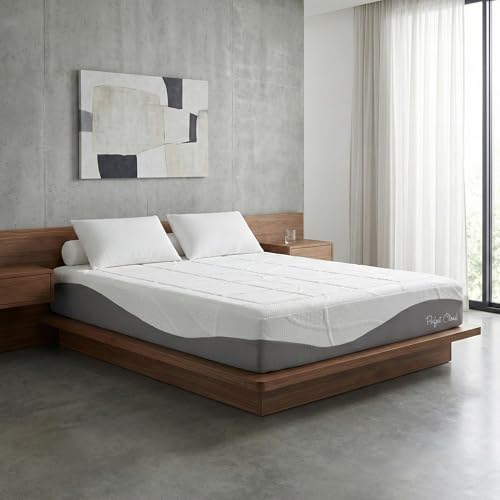
Design | 1-inch quilted plush air-infused foam.1.5-inches of ventilated gel-infused foam. 2-inch layer of cooling gel-infused foam. 7.5-inch charcoal-infused base layer of support foam reduces odors and maximizes comfort.
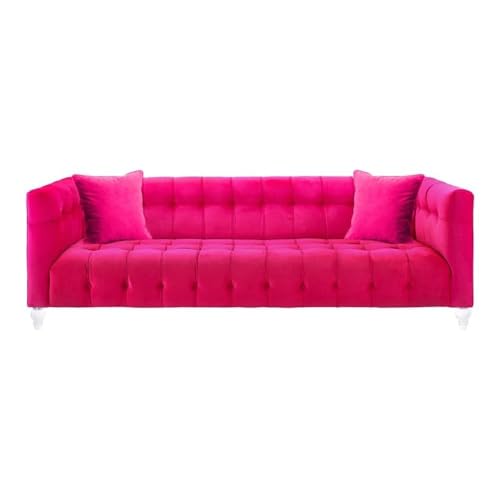
Product Dimensions: 90.6"W x 37"D x 30.1"H

Zero-Wall & Space-Saving: This loveseat recliner can be placed directly against the wall. Both seats glide smoothly forward as you recline, ensuring the backrest never hits the wall—perfect for maximizing floor space in compact rooms or RVs.
Frequently Asked Questions
What Is an Acceptable Level of VOCS?
Acceptable VOC limits generally fall below 0.3 mg/m³. The impact of VOCs can lead to health effects, emphasizing the importance of ventilation, eco-friendly furnishings, and sustainable design while promoting consumer awareness and effective VOC testing methods.
What Does 80% VOC Mean?
An 80% VOC level indicates high VOC sources releasing toxic compounds, negatively impacting indoor air quality. It poses health risks through furniture outgassing; effective ventilation strategies are essential for reducing exposure and mitigating long-term effects.
What Causes High VOC Level in Bedroom at Night?
High VOC levels in bedrooms at night are caused by furniture materials, cleaning products, and paint fumes. Limited ventilation, low humidity levels, occupant activities, and carpet off-gassing further exacerbate indoor air quality issues.
What Is the Most Common Indoor VOC?
In the domain of indoor air, formaldehyde reigns as the most common VOC, lurking in furniture materials. Its health effects amplify chemical exposure, urging the importance of ventilation, bedroom plants, and air purifiers as DIY solutions.