As an Amazon Associate, we earn from qualifying purchases. Some links on this site are affiliate links at no extra cost to you. Our recommendations are based on thorough research and editorial judgment.


How Thermal Curtain Linings Reduce Energy Costs

Thermal curtain linings greatly reduce energy costs by employing heavier, multi-layered materials that enhance insulation, achieving an impressive R-value of up to R-6, versus R-1 for standard curtains. This design minimizes heat transfer through windows, creating a dead-air space that can decrease energy loss by approximately 25%. Additionally, regular use may yield annual cost savings of around 7%. As one explores further, the different types and maintenance tips reveal even more benefits for energy efficiency and comfort.
Key Takeaways
- Thermal curtain linings can reduce heat loss through windows by up to 25%, directly lowering energy costs.
- With an R-value reaching R-6, thermal curtains provide superior insulation compared to standard options, enhancing energy efficiency.
- Regular use of thermal curtains can lead to annual energy savings of approximately 7% on utility bills.
- Creating a dead-air space between the window and the lining minimizes heat transfer, maintaining consistent indoor temperatures.
- Incorporating energy-reflecting linings can increase overall energy efficiency by up to 25%, further reducing heating and cooling expenses.
Understanding Thermal Curtain Linings
Understanding thermal curtain linings can be fundamental for homeowners and designers alike, as they offer a blend of aesthetics and functionality that enhances interior spaces. These specialized linings, constructed from heavier materials and multiple layers, greatly improve insulation properties to combat heat transfer through windows. For instance, insulated curtains often achieve an R-value around R-6, vastly exceeding the R-1 of standard curtains. By effectively creating a barrier against drafts, thermal linings can elevate a window’s R-value from R-2 to R-5, reducing energy loss by up to 25%. This reduction translates to potential savings on utility bills, improving year-round comfort while safeguarding furnishings from UV damage. Additionally, the use of durable materials in thermal curtain linings contributes to their longevity and enhances their effectiveness. Essentially, thermal curtain linings embody a smart investment in energy efficiency and interior design.
How Thermal Curtain Linings Work

Thermal curtain linings operate through a sophisticated layering system that enhances energy efficiency and comfort within a home. These window treatments are designed to reduce heat transfer, employing multiple layers that can achieve R-values of up to R-6, vastly improving their insulating properties compared to conventional curtains averaging R-1. By creating a dead-air space between the window and the lining, they minimize heat loss in winter and limit heat gain during warmer months. Additionally, the use of white plastic backings can decrease heat gain by up to 33%. Regular use of thermal linings translates into annual energy savings of around 7%, effectively lowering heating costs and increasing overall thermal performance, making them a worthwhile investment for households aiming to enhance energy efficiency. Furthermore, thermal curtains can complement modern home designs, much like wireless charging nightstands that integrate technology and aesthetic value into furniture.
The Science of Energy Savings
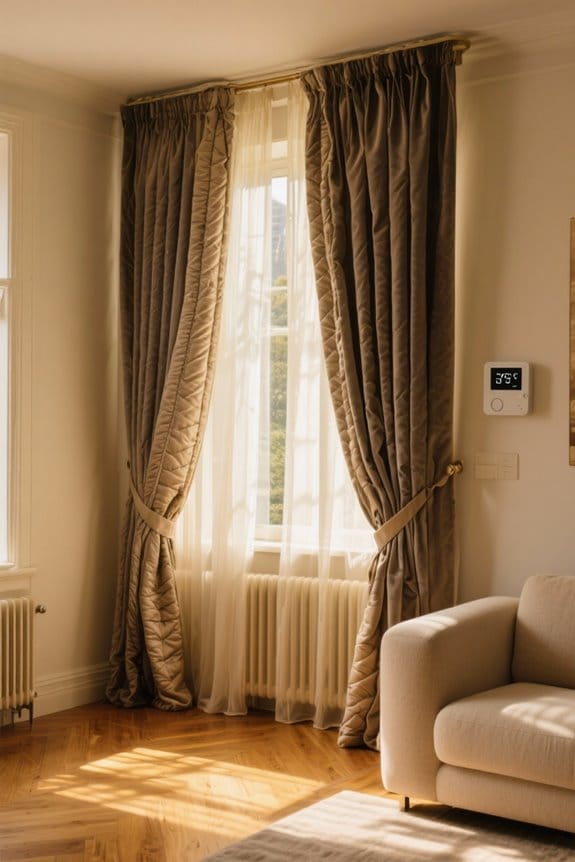
Energy savings are closely linked to the principles of heat management and insulation, which are fundamental in the field of modern home design. Thermal curtains play an essential role in minimizing energy costs by considerably reducing heat loss during colder months; studies show they can improve a window’s R-value from approximately R-2 to R-5. Conversely, in the summer, these insulated curtains actively reflect solar heat, limiting heat gain by as much as 33%. By preventing air leaks and maintaining a consistent indoor temperature, thermal curtains reduce heating and cooling costs, contributing to up to a 7% annual utility savings. Additionally, their dense fabric serves as sound dampening, enhancing overall comfort while promoting an energy-efficient environment. Moreover, just like the best leather headboards, the durability and material quality of thermal curtains significantly affect their long-term performance.
Benefits of Using Thermal Curtain Linings
While exploring various ways to enhance home comfort and reduce utility expenses, the benefits derived from using curtain linings equipped with insulation technology become evident. Thermal curtain linings markedly reduce heat loss through windows by up to 25%, directly lowering heating costs during winter. They can save energy and reduce energy costs for homeowners by approximately 7% annually. With an R-value that can reach R-6, these energy-efficient linings outperform conventional curtains, which typically boast an R-value around R-1. By creating a dead-air space between the window and the room, properly installed thermal curtains help maintain consistent indoor temperatures. Ultimately, incorporating thermal linings enhances overall home improvement, effectively increasing the R-value of windows and contributing to a more comfortable living environment. Additionally, investing in 100% blackout capabilities can further improve energy efficiency and sleep quality in your home.
Types of Thermal Curtain Linings
When considering options for enhancing window treatments, various types of thermal curtain linings present distinct advantages that cater to differing needs and aesthetics. Normal thermal lining provides basic insulation and light blocking with a single layer, making it suitable for moderate energy efficiency improvements. For maximum energy savings, blackout thermal lining features three layers that effectively prevent light penetration while enhancing insulation and reducing heat loss. A bonded blackout lining combines blackout fabric with an interlining layer, optimizing thermal performance. Pass 3 blackout thermal lining, crafted from microfiber polyester, offers superior insulation and resistance to fading and mildew, greatly improving indoor comfort. Additionally, energy-reflecting lining technology can increase energy efficiency by up to 25%, maintaining stable indoor temperatures in various climates. Choosing high-quality materials like allergen-friendly options can further enhance both the thermal efficiency and air quality of your home.
Recommended Products
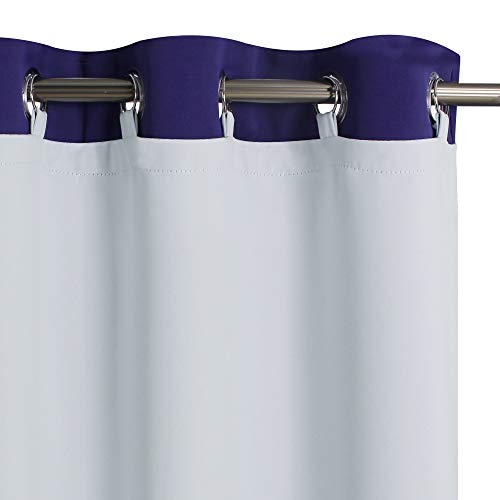
EFFECTIVE BLACKOUT: 2 panels per package, W50 x L80 each. The thick triple weaved fabric can enhance your curtain blackout effect up to 85%-99%(black works better than white), block the light and UV rays, offer a real dark environment for the night shift worker who has to sleep during the day.

BASIC INFORMATION - The package contains 2 panels. The room darkening thermal insulated curtains are drapery, soft to the touch and also available in various colors and sizes to fit your needs.

SET DETAILS: Set of 2 light gray total blackout curtain panels per package. Each lined curtain measures 42 inch wide by 63 inch long with 6 silver metal grommets (1.6 inch inner diameter) on top, easy to install and slide.
Choosing the Right Thermal Curtain Lining
Selecting the right thermal curtain lining involves understanding various factors that influence both aesthetics and energy efficiency. High-quality thermal properties are vital, so opting for heavier materials with multiple layers can greatly enhance insulation, efficiently trapping air to reduce heat transfer. Blackout thermal linings, often constructed with three layers, not only eliminate light penetration but can also contribute to energy savings of up to 25% in heating and cooling costs. Additionally, thicker options provide superior temperature regulation, maximizing comfort while maintaining an accurate fit is essential to avoid gaps that diminish insulating abilities. Finally, choosing a complementary color for the thermal lining can further enhance energy efficiency, as lighter colors reflect radiant heat while harmonizing with the facing curtain fabric. Incorporating energy-efficient lighting can also complement the benefits of thermal linings by reducing overall energy consumption in your living space.
Recommended Products

Removable Quilted Lining - Switch between seasons effortlessly—remove the lining for summer breathability, keep it for winter warmth.

EASY TO INSTALL: Includes cashmere blackout curtains 2 panels set per package. Each panel measures 42 inches wide by 63 inches long, with 6 silver-color metal grommets on top, fit rods less than 1.6 inch diameter. Suggest choose the right size after measuring your windows.

Removable Quilted Lining - Switch between seasons effortlessly—remove the lining for summer breathability, keep it for winter warmth.
Installation Tips for Optimal Performance
To achieve peak performance from thermal curtains, meticulous installation is essential, as small details can considerably influence energy efficiency. First, install thermal curtain rods at least 6 inches above the window frame and extend them wider to eliminate gaps that allow drafts. Confirming that curtains reach the floor minimizes airflow underneath, enhancing insulation while maintaining conditioned air. For wider windows, use multiple panels with a fullness ratio of 1.5 to 3 times the window width to improve thermal performance. Additionally, applying Velcro or magnetic tape along the edges creates a snug fit against the window frame, drastically reducing heat loss. By measuring accurately before cutting, homeowners can verify ideal installation that preserves the intended drape and enhances overall thermal efficiency. Moreover, optimizing energy-efficient designs can complement the insulation provided by thermal curtains.
Recommended Products

THERMAL GARAGE DOOR INSULATION KIT: This insulated garage door screen measures 16.3 x 7.15 ft, fitting garage doors up to 16.04 x 7.02 ft. Ideal for not just garages, but also front doors, back doors, patio entrances, porches, balconies, etc. Tips: Please measure your door size accurately and allow extra length and width for the door frame.

Insulated Window Curtain: This thermal insulated window curtain size: 39" W x 63" L, which is widely used for bedroom, kitchen, air-conditioned room. Please measure your window size before placing order. The window insulation kit is a good companion for air-conditioned rooms, which can prevent warm air loss in winter and keep the cold wind from entering, stop the cold air-conditioning escaping of your room in summer and keep hot air out, which saves energy and cut home heating costs effectively, make you enjoy a warm winter or a cool summer
THERMAL GARAGE DOOR INSULATION KIT: This 18.3 x 7.15ft garage screen door covers expansive garage spaces, ensuring comprehensive insulation and protection. Suitable for front, rear, internal or external entry, terraces, terraces, porches, balconies, etc.. .
Maintenance and Care for Thermal Curtains
Although thermal curtains can markedly enhance energy efficiency, their performance is directly linked to regular maintenance and care. To maintain their energy-efficient properties, routine vacuuming is vital for removing dust and preventing discoloration. Foam-backed curtains may be easily wiped down, while heavy draperies typically benefit from professional dry cleaning to preserve their insulation effectiveness. In humid climates, it’s important to periodically open thermal curtains, allowing for necessary air circulation and preventing moisture buildup, which can lead to mildew. Adhering to manufacturer cleaning instructions guarantees the integrity of the materials, prolonging the lifespan of thermal curtains and allowing them to continue to reduce energy costs effectively, providing both comfort and a smart investment in home energy conservation. Additionally, blackout curtains are particularly effective in minimizing energy costs by blocking sunlight and thermal insulation.
Common Mistakes to Avoid
When homeowners commence on the journey of enhancing their space with thermal curtain linings, they often overlook critical aspects that can undermine both aesthetics and energy efficiency. A primary mistake is failing to measure accurately; improper measurements can create gaps that diminish insulating effectiveness and escalate energy costs. Additionally, neglecting compatible thermal lining and fabric lining choices may result in reduced insulation benefits. Sticking to incorrect installation height, such as hanging curtains too low, can compromise their ability to block drafts. Furthermore, improper layering curtains, which combine sheer and thermal options, may limit overall energy efficiency throughout seasons. Lastly, regular maintenance is essential; neglecting to clean thermal curtains allows dust accumulation, further undermining their insulating properties. Selecting high-quality materials is crucial, as materials and durability directly impact the overall effectiveness of thermal curtains in maintaining a comfortable environment and reducing energy expenses.
Cost Analysis of Thermal Curtains
Understanding the financial implications of thermal curtains is key for homeowners looking to enhance their energy efficiency without breaking the bank. These effective window treatments can reduce energy loss, which accounts for approximately 30% of heating and cooling costs, potentially saving homeowners up to 7% on annual utility bills. Considering installation costs, a set of thermal curtains typically ranges from $40 to $50, offering an affordable solution for home energy management. Additionally, closed thermal curtains greatly enhance a window’s R-value, improving insulation performance from R-2 to R-5. However, it’s important to note that the performance of solid fabrics in offering better insulation can be similar to the benefits provided by thermal curtains. While energy savings may not equal extensive insulation measures, thermal curtains present a practical option for reducing energy costs and creating a comfortable living environment, making them a worthwhile investment.
Recommended Products
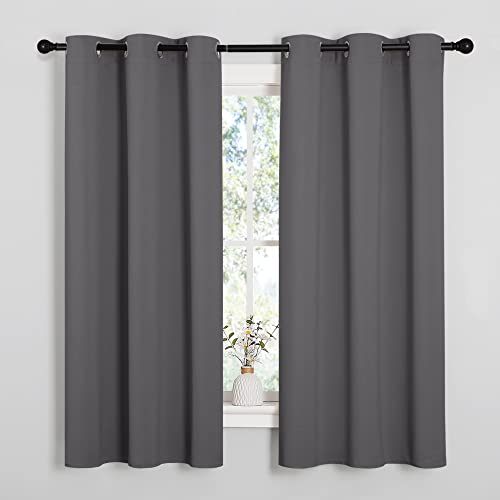
READY MADE: Set includes 2 BLACKOUT CURTAINS PANELS of 42" wide x 63" length with 6 grommets top each. Quality fabric without liner feels soft and heavy.

Pair Sold: Each package includes 2 panels of blackout curtains. Each panel measures 40"W x 63"L, with a pair measuring 80"W x 63"L. Each panel has 6 anti-rust silver grommets(1.6 inch inner diameter) which would fit most standard curtain rods
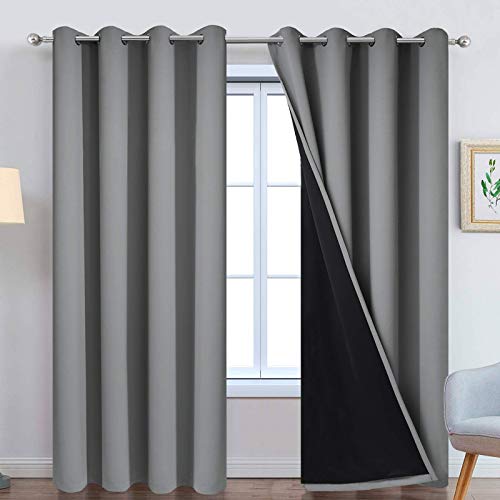
PACKAGE MADE:2 panels per package. Each Lined Curtain measures 52" wide x 84" long. 8 Silvery Grommets per panel. This silvery grommet (1.6 inch inner diameter) fits many rods. Easy to hang and smooth to slide. The simple design gives people a sense of ease.
Alternatives to Thermal Curtain Linings
Exploring alternatives to thermal curtain linings opens up a world of effective options for enhancing energy efficiency without compromising design aesthetics. Custom-fit storm windows serve as a permanent solution, improving insulation and dramatically reducing heat loss. In addition, professional air sealing techniques effectively eliminate drafts, increasing comfort and energy efficiency without bulky window coverings. Improved wall and ceiling insulation is another strong alternative, considerably decreasing both heat loss and solar heat gain. For those seeking minimal visual obstruction, window films can be applied to existing glass, blocking UV rays and maintaining consistent indoor temperatures. Moreover, awnings and exterior treatments provide stylish options to reduce solar heat gain on windows, promoting energy-efficient living while preserving the beauty of natural light.
Recommended Products
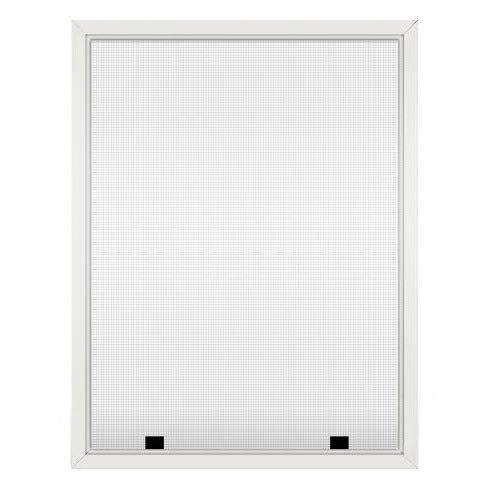
Window screens custom built to your specifications.

Window screens custom built to your specifications.

The FS1 (full screen) is a streamlined, general-purpose screen that does not use pull tabs, plungers, or any other form of hardware. Full window screens are designed to cover your entire window opening from edge to edge.
Frequently Asked Questions
How Much Energy Do Thermal Curtains Save?
Thermal curtains enhance energy efficiency through improved thermal insulation, yielding cost savings by retaining heat and regulating room temperature. Various fabric types impact energy consumption, benefiting the household budget and aiding climate control with effective window treatments.
Do Thermal Curtain Linings Make a Difference?
Yes, thermal curtain linings can greatly enhance energy efficiency. By employing specialized materials for thermal insulation and temperature regulation, they provide cost savings, reduce environmental impact, and optimize heating systems and summer cooling in home design through effective window treatments.
Do Curtains Help Reduce Electric Bills?
Curtains, particularly energy-efficient types, can reduce electric bills by improving home insulation and climate control. They minimize heat loss through windows, enabling cost savings while enhancing interior design according to seasonal changes, leveraging material benefits effectively.
How Much Reduction in Heating Bills After Insulating Your Walls?
Wall insulation benefits can yield heating cost reductions of $200 to $600 annually, depending on insulation material types. Thermal insulation impacts energy efficiency improvements through draft reduction techniques and temperature retention strategies, ensuring long-term energy savings during winter.