As an Amazon Associate, we earn from qualifying purchases. Some links on this site are affiliate links at no extra cost to you. Our recommendations are based on thorough research and editorial judgment.

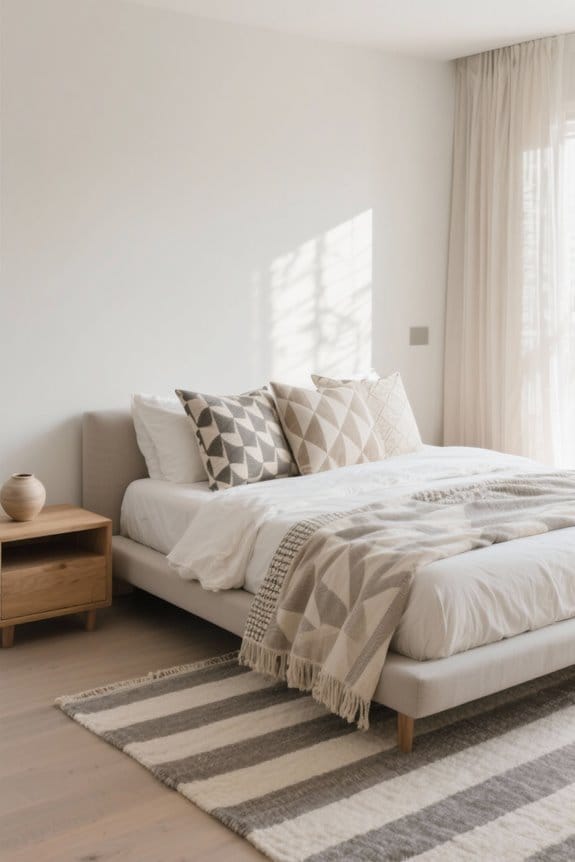
How Pattern Mixing Creates Visual Interest Without Clutter

Pattern mixing creates visual interest without clutter through careful use of scale, color, and texture, ensuring harmony in design. By applying the 70-20-10 rule, designers can maintain balance while integrating bold patterns, such as those from brands like Anthropologie. Utilizing various pattern sizes adds depth, with larger prints serving as focal points enhanced by smaller designs. Incorporating solid colors provides resting spots, making the space inviting. Discover the nuances of personalization and expert techniques further to elevate your design.
Key Takeaways
- Varying the scale of patterns creates depth and prevents chaotic visuals, enhancing overall visual interest without overwhelming the space.
- Incorporating solid colors as resting points helps balance busy patterns, ensuring a cohesive and organized design.
- A well-crafted color palette unifies diverse patterns, allowing for harmonious mixing while retaining visual clarity.
- Dominant patterns can serve as focal points, while smaller patterns provide contrast, promoting visual dynamics without clutter.
- Layering textures alongside patterns adds tactile interest, inviting engagement without contributing to visual chaos.
Understanding the Role of Patterns in Design
Patterns serve as foundational elements in design, substantially enhancing both aesthetic appeal and spatial perception. They create layers and dimension within a space, generating visual interest without overwhelming it when mixed thoughtfully. Employing a dominant pattern can anchor a room’s design, while secondary patterns mirror complementary styles, fostering a cohesive look. Designers recommend varying the scale of patterns—using large statement designs alongside smaller accents—to add depth and prevent a chaotic visual experience. Incorporating different textures, such as rich fabrics or rough surfaces, enhances tactile interest, inviting engagement. Balancing busy patterns with solid colors offers visual resting points, maintaining order and reducing clutter while preserving harmony in overall decor. This thoughtful approach forms an inviting and dynamic atmosphere in any setting. Additionally, selecting materials with high load capacity can ensure stability and support within the design framework.
Creating a Cohesive Color Palette

A thoughtfully crafted color palette can amplify the impact of patterns in interior design, promoting a sense of unity throughout a space. By prioritizing a few dominant colors that complement different patterns, designers can create a unique, cohesive color palette that brings visual interest without chaos. Applying the 70-20-10 rule, with 70% dedicated to a primary color, helps maintain visual balance while the secondary color and accents layer in depth and interest. Additionally, selecting patterns that share common colors prevents disarray, effectively tying elements together. Incorporating a neutral base color serves as a shifting anchor, providing freedom to mix bold patterns and vibrant hues without overwhelming the overall design, ultimately creating a harmonious environment where all elements coexist. Furthermore, material quality and construction play a critical role in ensuring that the overall design maintains both style and durability.
The Importance of Scale in Pattern Mixing

Emphasizing the importance of scale in pattern mixing can greatly enhance the visual dynamics of a space, as designers understand that varying degrees of pattern sizes add complexity and interest. Mixing large-scale patterns, such as bold geometric designs, with smaller, more intricate patterns allows for a rhythm that captivates the observer’s eye. The presence of different textures plays an essential role in creating a sense of depth, enhancing visual interest throughout the room. Designers often use large patterns as focal points, like an area rug, while layering smaller designs on cushions or drapes to provide contrast without overwhelming the space. This thoughtful approach to pattern mixing effectively minimizes visual clutter, fostering an inviting and curated atmosphere that feels both sophisticated and approachable. Additionally, using energy-efficient designs in lighting can complement this aesthetic by highlighting specific patterns and textures throughout the room.
Recommended Products

BENNETT DESIGN: The Bennett Handwoven Wool Rug brings an artful edge to your floors with its abstract, distressed design and subtle tonal palette. Expertly woven on a jacquard loom, it combines intricate craftsmanship with a modern aesthetic, creating a piece that’s sophisticated and striking. Its versatile, high-low look effortlessly ties together any room, adding depth and character without overwhelming the space.

Origin: India

HUGO DESIGN: The Hugo Hand-Knotted area rug features a charcoal brown leopardlike pattern on a pale grey background. The goes-with-anything color combination is super thick and plush perfect for bedrooms and family spaces.
Balancing Busy Patterns With Solids
While busy patterns can invigorate a space with energy and visual excitement, integrating solid elements is essential for creating balance and cohesion. Designers recommend incorporating at least 40% solid colors to prevent a cluttered look, allowing for visual resting points that enhance comfort and harmony. By using solid-colored accents, such as neutral furnishings or accessories, one can effectively highlight bold patterns, enabling them to stand out without overwhelming the viewer. This approach promotes a cohesive design, ensuring that various patterns work together harmoniously, rather than competing for attention. Basically, the skillful mix between busy patterns and solid elements contributes to an inviting atmosphere, making the space not only stylish but also thoughtfully curated. Additionally, incorporating dimmer nightlight options helps create a soft ambiance, further enhancing the overall comfort of the space.
Recommended Products

Elegant do-it-yourself tiles – These vinyl wall tiles by Palisade are easy to install and look quite elegant with a no-mess grout appearance; The decorative, photo-realistic pattern repeats about every eight tiles; The location on each tile where the pattern repeats is always different, however, resulting in a unique look for each tile; Some of the natural stone look designs include color variations, various lines, and cracks to emulate the look of natural stone

Prada Black Glace Leather Studded Trim Crossbody Handbag 1BD147 This show stopping Prada crossbody bag is sure to highlight any ensemble. Versatile and fashion forward.

APPEARANCE: The Sideline electric fireplace is designed for recessed in-wall mounting. Creating a cozy atmosphere of a traditional fireplace, this electronic fireplace has realistic flames with a real fire look. The Sideline’s 5 flame settings radiate a soft ember glow up to an intense blaze. Sideline gives you the total package. Control the heat and flame with the remote control. Designed to use one log or crystal, if you prefer you can mix both safely.
Unifying Elements for Visual Coherence
Creating visual coherence in a space often hinges on the thoughtful integration of unifying elements, which serve as the connective tissue among various design components. By strategically mixing and matching patterns that share a color palette or motif, designers can cultivate an inviting atmosphere where patterns work harmoniously. Incorporating solid-colored furniture or accessories introduces visual resting points, helping the space feel balanced and less chaotic. Furthermore, a well-defined unifying element enhances overall aesthetics and allows for creative expression through varied patterns. Experimenting with scale and texture within this framework further enriches the design, providing depth while maintaining coherence. Ultimately, these choices create visual interest without overwhelming the senses, ensuring the space remains pleasing and cohesive. Additionally, including storage solutions such as wardrobes can greatly aid in maintaining a clutter-free environment, thus promoting overall visual harmony.
Incorporating Texture for Depth
Texture plays an essential role in enriching the visual landscape of any interior space, transforming it from flat and uninspired to vibrant and engaging. By incorporating different textures, such as smooth fabrics, woven materials, and rough surfaces, designers can create depth and dimension, enhancing the overall visual interest alongside varied patterns. This approach promotes a dynamic sensory experience, where contrasting finishes interact and reflect light in unique ways. For instance, pairing a plush rug with a crisp linen sofa breaks up visual clutter, framing patterns effectively. Additionally, these different textures serve as unifying elements, fostering cohesion among diverse patterns. Ultimately, the strategic use of texture elevates a room’s aesthetic appeal, ensuring it appears thoughtfully designed and remarkably inviting without overwhelming the eye. For example, using a soft polyester fill comforter can add a cozy texture to bedding arrangements, enhancing the overall warmth of the room.
Strategically Placing Patterns in Small Spaces
In small spaces, the placement of patterns can greatly enhance visual interest without overwhelming the area, creating an illusion of depth and elegance. Designers often recommend using an anchor pattern, such as a bold area rug, to define zones in a room. This approach allows for the addition of smaller geometric patterns on throw pillows or artwork, maintaining harmony throughout the space. Vertical expansions, achieved through patterned wallpaper or painted ceilings, draw the eye upward, maximizing perceived height. Furthermore, placing patterns in unexpected areas, like shelving, can surprise and engage viewers, contributing to a dynamic aesthetic. Ultimately, careful mixing of contrasting patterns, such as large florals with small geometrics, fosters depth while maintaining a cohesive color palette. Utilizing elements like a nature-inspired aesthetic can also enhance the calming effect of pattern mixing in small areas.
Recommended Products
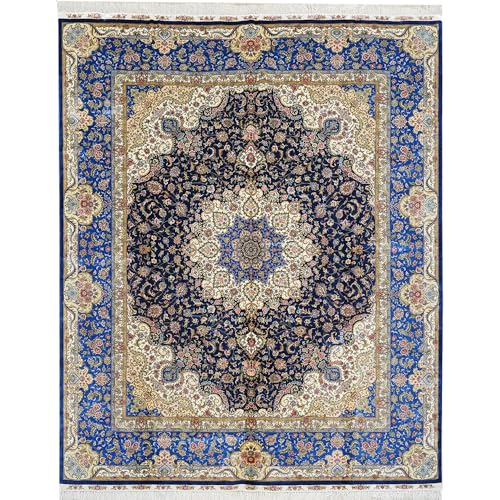
Get Your Royal Handmade Carpet from Yuchen Rug Manufacture! Yuchen Rug specialise in hand knotted rug with silk.

[DURABLE QUALITY HANDMADE CONSTRUCTION]: Hand-knotted by skilled artisans for a truly unique textured look and feel

Commodity:Hand knotted wool silk rug;Size:8 ft x 10 ft (244 cm x 305 cm);Material:Wool&silk
Common Challenges and How to Overcome Them
While mixing patterns can transform a space into a visually stimulating environment, several common challenges can deter even seasoned decorators from fully embracing this design technique. A frequent concern is the fear of overwhelming space; starting with a neutral base allows bold designs to shine without dominating. Selecting complementary patterns can be simplified by adhering to a shared color palette for visual cohesion. Additionally, achieving proportionate scales of patterns can be managed by applying a dominant pattern in larger areas while balancing it with smaller scales. To counter visual clutter, incorporating solid colors guarantees at least 40% of the room offers ‘resting spots’. Finally, establishing a clear focal point with a strong anchor pattern can help unite diverse designs without chaos. Incorporating stylish storage solutions like black garment racks can also contribute to a more organized and visually appealing space.
Recommended Products
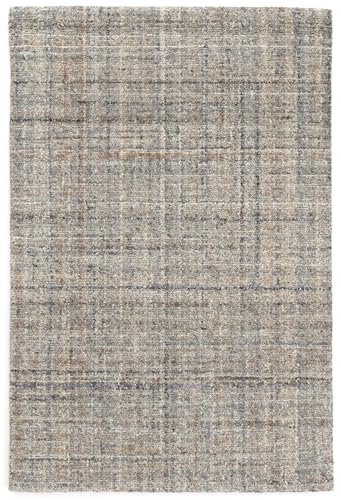
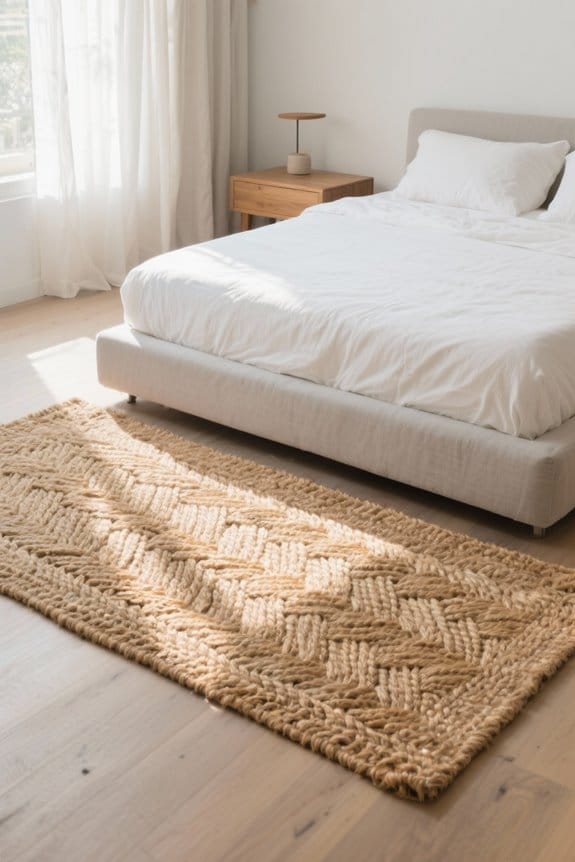
HARRIS DESIGN: Searching for a rug that will soften and ground your room without overpowering it? Harris is the rug for you. The eye-catching, cross-hatched design is subtle yet striking and adds dimension to any space. Tightly constructed with 100% soft, durable wool, it's a classic choice for bedrooms and living rooms.

Textured Stripe Pattern Ivory/Gray Wool Area Rug - SCR10

Authentic Oriental Turkish Oushak Pattern: Each rug features an authentic Oriental Turkish Oushak pattern, meticulously hand-knotted by skilled artisans, ensuring quality craftsmanship and attention to detail.
Personalizing Your Space With Patterns
Patterns serve as essential elements in personalizing a space, allowing homeowners to showcase their unique aesthetic through curated selections that resonate with their individual tastes. By choosing a dominant pattern and pairing it with complementary secondary patterns, such as geometric prints with floral designs, one can achieve visual cohesion that enhances the overall appeal. Incorporating unexpected patterns in smaller décor items, such as throw pillows from brands like West Elm or Anthropologie, adds personality without overwhelming the space. Additionally, experimenting with various textures, such as velvet or linen, elevates the tactile experience. Ultimately, utilizing patterns thoughtfully, while adhering to a cohesive color palette, guarantees that the interior feels curated and intentional, celebrating one’s distinct style in a sophisticated manner. Furthermore, incorporating items like lavender aromatherapy candles not only adds visual interest but also enhances the ambiance and relaxation of your space.
Recommended Products

HONEYCOMB DESIGN: Our Honeycomb Handwoven Wool Rug is a bestseller, and for good reason. Tightly woven for durability and versatility, its classic honeycomb pattern has a weathered effect that will give your home a touch of coastal charm.


Frequently Asked Questions
How Do Patterns Contribute to Visual Interest in a Design?
Patterns act like a vibrant tapestry in design, weaving together color theory, texture contrast, and geometric shapes. Through repetition techniques, they establish harmony balance while reflecting cultural significance, enriching the overall visual narrative in a space.
How Does Pattern in Art and Architecture Creates Visual Interest?
Pattern in art and architecture creates visual interest through color theory, rhythm creation, and texture contrast. Its cultural significance evokes emotional responses, while symmetry balance enhances harmony, drawing viewers into a compelling aesthetic experience.
What Visual Effect Do Patterns Create in Art?
Patterns in art create visual effects through geometric symmetry, color harmony, and repeated motifs. Textural contrast and dynamic rhythm enhance engagement, while hierarchical layering establishes focal points, guiding the viewer’s experience and enriching the composition.
What Makes a Pattern Visually Appealing and Well Organized?
A pattern achieves visual appeal through color harmony and proportion balance, while texture interaction enhances depth. Contrast dynamics provide intrigue, and repetition technique establishes rhythm, with carefully placed focal points guiding the viewer’s eye effortlessly.