As an Amazon Associate, we earn from qualifying purchases. Some links on this site are affiliate links at no extra cost to you. Our recommendations are based on thorough research and editorial judgment.

How Tapestry Weaving Techniques Affect Durability

Tapestry weaving techniques, such as dovetailing and interlocking, play an essential role in determining a fabric’s durability. By minimizing gaps and promoting structural integrity, these methods, emphasized by designers like Jean Lurçat, enhance longevity. Maintaining consistent warp tension is crucial to prevent warping and support the fabric’s shape. Additionally, using high-quality materials like wool and silk contributes greatly to durability, as these fibers resist fraying and wear over time. Learn more about the intricate details and innovations in tapestry weaving.
Key Takeaways
- Dovetailing techniques minimize gaps, enhancing durability by creating a solid structure in the tapestry.
- Maintaining consistent warp tension is crucial to prevent warping and increase overall lifespan of the fabric.
- Using thicker or multiple weft strands increases strength, reducing the risk of fraying and wear.
- Interlocking weaving methods ensure stable structures that resist unraveling, ultimately prolonging the tapestry’s life.
- Applying meticulous color shifts during weaving minimizes the chances of unraveling, ensuring that the design remains cohesive and intact.
Understanding Tapestry Weaving Techniques
Tapestry weaving, often regarded as an intricate art form, encompasses various techniques that combine both skill and creativity. The fundamental process involves interlacing warp and weft threads, where weft threads are cleverly concealed within the finished fabric. Advanced weaving techniques, such as dovetailing, enhance durability by alternating wefts from either side, effectively minimizing gaps. In addition, the interlocking method allows different colored wefts to loop through one another, promoting an even surface weight that bolsters structural integrity. Moreover, maintaining consistent warp tension during tapestry production is essential, as it preserves the tapestry’s shape and prevents warping over time. Designers like Jean Lurçat have showcased these methods, illustrating the artistry and craftsmanship inherent in this distinctive textile practice. Furthermore, the choice of high-quality materials can play a significant role in the longevity of the tapestry.
The Importance of Material Selection
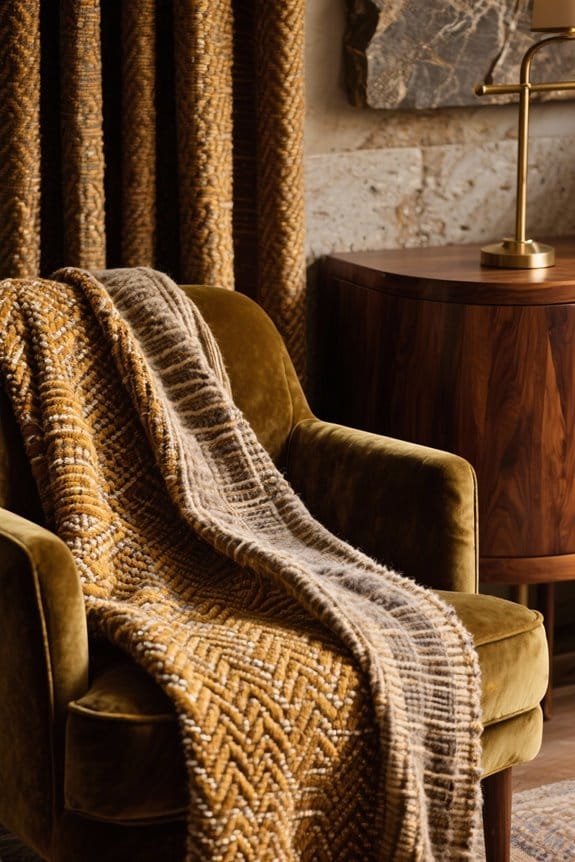
Selecting the appropriate materials is a significant aspect of tapestry weaving, markedly influencing the final product’s aesthetics, durability, and functionality. Material selection directly impacts a tapestry’s longevity, as fibers such as wool are celebrated for their strength, resilience, and natural elasticity. In contrast, while silk and linen may enhance visual appeal, they introduce a level of fragility that affects durability. The weight and twist of yarns also play an essential role; tightly twisted threads provide enhanced strength, crucial for intricate designs. Additionally, using natural dyes preserves color integrity better than their synthetic counterparts. Combining metallic threads or high-quality synthetic fibers can further bolster durability, ensuring tapestries remain robust amidst environmental factors and handling, showcasing artistry without compromising strength. Furthermore, high brightness levels can enhance the visibility of intricate designs, making the tapestry more striking when properly illuminated.
Recommended Products

COLLECTIBLE STORAGE TIN: This elegantly designed tin is perfect for organizing and displaying your tapestry wool collection, making it both practical and visually appealing.

Package Included: You will receive 6 knitting needles with 3 different sizes and lengths, suitable for you to use on different fabrics or yarns. The length of this yarn needles combination is 9cm/3.55inch; 7.9cm/3.11inch; 7.3cm/2.88inch, and inner diameters are 3.0mm, 2.5mm, 2.0mm. They can fit a variety of common sizes of nylon thread and can be used multiple times over a long time.

【Package Contents】You will receive 7 pieces knitting needles.Sufficient quantity to meet your daily use.
Weft-Faced Weaving: A Structural Advantage

An extensive understanding of weft-faced weaving reveals its unique structural advantages, greatly enhancing the durability of woven textiles. This technique relies on the predominance of weft threads, which not only conceal the warp but also create a denser fabric. As a result, stresses applied to the tapestry are distributed more evenly across the tightly packed weft, reducing wear and tear. Furthermore, incorporating thicker or multiple weft strands enhances strength, effectively resisting fraying over time. The structural integrity evident in weft-faced weaving enables tapestries to withstand various environmental factors while maintaining visual appeal. Additionally, meticulous color shifts minimize the risk of unraveling, ensuring the tapestry remains cohesive and intact, consequently exemplifying the practical and aesthetic merits of this weaving method. Moreover, tapestries that incorporate durable materials contribute to longevity, ensuring they maintain their beauty and function even in diverse settings.
Traditional vs. Modern Weaving Methods
The rich landscape of weaving techniques showcases a fascinating dichotomy between traditional and modern methods, each with its own merits and unique characteristics. Traditional tapestry weavers rely on handloom techniques that emphasize meticulous craftsmanship, resulting in durable fabrics that reflect centuries of artistry. In contrast, modern tapestry production increasingly utilizes Jacquard and computerized looms, enhancing the weaving process with speed and precision. This shift not only maintains durability through consistent tension but also permits the use of high-quality materials like wool and silk. Innovative digital design software now enables tapestry weavers to design intricate patterns that uphold strength, illustrating how advancements complement age-old techniques, allowing for a renewed appreciation of both traditional excellence and modern innovation in durability. Adjustable designs and easy installation strategies in tapestry production also play a crucial role in ensuring longevity and user satisfaction.
The Role of Tension in Durability
In the intricate world of tapestry weaving, the management of tension plays a pivotal role in determining the overall durability of the final piece, akin to the way taut strings produce clearer notes in a musical instrument. Proper tension control on a loom guarantees warp threads remain stable, preventing distortion and enhancing the durability of the finished tapestry. Insufficient tension can result in fabric looseness, increasing wear and tear risks, whereas excessive tension may strain fibers, leading to breakage. High-quality commercial looms, like those from Leclerc, offer consistent tension control, accommodating various yarns and patterns with precision. A tapestry with well-maintained warp tension is more resistant to environmental factors, such as humidity, ultimately contributing to its long-term preservation and durability. Additionally, the choice of durable materials directly impacts the longevity of the tapestry.
Common Challenges Impacting Longevity
While engaging in tapestry weaving, artisans frequently encounter several challenges that can greatly impact the longevity of their creations. Issues such as inconsistent warp tension can lead to distortion, compromising durability over time. Additionally, the use of discontinuous patterns, while artistically appealing, may increase weaving times, elevating risks of material wear if not adequately secured. Loose weft threads pose another challenge, as they can become visible through the warp, especially in high-traffic areas, diminishing overall strength. Furthermore, techniques like dovetailing and interlocking require precision; any slight misalignment can create weak joints, resulting in fraying or structural vulnerabilities. By addressing these challenges, artisans can better guarantee the durability of their intricate tapestry works.
Recommended Products

Wooden Weaving Loom Kit:pure natural wood material, eco-friendly, no-toxic, durable and delicate. Package include: 1 weaving loom, 2 shuttle stick,1 heddle bar,1 wooden comb,1 pcs black comd, 1 roll of woolen yarn(color randomy), 1 instructions.Great for kids weaving beginner or sample loom


STRONG & MADE TO LAST: Premium 50/50 blend of cotton and polyester warp thread / yarn
Preserving Color Fastness and Resistance to Fading
Achieving durable color fastness and resistance to fading in tapestry weaving requires a careful blend of technique, materials, and ongoing maintenance. The use of colorfast dyes, particularly natural ones with well-chosen mordants, plays a pivotal role in preserving the vibrancy of woven masterpieces. Additionally, selecting high-quality threads, such as silk for its superior dye absorption, can greatly enhance color retention. Employing specific weaving methods, like interlocking and dovetailing, secures the threads tightly, reducing the likelihood of fading due to environmental exposure. Furthermore, applying protective finishes such as conservation-grade sprays adds an extra layer of defense against deterioration. Consistent maintenance, including careful storage away from direct sunlight and humidity, is essential for sustaining the beauty and integrity of tapestry colors over time. Implementing eco-friendly practices while weaving can further ensure the longevity and preservation of both the tapestry and its vibrant colors.
Techniques for Securing Loose Ends
Securing loose ends in tapestry weaving demands meticulous attention to detail, as these seemingly small elements can greatly impact the artwork’s longevity and aesthetic appeal. Effective techniques for securing loose ends often include stitching the ends into the surrounding weft using a tapestry needle, creating a smooth, inconspicuous finish. For thicker yarns, applying knots is recommended, ensuring they remain secure yet subtle, avoiding excessive bulk that could mar the design. Additionally, utilizing tapestry adhesive or fabric glue can enhance durability when combined with stitching. Regular maintenance checks are essential, as they allow artists and enthusiasts alike to identify and address loose ends proactively, thereby preserving the tapestry’s structural integrity and prolonging its visual grace. By incorporating user-centric design aspects into the weaving process, artists can further enhance the overall durability of their tapestries.
The Impact of Fiber Quality on Durability
In the domain of tapestry weaving, fiber quality stands as a cornerstone of durability, influencing both the tactile experience and visual appeal of the finished work. High-quality materials such as fine wool and silk provide exceptional strength, with wool’s elastic nature and scale-like structures contributing to longevity and resistance against fraying. Conversely, silk enhances aesthetic beauty, although it demands careful handling due to fading and abrasion risks. Synthetic fibers offer advantages like mold resistance yet may detract from traditional artisanship. In addition, the techniques employed in spinning and dyeing fibers greatly affect durability; tightly spun, well-dyed materials resist fading and brittleness, ensuring that the tapestry’s vibrancy and structural integrity endure over time, illustrating the profound impact of fiber quality on durability in tapestry production. Furthermore, durable polyester is commonly used in wall tapestries, as it ensures longevity and vibrant colors, making it ideal for decorative purposes.
Recommended Products

PREMIUM QUALITY CRAFT MATERIALS: Desert Breeze Distributing Merino Wool Roving will become your favorite craft material. It is made from 100% merino wool - pure and natural wool. It is perfect for artisans who value high-quality, sustainable resources for their textile projects.
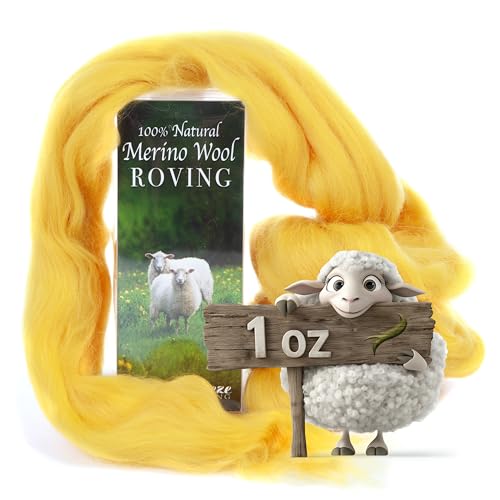
PREMIUM QUALITY CRAFT MATERIALS: Desert Breeze Distributing Merino Wool Roving will become your favorite craft material. It is made from 100% merino wool - pure and natural wool. It is perfect for artisans who value high-quality, sustainable resources for their textile projects.

DYED MERINO WOOL ROVING - Super Soft Assortment of Gray & White Spinning Wool Roving Top, Perfect for Needle Felting & Wet Felting, Spinning on Drop Spindle or Spinning Wheel, Weaving & Tapestry
Special Techniques for Enhancing Strength
Crafting a tapestry that stands the test of time involves not only the selection of high-quality fibers but also the implementation of specialized techniques that enhance strength and durability. Techniques such as dovetailing and interlocking secure the colors throughout the weave, providing essential structural stability. Additionally, discontinuous weft methods facilitate tighter interlacing of woven threads, which contributes to overall density. The incorporation of premium fibers, like silk or treated wool, greatly boosts durability while preserving aesthetic appeal. Moreover, careful tension management during weaving reduces stress points, helping maintain the tapestry’s integrity. Finally, securing loose ends on the back, an essential finishing technique, prevents fraying, ensuring the tapestry’s longevity and resilience against wear and tear. Furthermore, the use of high-quality polyester fabric can significantly enhance a tapestry’s durability, as seen in various popular designs.
Care and Maintenance for Long-Lasting Tapestries
Although tapestries can bring beauty and culture to any space, their longevity heavily relies on proper care and maintenance. Regular cleaning, using a soft brush or a vacuum with a low suction setting, effectively removes dust and dirt that may degrade the fibers, guaranteeing both durability and visual appeal. Storing tapestries in a cool, dry environment, away from direct sunlight, is essential to prevent fading and deterioration of materials used. Opting for acid-free materials during mounting or framing safeguards against chemical damage. Additionally, it is wise to avoid placing heavy furniture directly on tapestries, as this can crush their intricate textures. For any deeper stains, consulting a professional textile conservator guarantees proper cleaning techniques while preserving the tapestry’s integrity. Incorporating user-friendly design features into the mounting process can further enhance the tapestry’s longevity and visual impact.
Recommended Products

HIGH QUALITY: Sturdy and safe, these mounting strips are made from conservation quality archival polyester (Melinex or equivalent) and acid-free paper with a self adhesive backing strip.

Linen tape is an acid free tape

25 MORE YARDS than other brands for an AFFORDABLE PRICE and BETTER QUALITY! This CLEAR adhesive tape measures 1 in. X 55 yds
Innovations in Tapestry Weaving for Increased Durability
Advancements in tapestry weaving have revolutionized the way these artistic textiles are created, enhancing both their aesthetic appeal and durability. Modern innovations leverage advanced materials, such as synthetic fibers, which outperform traditional natural fibers in durability and resistance to wear. The introduction of computerized Jacquard looms allows artisans to create intricate patterns while maintaining consistent tension, adding to the tapestry’s robustness. Interlocking weaving techniques create stable structures that markedly reduce unraveling, despite the complexity of the design. Additionally, energy-efficient looms enable tight thread weaving, resulting in a solid fabric that endures environmental stressors. With stringent quality control measures, producers guarantee that only high-quality materials and advanced techniques contribute to long-lasting, durable finished products, combining artistry with practicality.
Frequently Asked Questions
What Makes Tapestry Different From Other Types of Weaves?
Tapestries differ from other weaves through their rich history, specialized tools, and careful fiber selection, enabling unique artistic expression. For instance, medieval tapestries showcased intricate designs, demonstrating both craftsmanship and durability unlike simpler woven textiles.
Why Does Weaving Supply Low Quality of Fabric?
Weaving supplies produce low-quality fabric due to substandard weaving materials impacting fabric strength factors. Inadequate quality control importance, inappropriate yarn types influence, and inconsistent techniques contribute considerably to the overall durability and integrity of the finished product.
How Does the Type of Weave Pattern Affect the Fabric?
Weave density determines durability, while pattern complexity influences intricacy. Thread material further impacts finished texture, combining these factors creates a tapestry’s resilience. Superior techniques guarantee longevity, balancing aesthetic appeal with structural strength for lasting beauty.
What Are the Advantages and Disadvantages of Weaving?
Weaving offers advantages such as versatility in fiber selection and creative color blending, but disadvantages include potential challenges with warp tension management and limitations due to tool choices, impacting overall quality and efficiency during the process.