As an Amazon Associate, we earn from qualifying purchases. Some links on this site are affiliate links at no extra cost to you. Our recommendations are based on thorough research and editorial judgment.


The Psychology of Curved Shapes Vs Angular Designs

The psychology of curved shapes versus angular designs reveals a fascinating interplay of emotional responses. Curved forms often evoke feelings of comfort and safety, while angular shapes can increase alertness but may induce stress. Designers like Zaha Hadid and Frank Gehry leverage these dynamics in their work, crafting spaces that elicit specific emotions. By blending both styles, architects can create environments that cater to diverse emotional needs, inviting exploration of how shape influences architectural and personal experiences.
Key Takeaways
- Curved shapes evoke positive emotions, fostering comfort and safety, while angular designs may induce stress and activate increased alertness.
- Physiological studies show that rounded environments can lower heart rates, promoting a calming effect on individuals.
- Cultural influences affect design preferences; collectivistic societies tend to favor curves, whereas individualistic cultures lean towards angular forms.
- Women generally prefer curved shapes for their comfort, while men often gravitate towards the structure of angular designs.
- Blending curved and angular elements in design can optimize user experience, catering to varied emotional and aesthetic needs.
Emotional Responses to Curved Designs

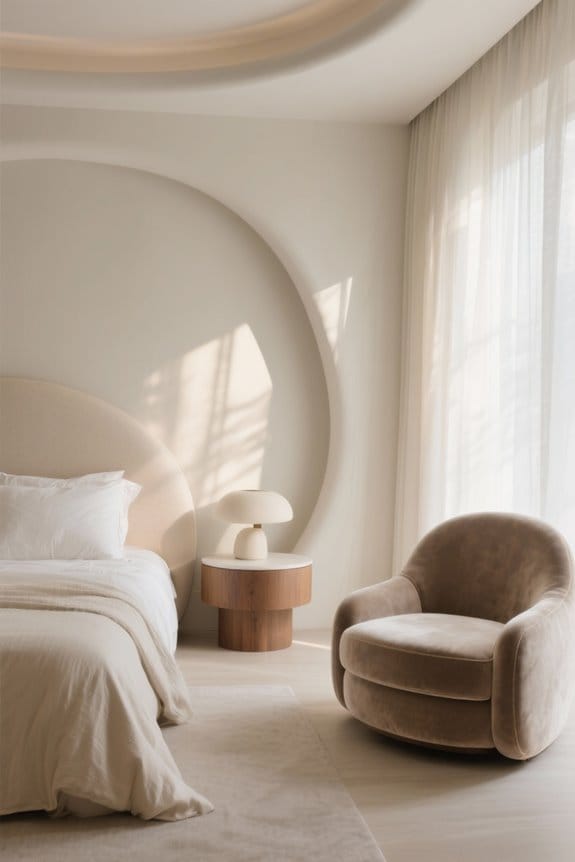
In the world of design, countless studies illustrate that curved shapes elicit remarkably positive emotional responses in individuals, creating a sense of comfort and safety that is often absent in angular designs. Research shows that curved environments contribute to stress reduction, promoting well-being by enhancing user experience. For instance, spaces adorned with rounded elements, like the designs by architect Zaha Hadid, are frequently described as more beautiful and pleasant compared to rigid alternatives. Physiological studies reveal that these designs can lower heart rate arousal, reinforcing their calming effects. Importantly, even infants exhibit a preference for curvature, highlighting an innate connection to positive emotions associated with these shapes. Such findings underscore the significant psychological effects of curved shapes in design. Additionally, modern objects, such as large laundry hampers, often utilize curved designs that add to the aesthetic appeal and functionality within home environments.
Recommended Products

Pamper yourself with the ultimate luxury and comfort - wrap yourself in warm, dry towels and bathrobes after every shower or bath. Never worry about a cold, damp, smelly towel again!
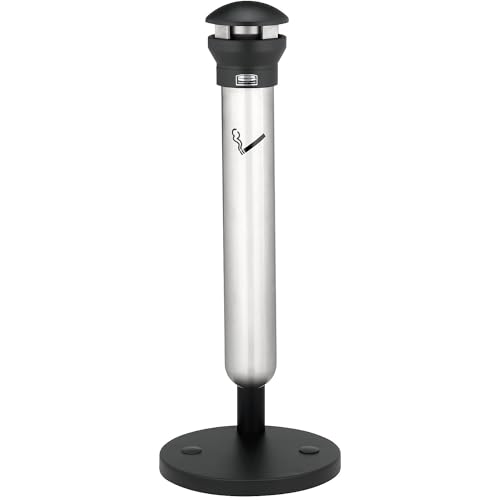
DESIGN: Designed with unobstructed funnels to reduce jamming during cigarette disposal
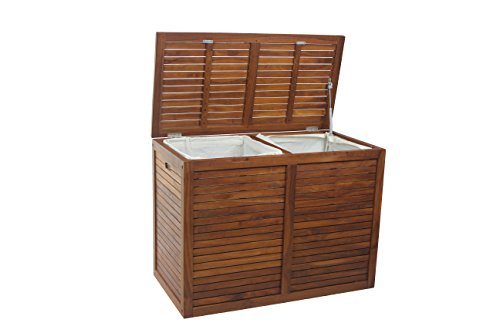
FEATURED IN THE WALL STREET JOURNAL AND ARCHITECTURAL DIGEST MAGAZINE! AquaTeak has graced The Wall Street Journal, Architectural Digest and shows on HGTV and CBS as well as blockbuster movies.
Emotional Responses to Angular Designs
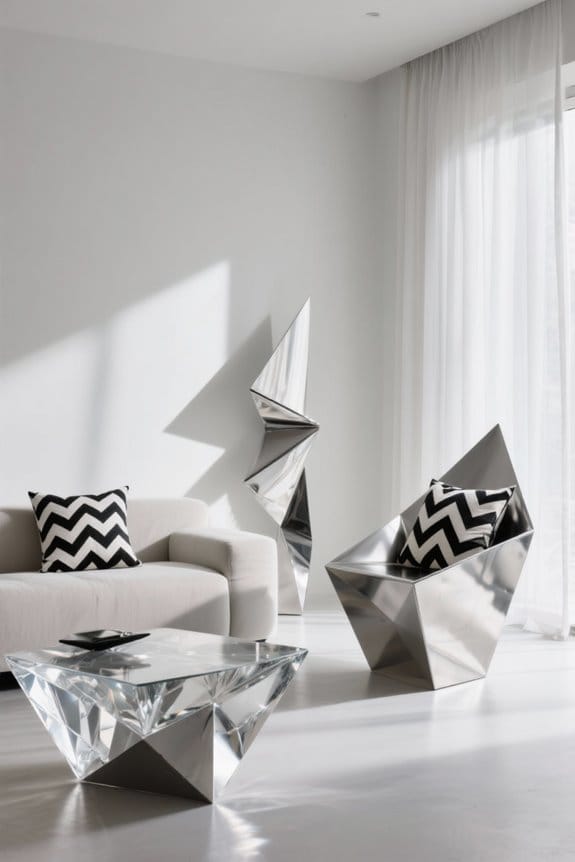
Angular designs, characterized by sharp lines and geometric structures, often trigger a complex array of emotional responses in individuals. Research indicates that these angular designs activate the amygdala, heightening alertness while potentially inducing fear or apprehension linked to danger in nature. Curiously, many individuals experience increased focus and energy in environments filled with sharp angles. Yet, the psychological impact of such designs varies across cultural backgrounds; some cultures celebrate the modernity and dynamism of angular shapes, contrasting with a preference for curvature that suggests comfort and warmth. While angular environments can enhance productivity, excessive use may evoke feelings of rigidity or coldness, emphasizing the delicate balance in creating spaces that positively influence the human experience and promote stress reduction. Furthermore, the ergonomic designs of furniture, like contemporary armchairs, can soften the effects of angular environments, making them more inviting and comfortable for users.
Recommended Products

Ergonomic Chair Design: The Gesture chair by Steelcase is expertly designed to redefine the relationship between you and your chair, adjusting to your unique body and work posture

Set of Two – Includes 2 Rowan Lounge Chairs, ideal for creating a stylish seating area in your living room, bedroom, or office

Tablet surface is large enough to fit most laptops, tablets and notebooks
Cultural Influences on Design Preferences

Design preferences often reflect deeper cultural values, revealing a fascinating interplay between environment and identity. Cultural differences play a significant role, with collectivistic cultures generally favoring curved shapes, which provide psychological benefits such as comfort and approachability. In contrast, individualistic cultures often lean towards angular designs, emphasizing structure and individuality. Research demonstrates that rounded shapes resonate positively across both European and Asian cultures, while unique perspectives on curvature in Turkish culture highlight the complexity of preferences. Additionally, self-construal impacts these choices, as individuals with relational identities typically gravitate towards curves. Gender preferences also emerge, with studies indicating women are more inclined towards curved shapes, while men tend to favor angular forms, showcasing the multifaceted influences on design preferences. Furthermore, the design features of bed skirts, such as pleating and ruffles, reveal how aesthetics influence comfort and perceive cleanliness in decorative choices.
Recommended Products

100% Cotton Fabric: Crafted from 100% cotton fabric, this quilt set offers natural breathability and a smooth texture. The lightweight cotton construction provides comfortable everyday bedding suitable for year-round layering.

[Outstanding Beauty]: Would you like to own a piece of art table? This end table is a good choice. Classic cherry color appearancewith soft lines outlines the unique beauty of simple mid century mordern style. Durable solid wood frame topped with tempered safety glass (0.3" thick) ensures stability and easy cleaning.

Material: 100%Cotton high-density fabric linen + quality lace
Practical Implications of Shape in Architecture
Curved shapes in architecture, such as those seen in the flowing lines of the Guggenheim Museum designed by Frank Lloyd Wright, markedly influence the emotional responses of occupants. These architectural forms promote emotional well-being by evoking feelings of comfort and safety. In contrast, angular designs often stimulate alertness but can trigger negative emotions. Physiological studies reveal that environments imbued with curves can reduce heart rate arousal, highlighting their calming effects. Additionally, cultural preferences play a significant role, as collectivistic societies generally favor curved shapes associated with beauty and comfort. By thoughtfully blending curved shapes and angular designs, architects can create harmonious spaces, effectively optimizing both functional and emotional experiences tailored to human preferences. Notably, incorporating non-slip features in design considerations can further enhance safety and user comfort in architectural spaces.
Recommended Products

⛅[Modular Sofa] Each module of the modular sofa is individual and connected by a link buckle. Depending on the size of the living room, apartment, or bedroom space, the cloud sofa can be freely combined. The anti slip design allows you to avoid worrying about the sofa module moving freely.

【Cast Aluminum Built To Last】Our set is made of sturdy and durable cast aluminum for long-term durability. Resistant to rust, weather, fade, crack. The patio furniture set features an oil-rubbed bronze finish for a timeless look that is designed to withstand the elements year-round. If you use this set by the pool, it’s all-weather quality helps prevent water damage caused by wet swimsuits and splashing. It is also easy to clean, you just need to use a cloth to easily wipe away the dirty things.

【Elegant 9-Piece Dining Set】 - This MEETWARM patio set includes 1 oval table, 8 swivel chairs, meets all of your outdoor furniture needs, adding style to your space without sacrificing comfort. The chairs fit perfectly around the table for backyard family dining, picnics, or lounging poolside with friends, match any decor and suitable for outdoor and indoor use.
The Intersection of Shape and Emotional Well-being
The interplay of shape in architecture is an intriguing field, where the emotional well-being of individuals is considerably influenced by the design elements of their surroundings. Research reveals that curved shapes evoke positive psychological states, fostering feelings of comfort and safety, while angular designs can trigger stress and apprehension. Environments featuring rounded forms are linked to heart rate reduction and stress mitigation, vital in therapeutic settings. For instance, renowned designer Thomas Heatherwick often incorporates gentle curves in his work to enhance user experience. Additionally, cultural preferences vary, with collectivistic societies embracing curved designs, enhancing communal comfort. Ultimately, integrating both curved and angular elements can create dynamic atmospheres that cater to diverse emotional needs, emphasizing architecture’s profound impact on well-being. Moreover, the incorporation of narrow accent cabinets contributes to the overall aesthetic and emotional ambiance of a space, reinforcing the connection between design and psychological effects.
Frequently Asked Questions
Recommended Products

4-Motor Precision Adjustability: Silent electric motors independently control height, backrest, leg rest, and tilt for perfect positioning in the spa or exam treatment sessions.

Foldable - simple to fold, unfold, and portable to use anywhere.
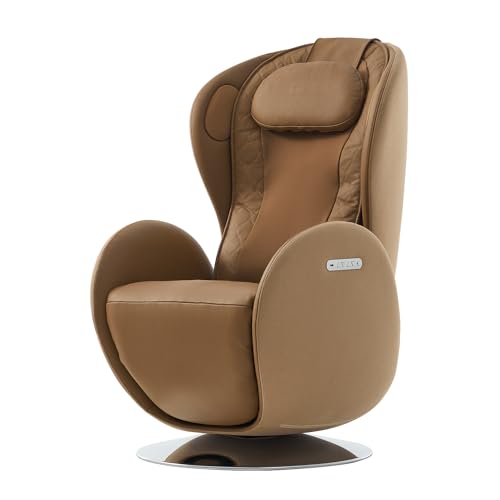
【Born to be a Massage Chair】: LUNA means "moon." Just as the moonlight illuminates the quiet midnight sky, LUNA is inspired by nature and embodies the inspiration and relaxation of the natural world. With personalized adjustable functions, relaxation is brought closer to our lives, offering personalized comfort to suit different body shapes and relaxation needs.
What Is the Difference Between Curved and Angular Shapes?
Curved shapes often embody natural forms, enhancing visual balance and promoting comfort in architectural styles, interior decor, and product design. Angular shapes emphasize precision and structure, impacting branding elements and user experience, influenced by cultural aesthetics.
What Is the Emotional Effect of Angular Lines Compared to Curved Lines?
Angular lines often elicit negative emotional responses, enhancing alertness yet inducing stress. In contrast, curved shapes promote comfort, influencing aesthetic preferences and psychological associations, ultimately impacting cognitive processing, visual perception, and social interactions in creative expression.
Do Observers Like Curvature or Do They Dislike Angularity?
Observers generally prefer curvature, influenced by its visual appeal and emotional resonance. This inclination underscores shape psychology in consumer choices, impacting brand perception and artistic expressions, while angular designs evoke discomfort, challenging contemporary functional designs and aesthetics.
What Is the Psychology of Curved Lines?
Like a gentle embrace, curved shapes evoke positive emotional responses, enhancing visual comfort and aesthetic appeal. Their psychological impact influences design preferences, facilitating cognitive ease and improving user experience, especially in branding where warmth attracts consumers.