As an Amazon Associate, we earn from qualifying purchases. Some links on this site are affiliate links at no extra cost to you. Our recommendations are based on thorough research and editorial judgment.


Understanding Different Picture Hanging Systems

Understanding different picture hanging systems, such as cable and rail options, provides both aesthetic versatility and practical functionality. Systems like the French cleat design interlock for solid support, making them ideal for heavier artworks, while cable systems allow for effortless repositioning. Modern hanging setups use lightweight materials to accommodate a range of weights, offering a clean visual appeal with minimal hardware visibility. Exploring these systems further reveals tailored solutions for your unique display needs and preferences.
Key Takeaways
- Various picture hanging systems include cables & rail, direct mount, French cleat, frame cable, and rail & cleat systems, each with unique features.
- Cables & rail systems allow for versatile repositioning, while direct mount systems emphasize a clean aesthetic with minimal visible hardware.
- French cleat systems provide strong support for heavier artworks by interlocking, whereas frame cable systems ensure a balanced appearance with a single cable.
- Maintenance and adjustable hooks in modern systems facilitate easy height adjustments and keep artworks properly aligned and secure.
- Installation considerations like wall type, weight capacities, and proper mounting hardware are crucial for effective and safe picture hanging.
Types of Picture Hanging Systems
When considering the various types of picture hanging systems, it becomes immediately clear that each system offers unique advantages tailored to specific display needs. Cables & Rail Systems provide flexibility, allowing art pieces to be repositioned easily in galleries or homes. Direct Mount Systems focus on a clean aesthetic with minimal visible hardware, using one or two anchors for hanging pictures. French Cleat Systems interlock for sturdy support, perfect for heavier artworks and simple adjustments. Frame Cable Systems guarantee a balanced look with a single steel cable but are less adaptable for frequent changes. Finally, Rail & Cleat Systems enable multiple artworks to be displayed in alignment, facilitating durable hanging for larger pieces without overwhelming wall space. Moreover, Command picture ledges offer stylish and versatile displays without the commitment of traditional mounting options.
Recommended Products

Digi-Pas 2-AXIS, ULTRA-Precision, Wireless, Digital Level/Inclinometer, REVOLUTIONIZE precision alignments by SIMULTANEOUSLY display both X&Y axis level states WIRELESSLY on your Smartphone, Tablet and PC screen while you are adjusting machine footings. This allows with ONE-MAN operation, thus completely eliminates using 2 units of single-axis levels, with TWO-MEN operation as experienced on Old-fashioned Spirit level or single-axis inclinometer.

WEATHERPROOF OUTDOOR TELEVISION – SunBriteTV SE (Special Edition) 43-inch for partial-sun and high ambient light applications such as patio, deck, yard.

【138-INCH OUTDOOR CINEMA EXPERIENCE】 138-inch diagonal projection screen in a 16:9 format with a viewing area of 67.7" H x 120.3" W delivers a large, immersive display for backyard movies, events, and presentations.
Benefits of Using Modern Hanging Systems

A multitude of benefits accompanies the use of modern picture hanging systems, elevating both the art of display and the overall aesthetic of residential and commercial spaces. These art hanging systems offer remarkable flexibility, allowing users to hang pictures both horizontally and vertically with ease. Constructed from lightweight materials, they can accommodate heavy-duty artworks ranging from 3 pounds to over 250 pounds, ensuring secure support regardless of size. The clean design minimizes visible components, preserving wall integrity while offering quick adjustments and facilitating frequent removal and replacement of pieces. Advanced options, such as French cleats, enhance this system’s usability, making it easier for users to update their displays without the hassle of complex reinstallation processes, creating an enjoyable art experience. Additionally, modern systems often feature heavy-duty construction that ensures longevity and stability, similar to industrial garment racks designed for safe support.
Recommended Products

【Solid Aluminum Construction & Hold up to 500 Pounds】- Say goodbye to worries about your hanging items falling due to insufficient load-bearing capacity! Unlumm French cleat hanger is crafted from heavy-duty, 3 mm thick aircraft-grade aluminum, providing exceptional strength and durability. Keep your valuable equipment securely mounted on the wall with this reliable heavy duty french cleat hanger, rigorously tested to support up to 500 pounds. Enjoy peace of mind knowing your items are safe and secure

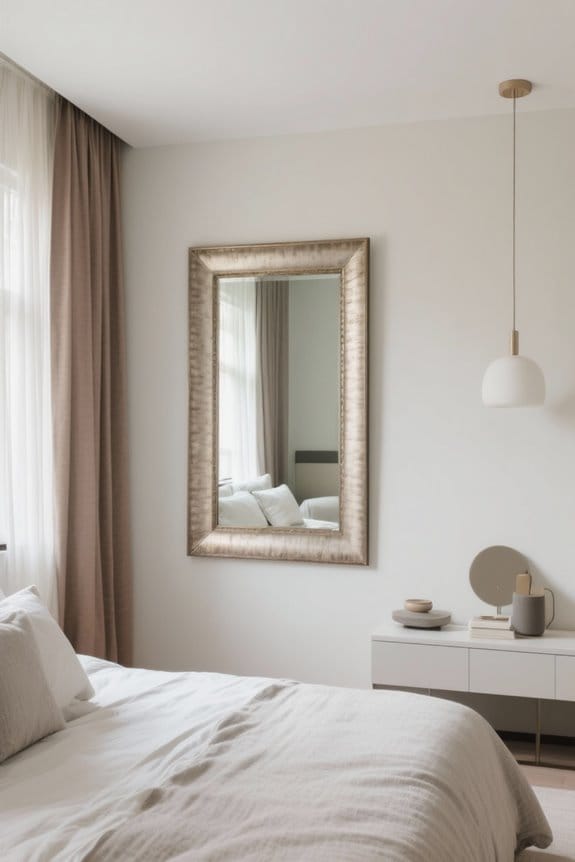
【Durable Gold Framed Mirror】: WEER gold bathroom vanity mirror is made of premium brushed alumium alloy frame, which is anti-rust and non-deformed. Practical rectangle rounded corner mirror with simple classic clean line features the modern and industry style;

What you will get: Mantel, installation bracket, screws, and dry wall anchors. To make the installation process effortless and quick, a you will need: Tape measure, Stud finder, Pencil, Level, & Drill.
How to Choose the Right Picture Hanger

Selecting the right picture hanger involves careful consideration of various factors that guarantee both functionality and aesthetic appeal in display settings. First, assess weight capacities; picture hanging hardware supports artworks ranging from 3 pounds to over 250 pounds. For varied frame structures, wood frame hangers distinctly contrast with metal plate options, impacting installation methods. Additionally, evaluating installation requirements is vital; options like picture wires and adjustable cables offer flexibility, whereas direct mounts necessitate fixed anchors. For lightweight foam-mounted pieces, foamboard hangers prove effective, while robust solutions like French cleats provide stability for heavier items. Ultimately, choosing the right hanger depends on the art piece and wall surface, ensuring an appropriate balance between style and structural integrity for the display. Consider the importance of safety features when displaying heavier artworks to prevent accidents.
Recommended Products

988 tire machine air bead blaster function is included in the machine power supply:110V motor power:110V outside clamping:12"-20" inside clamping:12"-24"
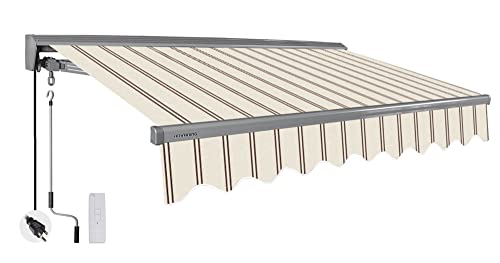
𝗖𝗢𝗟𝗢𝗥 & 𝗦𝗜𝗭𝗘: Classic Series Features a Gray Frame, Fabric Color: Natural Beige with Brick Red Stripes, Size: 16' Wide x 10' Projection Full Extension. Advaning Awnings are 100% Fully Pre-Assembled and Ready for Installation.

Motorized Electric Projector Screen with Remote Kit – Enjoy effortless control with one-touch operation. Lower or retract the screen smoothly using the included remote. Programmable Drop Position – Set your preferred screen height. Selectable RF channels let one remote control multiple screens without interference.
Installation Considerations for Different Systems
Although various picture hanging systems exist, each requires unique installation considerations to guarantee ideal performance and safety. For instance, the French cleat system necessitates precise leveling and secure anchoring due to its weight capacities, making it suitable for heavier artworks. Conversely, sawtooth hangers offer a more straightforward approach, requiring only basic screws or nails. Additionally, it is vital to select appropriate mounting hardware, such as drywall anchors for substantial pieces, to prevent wall damage. Evaluating wall types is essential; drywall may require different anchors compared to plaster or concrete. Using proper tools, including bubble levels and the right drill bits, guarantees accurate installation, enhancing both the visual appeal and horizontal alignment of displayed artworks. Adjustable bed skirts can also serve as a creative solution for displaying artwork above beds without compromising space. High-quality materials also contribute to the system’s longevity.
Recommended Products

Fully Assembled TV Console: The floating tv stand is pre assembled before delivery, you only need to install it on the wall by refering the instruction. Weight Capacity: 110 LBS. To safeguard its oversized dimensions, this premium product is split into two specialized packages for secure shipping

【Backlit & Frontlit】 The Keonjinn updated LED mirror features two high-density light strips that provide both ultra-bright front light and back light. With the upgraded UL/FCC listed LED driver, you can turn on only the backlight independently as an ambient light, or only the front light to save energy.Get three styles of mirrors at once.
【High Brightness and Energy-Saving】The TETOTE LED mirror offers 9500 lux high brightness illumination, which is 18% brighter than the 8,000 lux of ordinary LED bathroom mirrors, ensuring the lights are bright enough without flickering while being eye-protecting. Featuring an eco-conscious upgraded structure, it saves 32.8% on your energy bills and significantly reduces carbon footprint.
Maintaining and Adjusting Your Artwork Display
Guaranteeing that an artwork display remains vibrant and securely arranged requires routine maintenance and thoughtful adjustments, particularly after a careful installation. Regularly checking the alignment and stability of artwork, especially those hung using cable or rail systems, is essential as these can shift over time. Adjustable hooks or fittings allow for altering the height of pieces, optimizing viewing angles and light exposure. In gallery-style setups, utilizing French cleats or rail systems enables easy repositioning by unclipping or lifting artwork, making it flexible for new additions. Using a level tool for precise adjustments helps maintain a straight and polished look, while implementing a maintenance schedule to inspect hardware, including picture hangers and hooks, guarantees everything remains in excellent condition for artwork displays. Incorporating user-friendly controls can enhance the experience of adjusting and rearranging artwork displays.
Frequently Asked Questions
What Are the Different Types of Picture Hangers?
Over 70% of homeowners use various picture hangers for decorative wall art. Common types include sawtooth, D-rings, and specialty hangers, each differing in weight capacity limits and wall surface considerations, offering unique DIY hanging solutions for diverse picture frame styles.
What Is the 2 3 Rule for Hanging Pictures?
The 2/3 rule for hanging pictures dictates that artwork should be positioned at an ideal hanging height of 57 to 60 inches, promoting visual balance by aligning frame sizes and adhering to spacing guidelines during artwork grouping.
What Are the Different Types of Hanging Mechanisms?
Like a skilled conductor, various hanging mechanisms orchestrate art on walls; options include hook types, wire options, sawtooth hangers, D ring fixtures, magnetic strips, adhesive strips, wall brackets, French cleats, and gallery rails.
What Is the Best Picture Hanging System?
The best picture hanging system balances framed art weight capacity and style coordination. Installation tips include choosing appropriate hanging kits, ensuring level alignment, and considering noise reduction with mounting options that suit diverse wall decor preferences.