As an Amazon Associate, we earn from qualifying purchases. Some links on this site are affiliate links at no extra cost to you. Our recommendations are based on thorough research and editorial judgment.

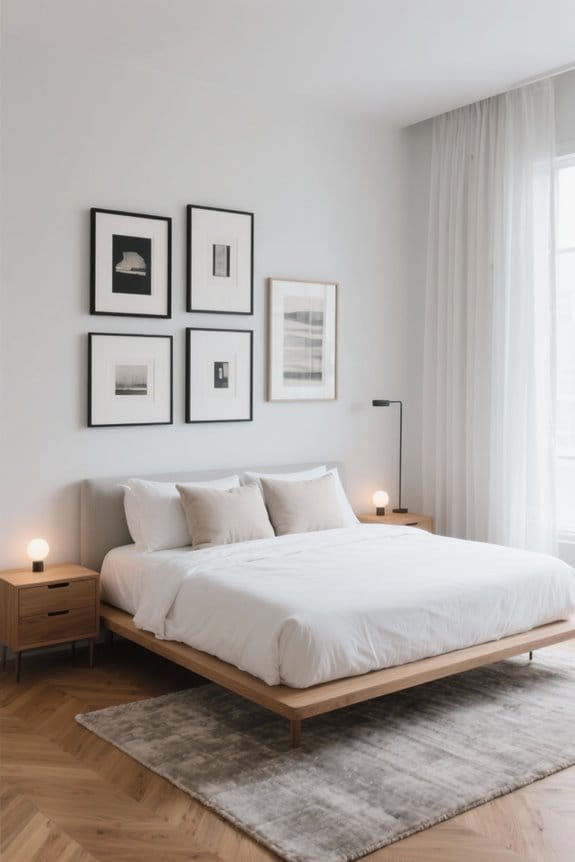
Understanding Frame Matting Techniques for Artwork

Understanding frame matting techniques for artwork requires attention to detail, as these methods safeguard pieces while enhancing their visual appeal. Using high-quality, acid-free materials like 100% cotton rag museum-grade mat boards, artists create depth and dimension that captivate viewers. Techniques such as weighted mats, varied textures, and double matting establish a sophisticated presentation. According to the Fine Art Trade Guild, adherence to archival standards is essential for longevity. Exploring these concepts further can elevate the appreciation of art presentation.
Key Takeaways
- Utilize acid-free, museum-grade materials to protect artwork from degradation and ensure longevity.
- Incorporate techniques like weighted mats for visual balance and double matting for added sophistication.
- Cut mats with precision using a Logan cutter, ensuring clean edges and correct measurements.
- Avoid non-archival methods that can damage artwork, and choose neutral tones for timeless appeal.
- Adapt mounting techniques to highlight textures and enhance the overall presentation of the artwork.
The Importance of Matting in Artwork Presentation
Although often overlooked, the process of matting in the presentation of artwork is fundamentally important for both aesthetic appeal and preservation. Effective matting techniques utilize acid-free and archival materials, like 100% cotton rag museum board, which prevent acidic degradation, while simultaneously sheltering the artwork from moisture and physical damage. A well-sized mat enhances the viewer’s eye by positioning the bottom border slightly larger, a method known as weighting the mat, fostering visual balance. Double matting adds a sophisticated layer, enriching the frame’s overall aesthetic without overwhelming the artwork itself. Adhering to professional standards in matting reflects a commitment to quality, ensuring that both the appearance and longevity of the framed piece are preserved for future generations to appreciate. Moreover, similar to the way eye-friendly illumination is essential for comfortable reading, proper matting techniques significantly enhance the visual comfort of artwork.
Key Materials Used in Frame Matting

Selecting the right materials for frame matting is key to achieving both aesthetic appeal and long-term preservation of artwork. High-quality mat boards, particularly 100% cotton rag options, are acid-free and museum-grade, guaranteeing the durability and safety of the artwork. Standard thicknesses range from 2-ply to 8-ply, with 4-ply being a popular choice for various applications. Utilizing archival quality materials, such as buffered mat boards, helps prevent acid migration that could harm the artwork. The surface texture of the mat board, whether smooth or linen-finish, enhances visual appeal. In addition, incorporating conservation matting techniques, along with archival mounting corners, linen tape, or reversible hinges, guarantees a secure presentation while minimizing damage risks during matting and framing processes. Additionally, using energy-efficient lighting can complement the overall display of framed artwork, enhancing visual satisfaction in your space.
Recommended Products

PERFECT FOR FRAMING & DISPLAY:Includes 25 full size uncut backing boards, ideal for photo framing, art prints, posters, and document display. A practical solution for artists, photographers, sellers, and home framing projects

White Mat Moard Sets: This item comes with 12 sets of picture mat boards, providing an ample supply to meet your daily usage and replacement needs
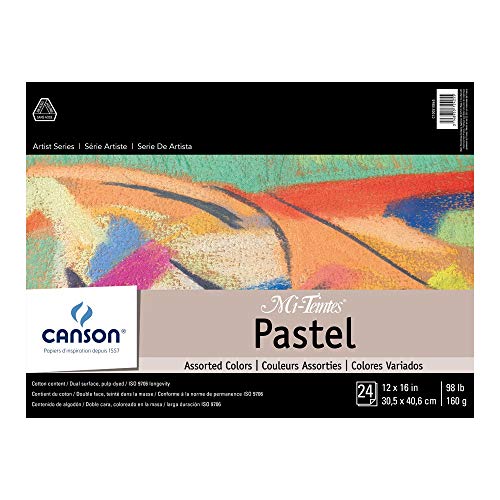
Recognized world wide as the preferred papers for pastel, drawing, and paper craft
Professional Standards for Matting Techniques

When it comes to professional standards for matting techniques, precision and quality are paramount for framing artwork effectively. Adhering to guidelines established by the Fine Art Trade Guild, professional framers often employ museum-quality methods, ensuring that only acid-free and archival materials are used. This commitment preserves the artwork’s longevity while protecting it from deterioration. Matting techniques also include the practice of “weighting the mat,” where the bottom mat border is ¼ inch larger to prevent optical illusions. Additionally, beveled mats, cut at a 45-degree angle, offer a polished edge that enhances presentation. Education and training in these techniques are essential, allowing art conservators to maintain high standards in art preservation and presentation, ensuring each piece is treated with the utmost respect and care. Furthermore, understanding proper humidity levels is crucial since variations can affect the integrity of the artwork over time.
Step-by-Step Guide to Cutting Mats
Achieving the perfect mat cut involves a meticulous process that guarantees both accuracy and professionalism in framing artwork. Using a Logan 700SGM cutter system assures precision in mat cutting, featuring a cutting head on a rail for straight cuts. To begin, one should draw guiding lines on the back of quality mat board while placing a scrap mat beneath to protect the cutting surface. The size of cut mats is essential; an appropriate opening ratio offers necessary breathing space around the artwork, enhancing both presentation and protection. Employing single-edged razor blades prevents jagged edges, as dull blades compromise cut quality. Keeping hands and tools clean throughout this process can prevent oils from damaging the cotton mat board, preserving its integrity and aesthetic appeal. Additionally, using adjustable shelves can be a great way to display artwork while maximizing vertical space in your home.
Recommended Products

Secure locking tempered glass door

Finish: Light Brown

Material: Wood, clear glass
Assembling the Mat and Frame
Assembling the mat and frame involves a careful, well-structured process that guarantees the artwork is showcased beautifully and securely. The right matting can elevate any piece, providing balance and enhancing visual appeal. When using multiple mats, consider a perfect mat that complements the artwork, creating extra space for visual breathing room. Hinge the mat to the backing board with linen tape, confirming it remains hidden on the front for a clean presentation. Mount the print directly to the backing board, maximizing protection without a mat. Before final assembly, always clean the glass with Windex to remove dust, as even the tiniest speck can distract from the artwork. Following the manufacturer’s instructions assures proper alignment and a polished finish. Additionally, using eco-friendly options can minimize environmental impact while displaying your art.
Recommended Products

CONTENT: Black Solid Wood Frame. Acrylic Front Face (NOT GLASS). Fits 36x48 poster exactly but displays 35.5x47.5 without mat. Also displays 29.5x39.5 with the included mat. 30x40 poster can be taped to the mat.

Features: All boards are acid-free, polystyrene foam core, PH Value: White= 9, PH Value: Black= 8.3, Allows for reliable mounting, and cuts easily and with memory

Photo Storage Bags - Slip your art into these bags, and fold over the flap which has a resealable adhesive strip on it. In just seconds, your art is placed in a safe environment, and can be stored in a Storage box, flat file, portfolio, or print rack!
Common Mistakes to Avoid in Matting
Although many may assume that matting is a straightforward process, several common pitfalls can compromise the integrity and aesthetic of the artwork. One mistake involves using non-archival methods, such as regular tape or glue, which can damage artwork over time. Additionally, when choosing the right mat boards, one should avoid overly thin mats for larger pieces, as this can create visual imbalance. It’s essential to cut mats to appropriate sizes, ensuring breathing space around the artwork to prevent potential damage. Furthermore, opting for neutral tones instead of trendy colors enhances the artwork’s appeal and longevity. Finally, humidity levels must be considered, particularly in coastal areas, where excessive moisture can negatively impact both the mat and the artwork. The quality of framing materials, such as solid wood, is also critical in preserving the artwork’s value and ensuring its durability.
Recommended Products

TEN SINGLE MATS without backing or mat bags, Featuring a picture opening for a 24x36 inch photo, to fit in a 27x40 inch picture frame. Photo openings are beveled cut 0.5" smaller than the art size advertised to overlap the photo and help keep it securely in the frame.


25 SINGLE MATS with Acid Free Backing Boards and Crystal Clear Self Seal Bags, Featuring a picture opening for a 10x20 inch photo, to fit in a 12x24 inch picture frame. Photo openings are beveled cut 0.5" smaller than the art size advertised to overlap the photo and help keep it securely in the frame.
Special Considerations for Different Environments
A well-considered approach to framing artwork involves special attention to the unique environmental factors that can influence both the matting and the piece itself. In coastal settings, enhanced sealing methods, such as acid-free tape, are essential to prevent moisture infiltration, while silica gel packets are recommended to regulate humidity levels. Using museum-quality cotton mats over wood-pulp alternatives in high-humidity areas guarantees better preservation by reducing deterioration risks. Regular assessments for moisture damage remain critical, as humidity notably impacts the longevity of both mats and artwork. Additionally, it is imperative to position framed pieces away from direct sunlight, particularly in bright environments, to shield against UV damage, thereby maintaining the pristine condition of the artwork over time. Incorporating techniques from black frame wall mirrors can also enhance the overall presentation of artwork in various settings.
Elevating Your Artwork Through Creative Matting Techniques
Enhancing artwork through creative matting techniques not only elevates its visual appeal but also allows for a personalized expression of style. Techniques such as double or triple matting add depth and dimension, creating a sophisticated presentation. Using varied textures and bold colors in mat boards, such as linen or suede finishes, complements the artwork’s palette, enhancing its impact. Float mounting is particularly effective for displaying deckled edges and textures, while V-Groove detailing and reverse bevel cuts contribute refined design elements. These methods also guarantee that the art remains separated from glass, an essential aspect used in conservation practices, as they help to prevent moisture accumulation, thereby prolonging the artwork’s longevity and vibrancy through proper archival mounting. Incorporating high-quality prints can further enrich the overall presentation, ensuring that the artistic elements truly shine.
Recommended Products

Sturdy & Clean-Lined 1/3" Contemporary Aluminum Square Border Helps Your Artwork Appear as Striking & Crisp. Standing Exactly 1" Off the Wall.

Includes: 50 full sheets of white uncut mat boards.

INCLUDES: 50 full sheets of uncut backing boards
Frequently Asked Questions
What Are the Rules for Frame Matting?
Frame matting rules include maintaining width proportion and texture balance, ensuring color contrast, following placement guidelines for visual appeal, exploring decorative styles, and utilizing archival quality materials to preserve the artwork effectively for longevity.
What Is the Mat Technique in Creative Art?
“Clothing the lily,” the mat technique in creative art involves selecting appropriate matting materials, making aesthetic choices through color coordination, employing layering techniques, and ensuring texture contrast for effective artwork preservation and enhanced visual appeal.
How to Matte a Picture for Beginners?
To matte a picture for beginners, select suitable matting materials, carefully measure artwork dimensions, employ precise cutting techniques, choose complementary colors, explore mounting options, and consider various framing styles for aesthetic enhancement and preservation.
What Is the Golden Ratio for Matting?
The golden ratio for matting suggests proportions of approximately 1.618, guiding choices in matting materials, colors, sizes, and textures. Utilizing appropriate matting tools emphasizes the importance of achieving visually balanced and harmonious artwork presentations.